
| Weight | 2 kg |
|---|---|
| Dimensions | 15 × 9 cm |


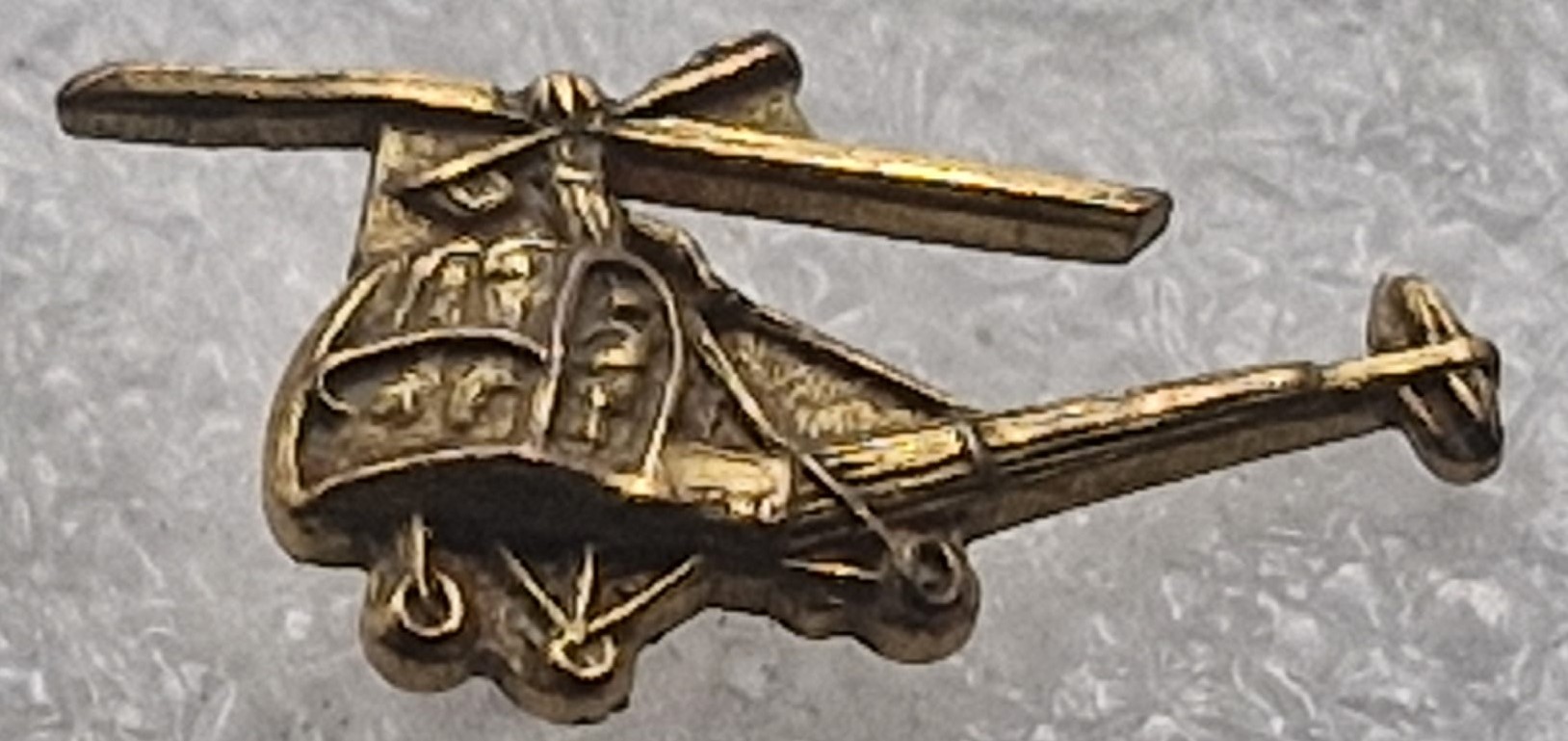
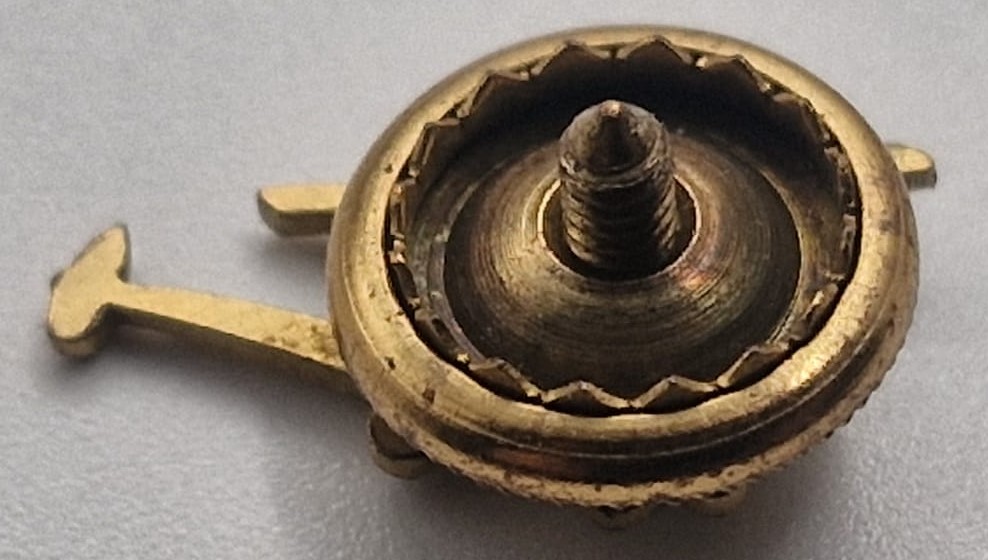
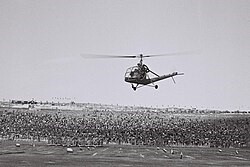
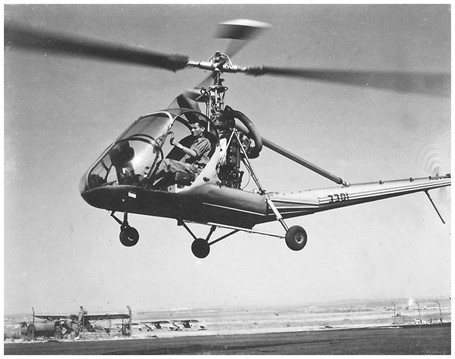
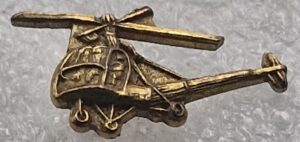
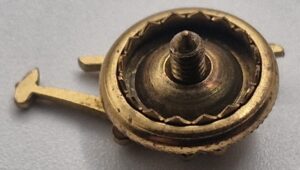
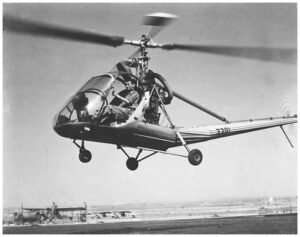
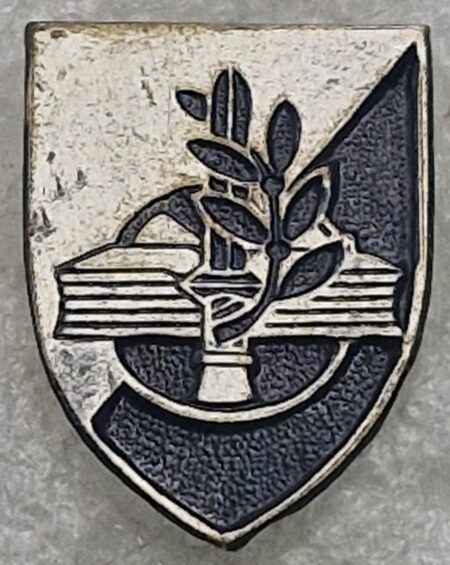
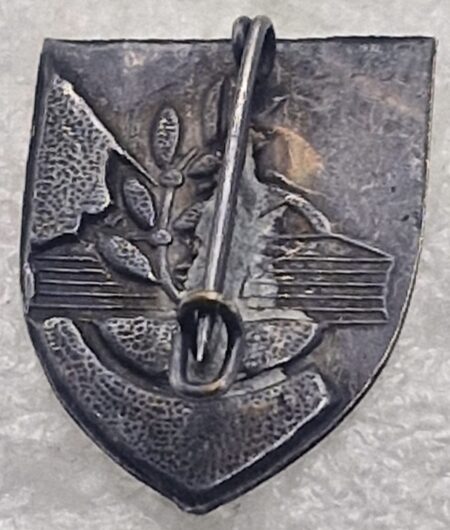
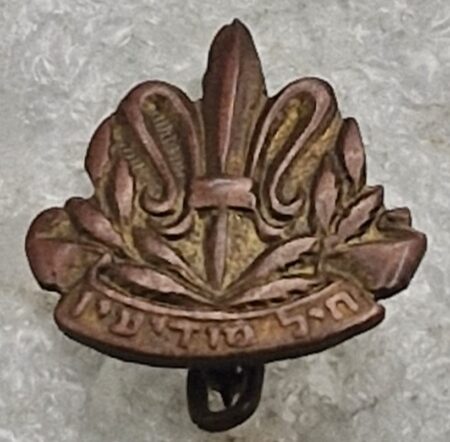
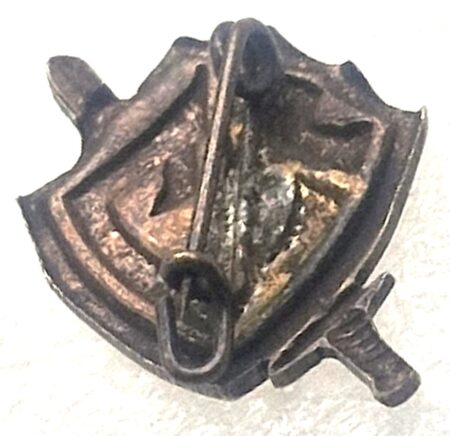
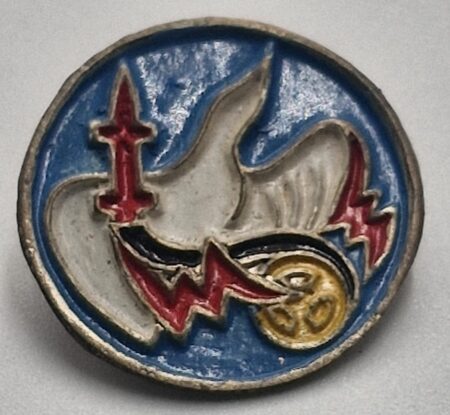
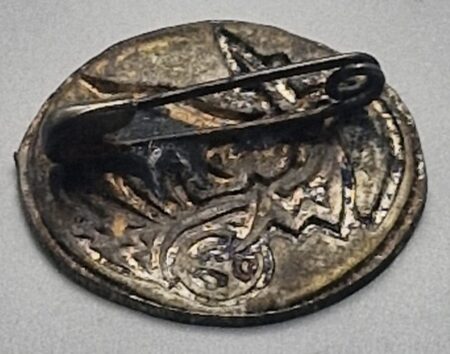
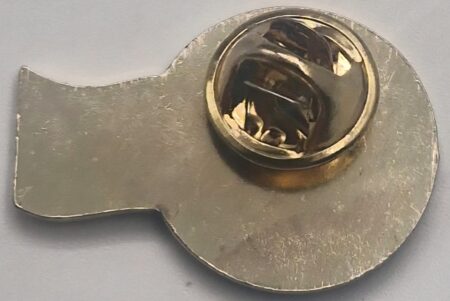
Aircraft Hiller 360 The first helicopter in the Air Force 1951-1958 IAF 1st Helicopter extrimely rare
$100.00
Despite the arms embargo imposed by the United States government on the supply of combat equipment to the Middle East, in light of the Israeli government’s request to the US government for approval to purchase four Hiller 360 light helicopters, approval was received in December 1950. Since the deal was considered a civilian deal, the Israeli government succeeded in obtaining approval to purchase four helicopters of this model, a contract was signed between the Ministry of Defense and Western Helicopter Operations from Fresno, California, which was the Hiller company’s agent at the time.
Due to budgetary difficulties, only two helicopters were purchased, and these arrived in May 1951, disassembled in crates and in poor mechanical condition. The deal also included pilot Robert Newcomb and George Fore, who was a company mechanic, who trained the HA personnel for 3 months. The two helicopters were disassembled and packed in crates that arrived at Haifa port by ship in May 1951. Helicopter manufacturer number 104 was first assembled in Squadron 216 of the Air Maintenance Unit (IA 22) by a team of mechanics led by Ron Avital, and was marked with tail number 3301. The first helicopter assembled was one of the prototypes used in the development of the model, and was equipped with a control rod that was attached to the ceiling of the cockpit, a strange connection that was very burdensome for the pilots.
Captain Carol Zebedee (Zawecki) began his training in flying the helicopter on May 15, 1951, making 12 flights in it lasting 9 hours and five minutes, and also making its maiden flight on May 22, 1951. In early June, a light aircraft pilot named Eddie Drucker was transferred to Squadron 216, and after 8 hours of training, he was certified to fly the helicopter by Zebedee. In June 1951, Carol Drucker (the late Chaim Dor), who had completed an advanced mechanic course at the Technical School, was transferred to Squadron 216. He was instructed and certified by George Fore in maintaining the helicopter at squadron level, and was instructed by Zebedee in the duties of a flying mechanic. The second helicopter remained disassembled in boxes for about a year, until spare parts could be obtained. The first flight of this helicopter took place on February 24, 1952
The helicopters were stationed in the Flying Camel Squadron 100 in Ramla, under the command of Misha Kenner, a light aircraft squadron that then operated Oster Autocrat and Piper PA-18 Super Cub aircraft. On December 19, 1951, when Kibbutz Palmachim was cut off due to flooding, the Hiller helicopters flew supplies to the kibbutz. On February 6, 1953, the helicopter gained much publicity when a Coast Guard ship capsized off the coast of Nahariya in stormy weather. Two police officers on board managed to swim and climb onto a rock in the sea. The squadron commander, Aryeh Kaplan, and Uri Mor, the co-pilot, together rescued two police officers by using helicopters whose side doors were removed. An operation that was defined as the first helicopter rescue in the history of the Israeli Air Force. In April 1954, Helicopter 3301 participated in the filming of the film “Hill 24 Does Not Answer” while carrying a cameraman who took aerial photographs.
On one of the flights conducted on April 19, the helicopter flew too close to a hill and the tail rotor hit it and was destroyed. The helicopter was taken to the 22nd Air Force Base, decommissioned and used as a source of parts for the second helicopter. On July 17, 1954, Ludwig “Pepa” Koss flew the helicopter, with Ron Avital as the flight mechanic. They attempted to perform an autorotation exercise but without success, and the helicopter crashed. Its occupants were not injured, but the damage was severe and the helicopter was taken out of service. After helicopter 3302 crashed on December 8, 1956, the parts of helicopter 3301 were used to repair it at the Habedek Institute. What remained of helicopter 3301 was donated by the Air Force Industry to a kindergarten in Petah Tikva. After many years, it was located there and the Air Force Museum requested to transfer it to it.
Major (res.) Shimon Somekh, who served as the liaison officer between the Air Force Museum and the Air Force Headquarters, recounts:
I had countless meetings with the Petah Tikva Municipality, and with the kindergarten teacher, and the children who refused to part with the “Hanicopter”, and only after I promised them mountains and hills, and that I would bring them a completely new swing set in return, (which I did not deliver… unfortunately…) did they agree. After complicated coordination with the rescue team of the 22nd Airborne Division, (because there was no access with a heavy vehicle to the kindergarten complex…) I transferred it to Ben Ami from Herzliya. I made a deal with him to bring it to a full ground display condition for the Air Force Museum, in exchange for a few parts/accessories that he needed, and which were lying unused on the museum grounds anyway… I did not receive the management’s consent, and so the rare and original skeleton lay in Herzliya,
Until everyone got fed up, and it was transferred to a museum, and there, instead of being a complete and complete original exhibit, which could have been displayed as the first helicopter of the IAF, it became a neglected piece of junk. It hurts the heart.”
The story is not over and we will not finish it.
The Federal Aviation Administration (FAA) in the US has a Hiller UH-12A helicopter registered under registration number N68962 with manufacturer number 104!
How did the first helicopter of the IAF (which crashed, as we know) get its name?
The hypothesis is that when helicopter 3302 was repaired, a repair that was used at the Habedek Institute (now the Aircraft Factory of the Air Industry) on parts of helicopter 3301, the fuselage part of 3301 on which the Hiller identification plate with the manufacturer’s number 104 was riveted was also mounted on it, and when 3302 was sold to owners in the USA, and registered as a civilian helicopter there, it was identified as manufacturer’s number 104 and that is how it carries it to this day. We are trying to contact its current owners and complete the research.
In November 1956, the Air Force received two Sikorsky S-55 transport helicopters. These two helicopters, along with the only remaining Hiller 360, were transferred to Tel Nof base on November 10 and organized as a helicopter wing under the command of Uri Yarom.
During Operation Kadesh, the helicopter participated in isolated liaison and transport sorties. Shortly after the operation, on December 8 1956,
The helicopter was badly damaged during landing and takeoff. Although the helicopter remained part of the helicopter fleet, it was clear that the Air Force needed larger helicopters and that the Hiller 360 was no longer needed. With the acquisition of Sikorsky S-58 helicopters in 1958 and the establishment of the 124th Squadron (“The Revolving Sword”), the first helicopter squadron, it was decided to retire the helicopter. In the 1960s, the helicopter was sold to a private customer in the United States.
With the end of the Six-Day War and the takeover of the oil fields at Abu Rhodes, a Hiller UH-12E4 helicopter was found in place, a larger and more advanced model than the one operated by the Air Force in the 1950s. The helicopter was equipped with landing floats and served the employees of the Italian oil company that operated the drilling platform. The helicopter was taken as a spoil and received the historical number 3302 in the Air Force.
The helicopter was not easy to maintain, due to its uniqueness, and therefore it was transferred to the Oil Routes Company in 1972 under a civilian tail number. After the signing of the peace agreement with Egypt, the helicopter was returned to Egypt.]
Even after the end of the operation of the Oil Routes Company, Hiller 360 helicopters were operated by the Marom Company (an aviation company). The company operated three helicopters in the early 1980s for aerial spraying missions, light transport, missions in the service of the Israel Police, and more
Length: 15 cm | Width: 9 cm
Weight: 2 kg


Reviews
There are no reviews yet.