
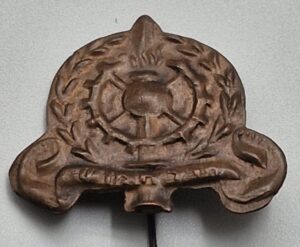
| Weight | 5 kg |
|---|---|
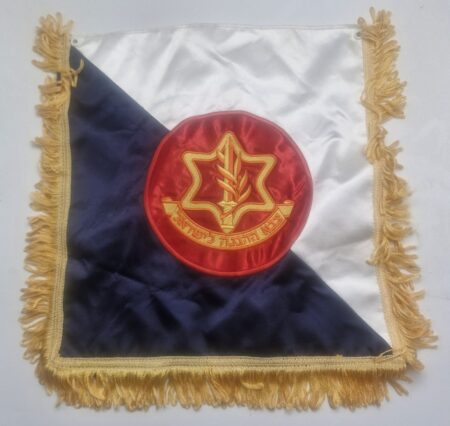
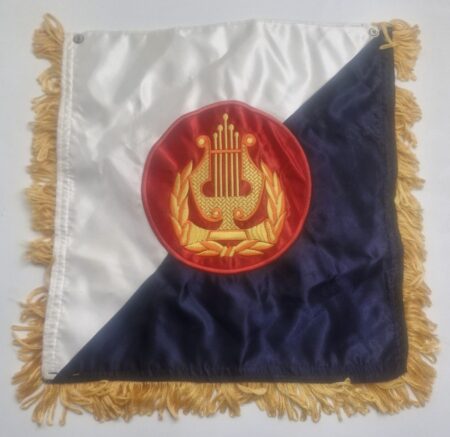
| Dimensions | 145 × 63 cm |


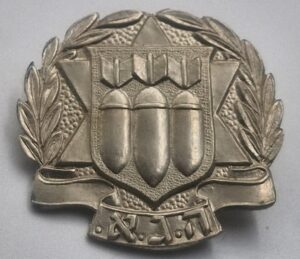
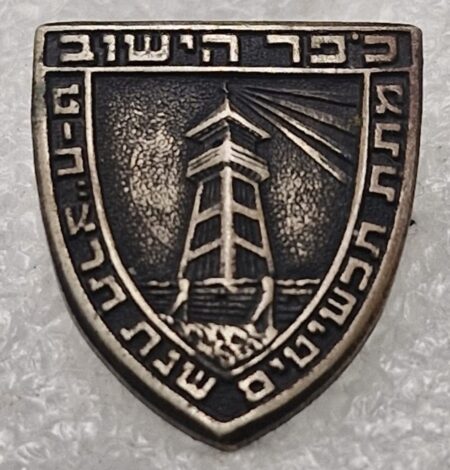
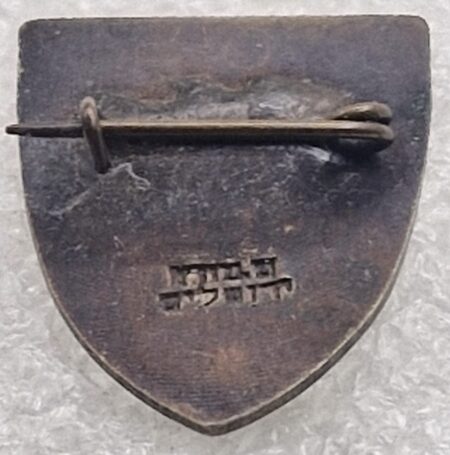
Haga Civil Defence (ARP)
$150.00
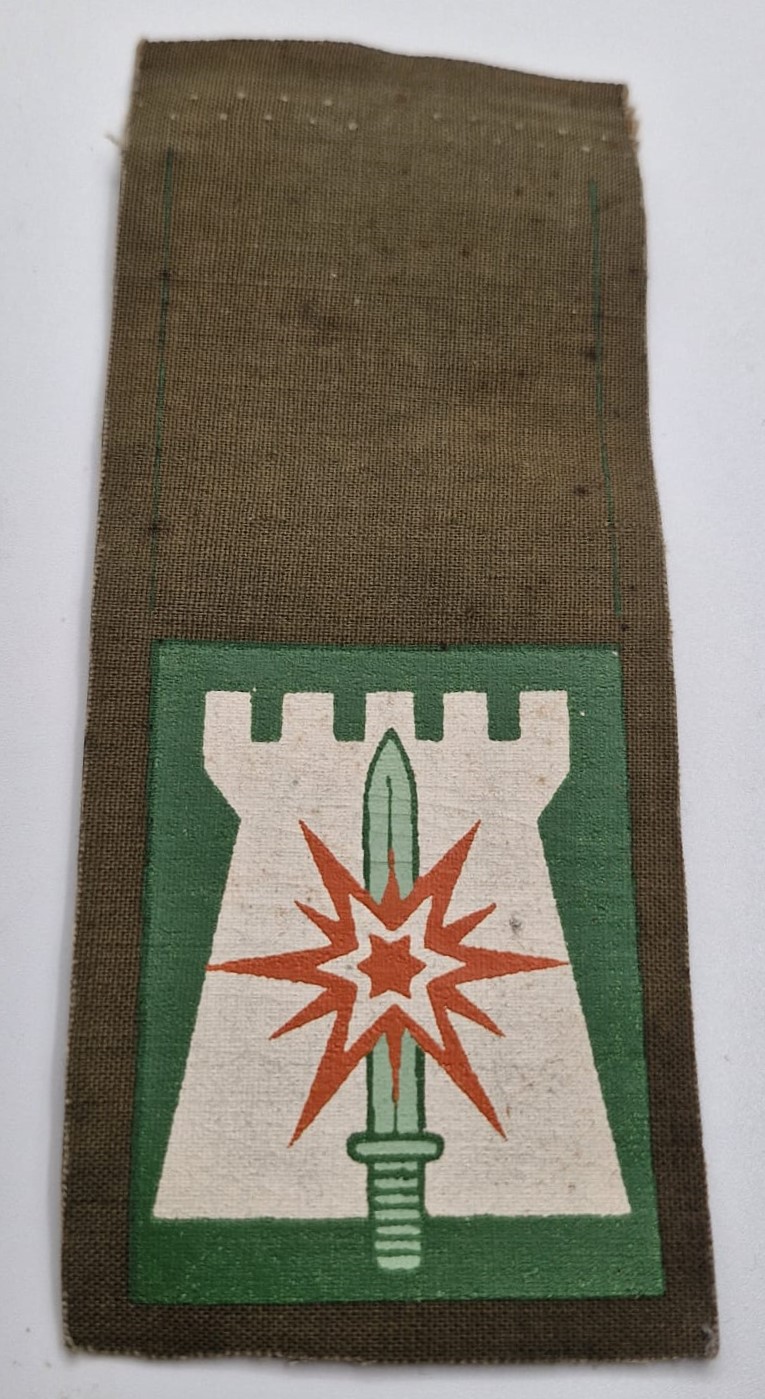
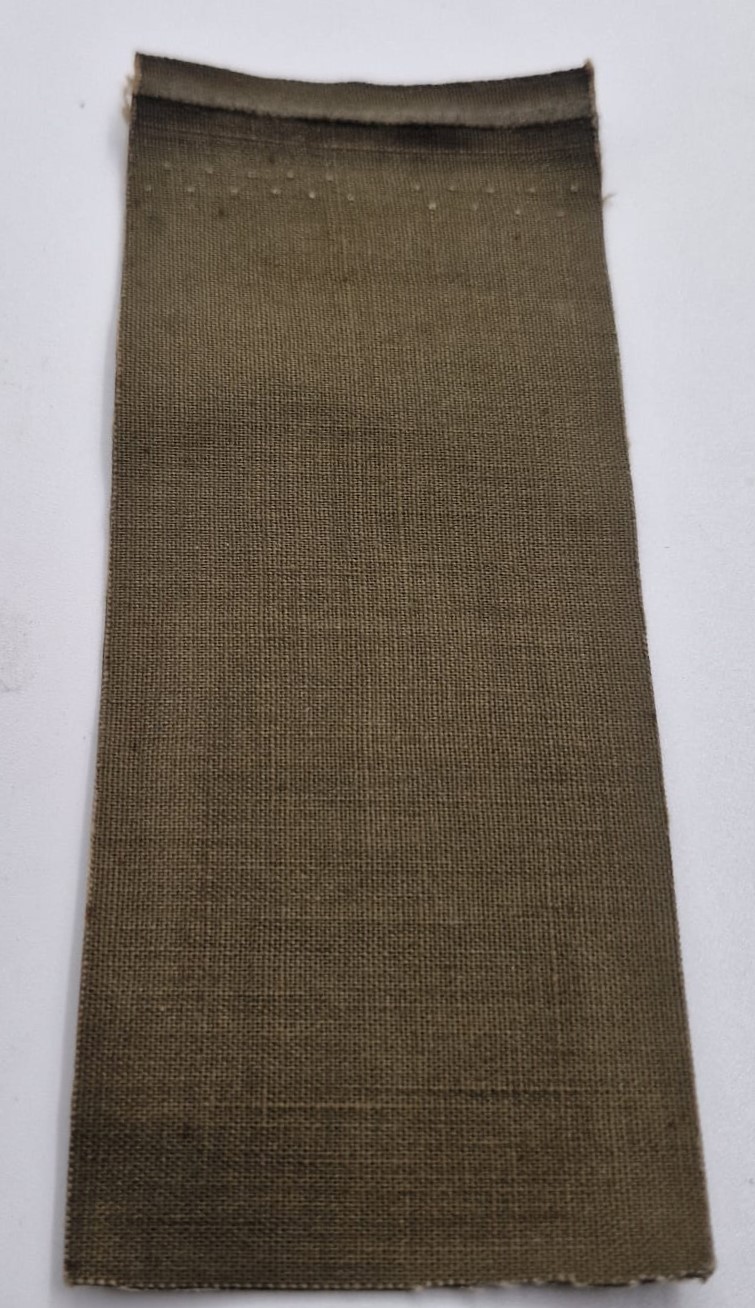
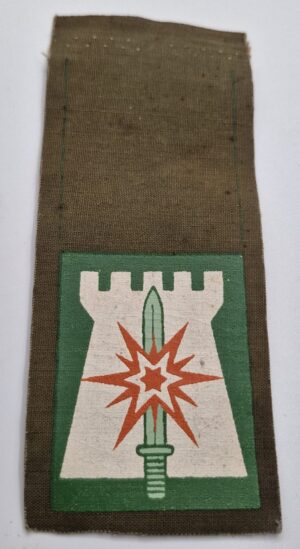
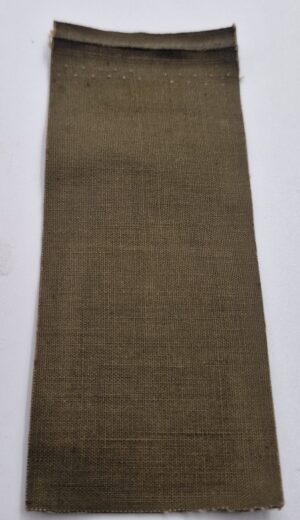
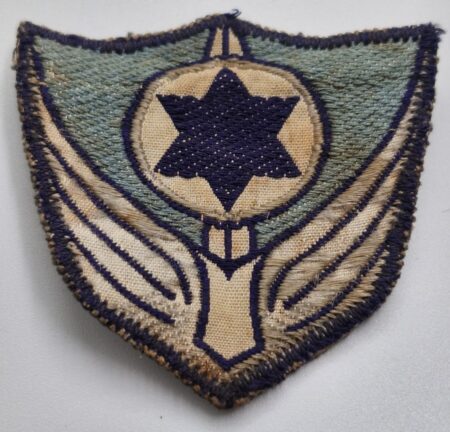
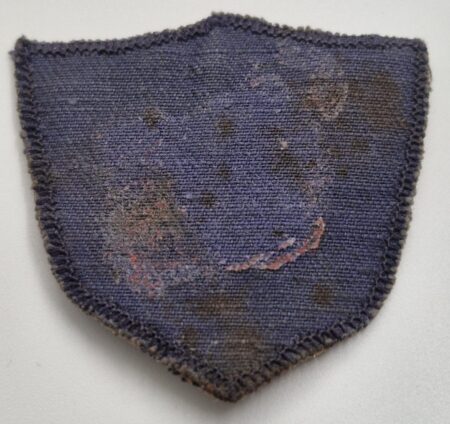
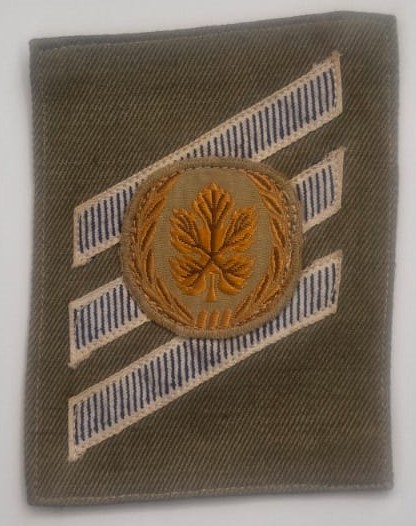
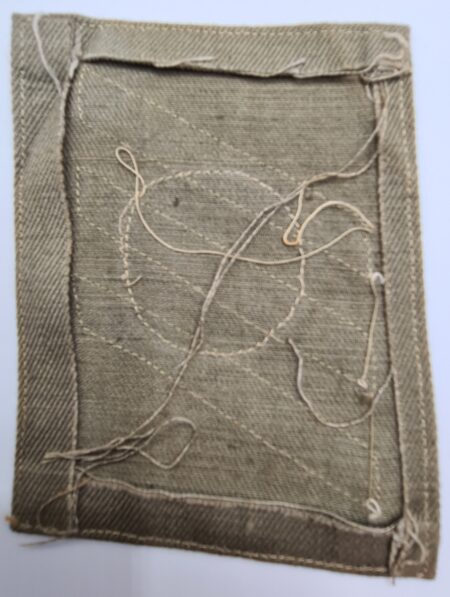
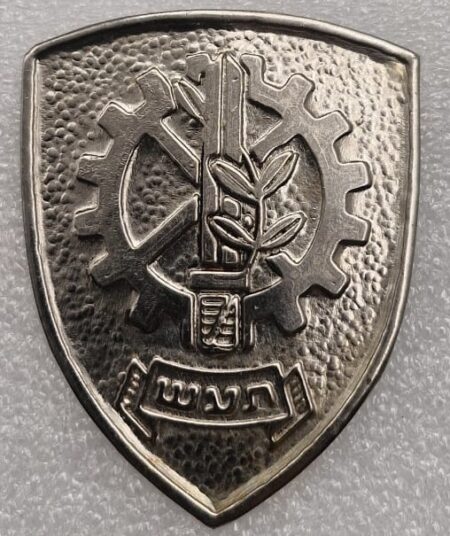
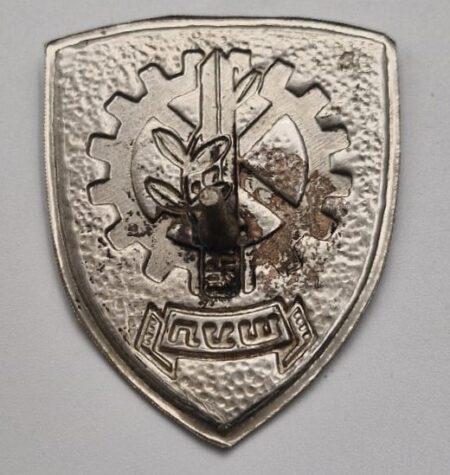
Combat Engineering First Badge 1948 Canvas Badge Perfect Summer extereme rare
$900.00
https://en.wikipedia.org/wiki/Israeli_Combat_Engineering_Corps
The Engineering Corps was established in 1947 by Emanuel Shahar, its first commander, on the basis of the engineering, construction and sabotage forces of the Haganah and the volunteers of the Jewish settlement from Israel to the British Army: with the outbreak of World War II, many of them turned to volunteer for the war effort and the British Mandate government was pleased to join them. Many of them were directed to the “Auxiliary Army for the Pioneer Corps”, which was later called: “The Excavators Corps”. They performed all the work required to assist the fighting units, including: digging fortifications, paving roads, laying railways, unloading and loading weapons and equipment, and more. To this day, the regular battalion numbers of the Engineering Corps correspond to the numbers of the excavation companies: the Assaf Battalion retains the excavation company number 601, the Lahav Battalion bears the number 603, and the Qeshetz Battalion bears the number 605. Jews from the settlement served in the war in additional engineering units:
- 738th Engineering Company, which operated from mid-June 1940, after the British Royal Engineers Headquarters decided to concentrate in special Palestine units the volunteers for service with technical professions, who were scattered in the British engineering units in the Middle East.
- 870th Engineering Company, which was established in July 1941 and its purpose was to operate mechanical engineering equipment.
- 743rd Engineering Company, which was established in September 1941, initially dealt mainly with camp construction tasks, but was later activated in combat engineering tasks.
- Companies: 544, 739, and 744.
- 1st HaSua Company.
- • Field Engineering Company 643 – which was the engineering unit of the Jewish Brigade, which, among other things, was the one that examined the possibilities of bridging the Seine River. They were the ones who located the appropriate place to place the temporary bridge at the crossing point, dealt with clearing the mines that the Germans had placed in the crossing area and along the road that ascended the ridges north of the river. They later built the bridge over the Po (river) and continued to do so until near Victory Day. After the fighting ended, they arrived in Holland and placed Billy bridges over the Rhine.
- Bomb Disposal Unit – was established in the summer of 1940 and opened to volunteers from the Excavation Corps. It operated mainly in the Alexandria and Suez Canal areas.
During the War of Independence, the Corps was divided into two services: the “Engineering Service” responsible for combat engineering (sabotage, mining, road-breaking, camouflage) and the “Accommodation Service” responsible for building camps, outposts, and infrastructure. At the end of the war, the two services were united.
In the war itself, the Engineering Corps played an important role: it blew up bridges on the Jordan River and in the south of the country, thereby helping to halt the advance of the Arab Legion and the Egyptian army into the center of the country. In addition, the Engineering Corps played an important part in the campaign for Jerusalem, when it broke through the Burma Road, through which aid was delivered to the besieged. This event is commemorated in the “Road of Valor” monument near the Hulda Forest.
Length: 145 cm | Width: 63 cm
Weight: 5 kg


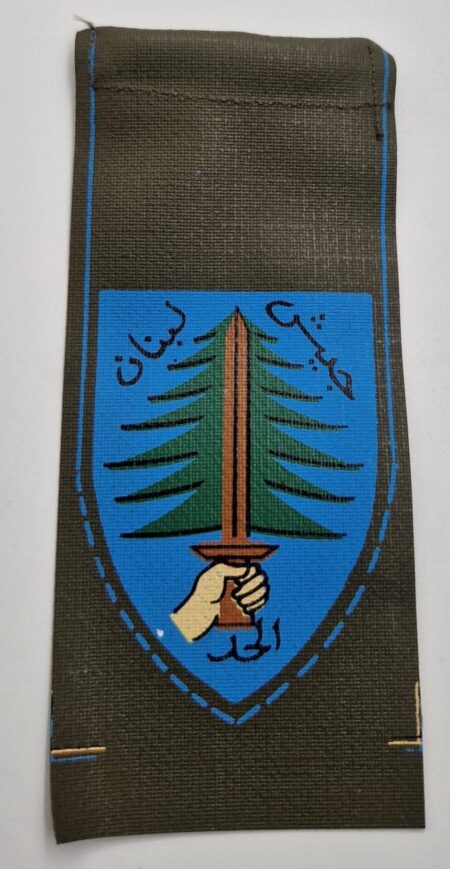
Reviews
There are no reviews yet.