
| Weight | 1 kg |
|---|---|
| Dimensions | 20 × 16 cm |


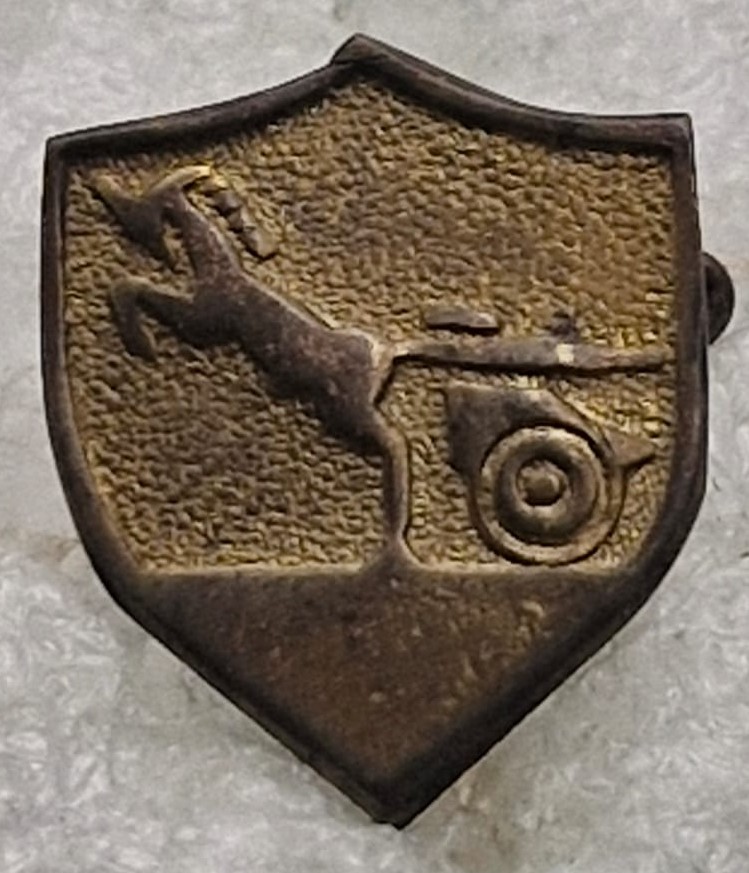
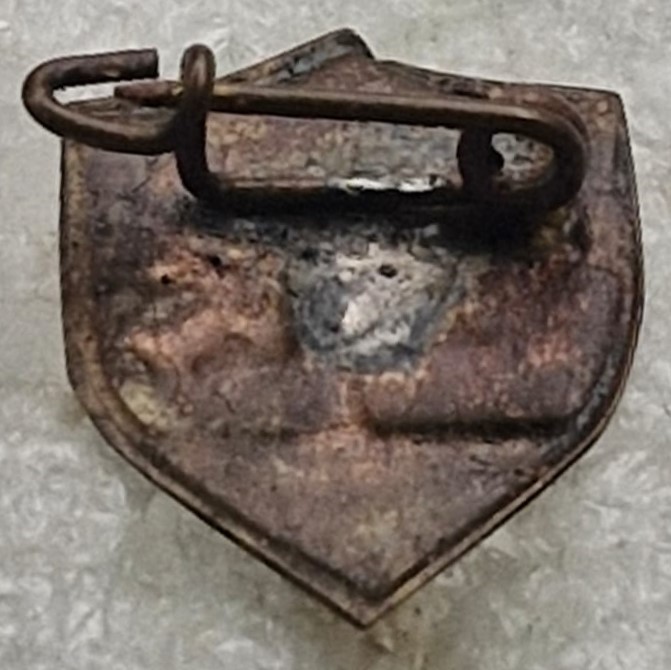
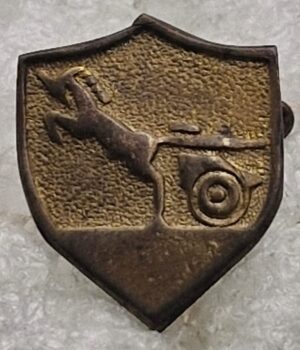
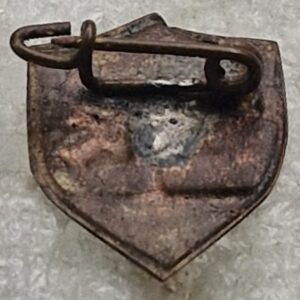
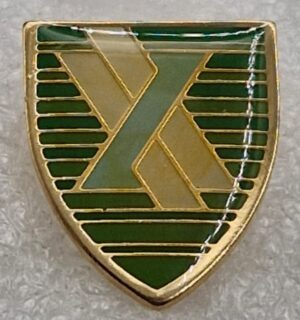
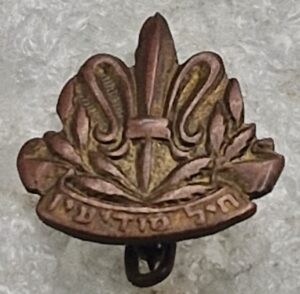
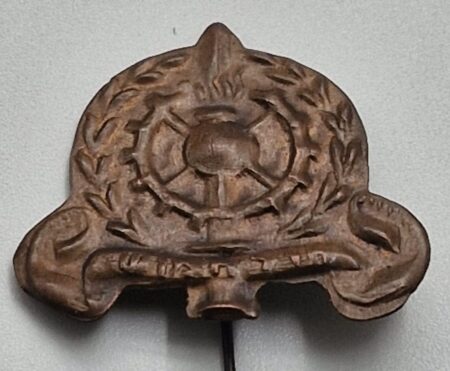
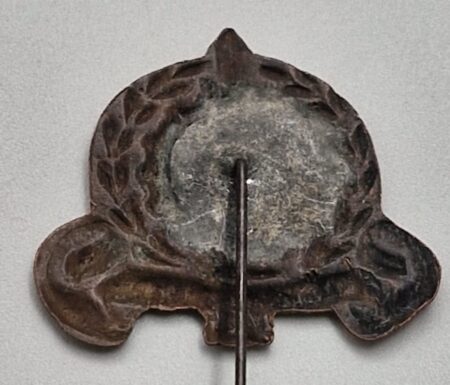
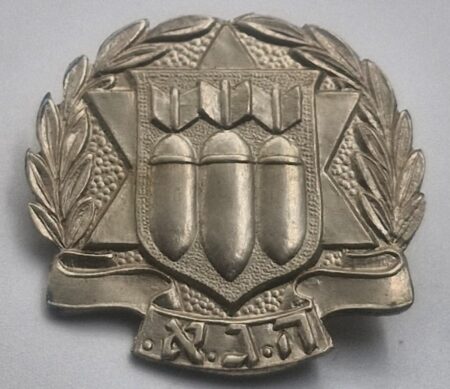
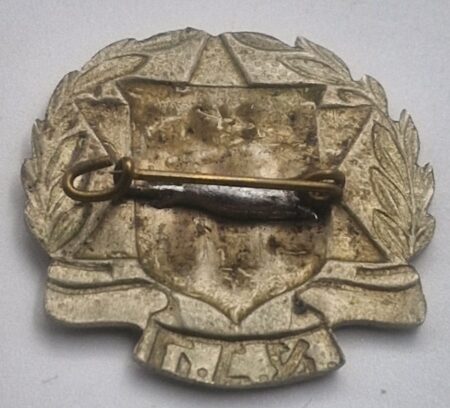
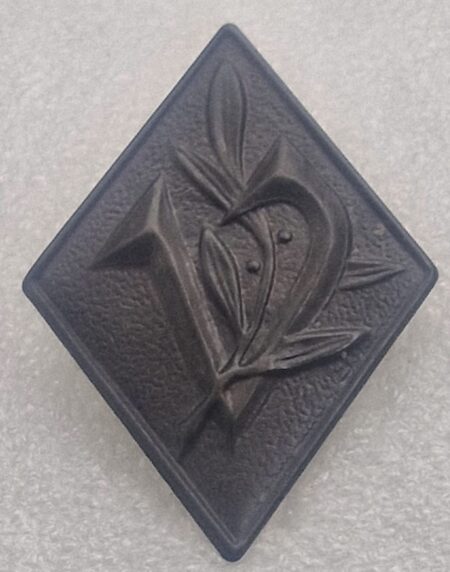
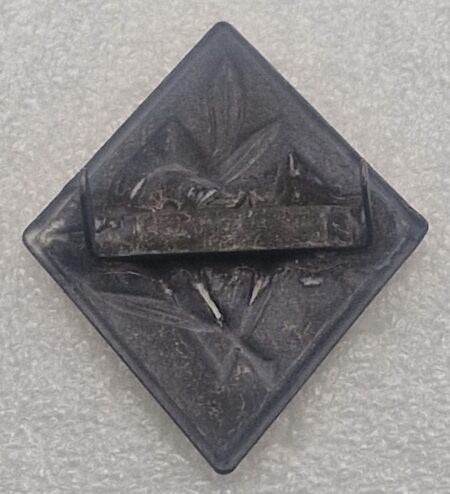
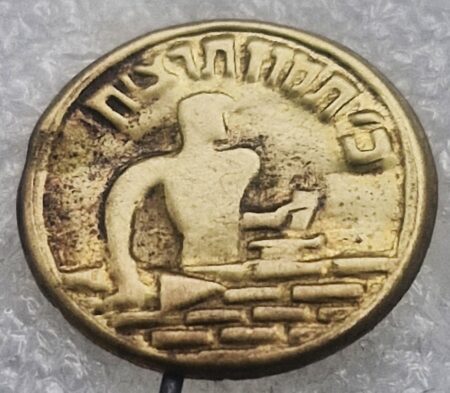
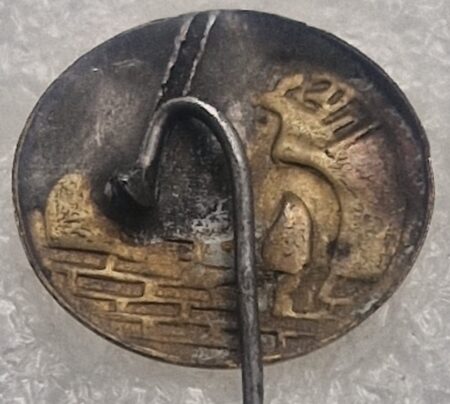
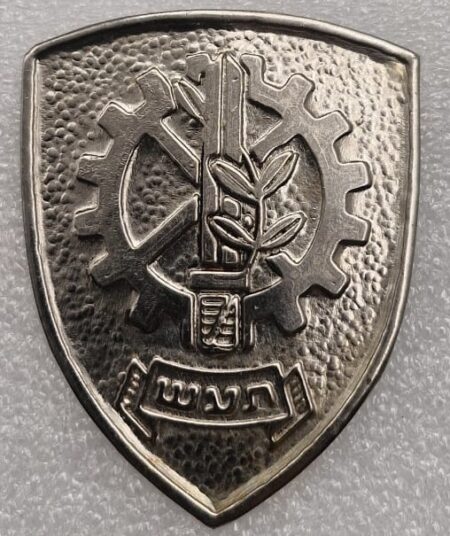
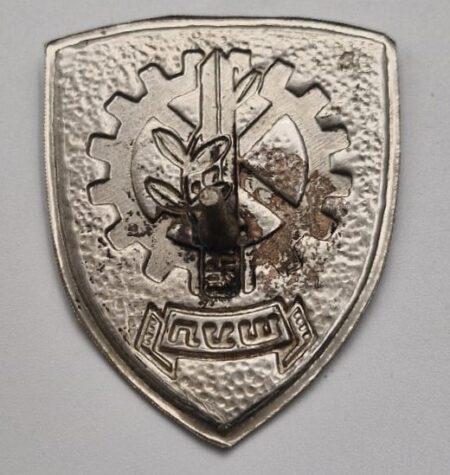
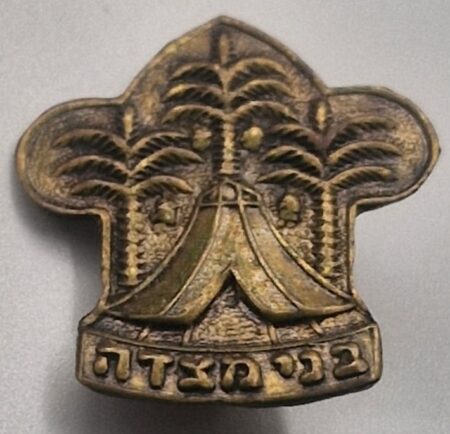
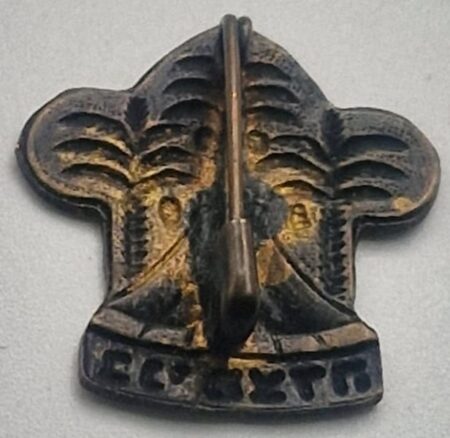
Logistics Transport Force Pin 1950s
$50.00
The roots of the Transport Corps lie in transport units that preceded it and operated in various frameworks. One of these units is the First Hebrew Transport Force – the Mule Drivers Battalion under the command of Joseph Trumpeldor, which operated in the Gallipoli Campaign during World War I. After the end of the Gallipoli Campaign, since the British refused to transfer it to another front, the battalion was disbanded on May 26, 1916. 120 of its soldiers re-enlisted, arrived in London and formed the basis for the 38th Battalion of the King’s Rifles, which was established in 1917 and participated in the conquest of Israel from the Turks.
In January 1948, the IDF Mule Driver Battalion was established, which operated pack animals for transportation. The battalion was established as a transportation service of the Stores Division (AGA) for mountainous areas, and operated mules, horses, camels, and donkeys. Its first commander was veterinarian Haim Appelbaum. During the War of Independence, the battalion participated in many operations on all fronts, including the Ten Days’ Battles and convoys through Burma to Jerusalem. During the war, it was expanded into a transportation battalion, and in October 1948, the dog service and the veterinary service were attached to it. At its peak, it numbered about 300 soldiers and about 200 mules. The battalion was disbanded in 1949, and the mules were used as a mounted transportation company of the Supply Corps. The company operated until Operation Kadesh (1956), and was disbanded shortly after.
During the War of Independence, the IDF’s first transport company was established.
The company was located in the “Ben Ami” camp, which at the time was on Elrozorov Street in Tel Aviv. The conditions were not easy: the vehicles in the unit’s possession were old, uncomfortable, and suffered from repeated technical failures. These difficulties meant that the drivers at the time required strong willpower and commitment to the mission in order to succeed in meeting their goals despite the technical difficulties.
Length: 20 cm | Width: 16 cm
Weight: 1 kg


Reviews
There are no reviews yet.