

| Weight | 2 kg |
|---|---|
| Dimensions | 22 × 22 cm |


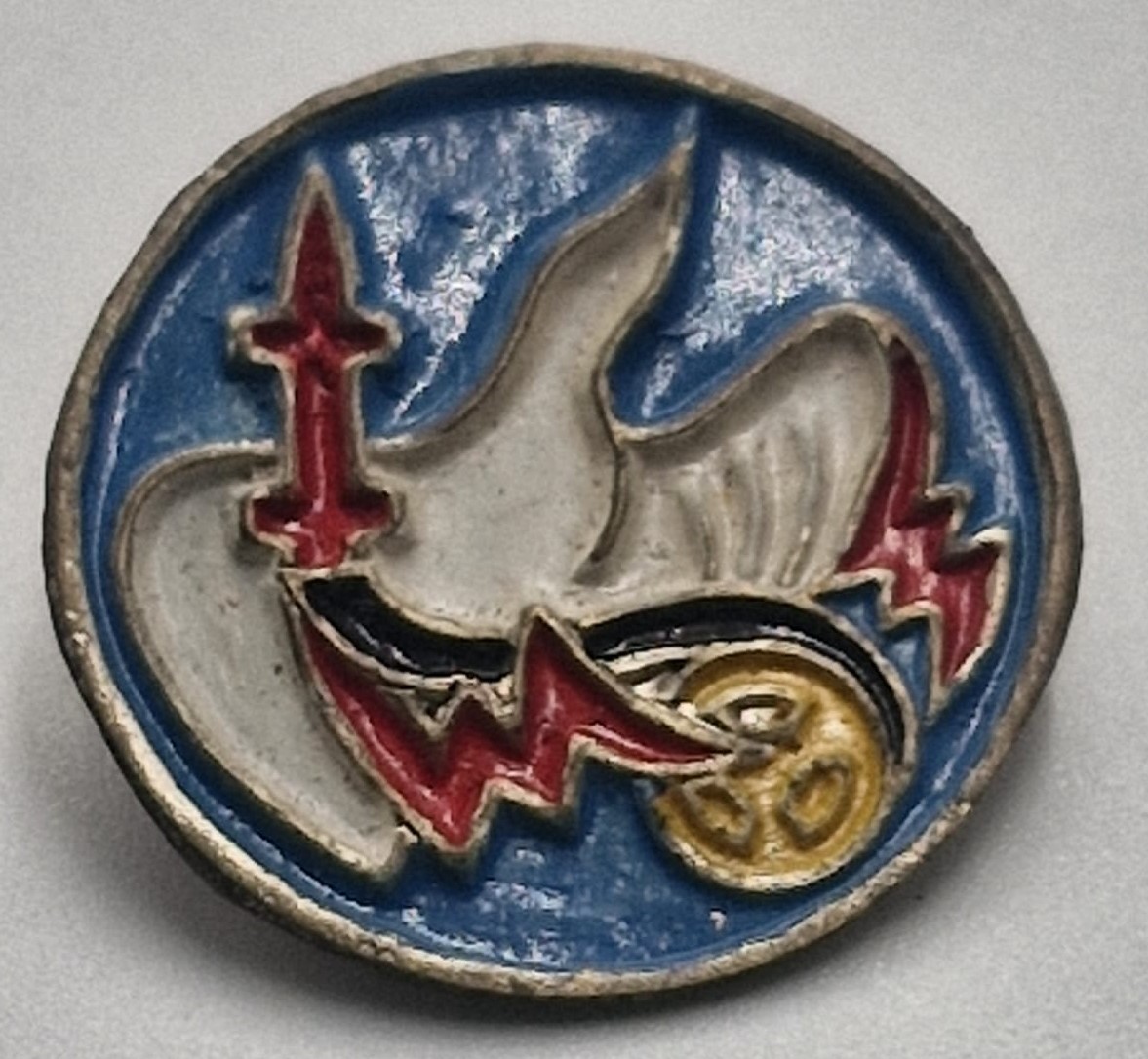
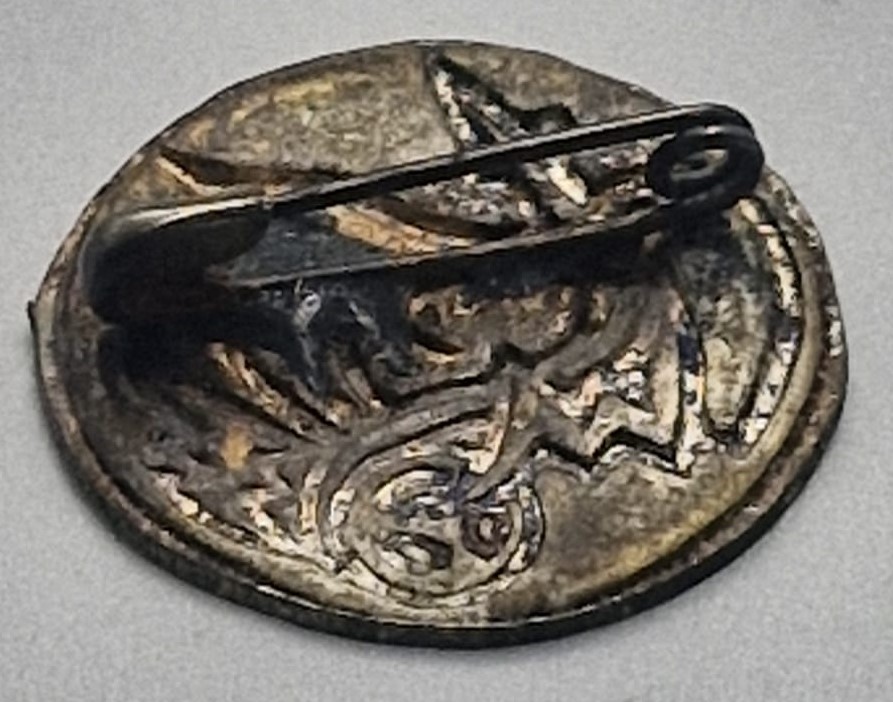
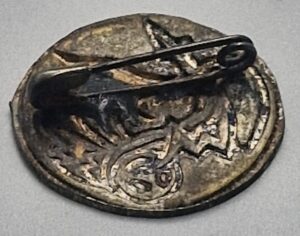
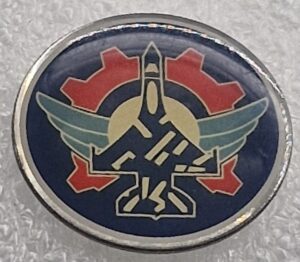
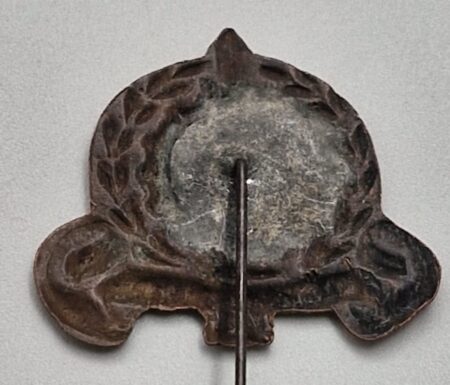
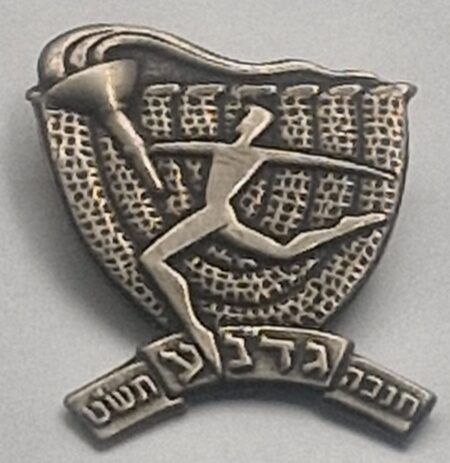
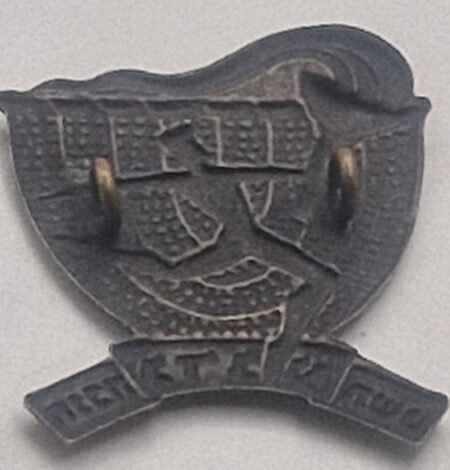
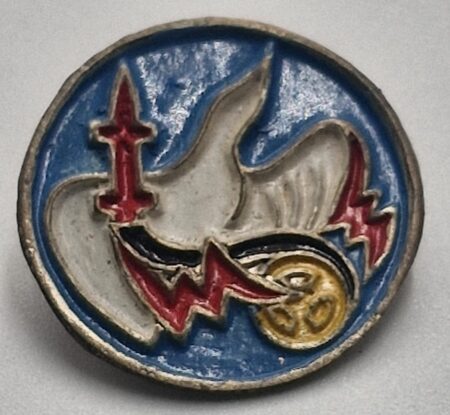
ntelligence Unit 5708 Target Acquisition and Marking Closed in 2016
$90.00
The shroud of secrecy surrounding its activities means that it is almost impossible to talk about the ASM unit. The unit’s personnel undergo extensive training, work hard around the clock collecting and producing intelligence, and mostly talk about a small unit that does a lot of work and makes little noise.
The activity of one of the most important and busiest units in the Air Force and undoubtedly one of the least famous among them.
The unit’s mission is focused on providing a response to the Air Force’s first two missions: protecting the country’s skies and achieving air superiority. The unit provides the Air Force with the intelligence required to carry out these two missions.
ASM 5708 – Airborne Intelligence Unit The unit was established on February 15, 1977, as part of the lessons of the Yom Kippur War, when the need arose to establish a body in the Air Force capable of producing aerial intelligence independently and without dependence on other entities. “The unit’s mission is focused on providing a response to the Air Force’s first two missions: protecting the country’s skies and achieving air superiority,” says Lt. Col. Yanki, the unit’s former commander. “The unit provides the Air Force with the intelligence required to carry out these two missions.”
And at the end of 1980, Air Force representatives were transferred from the bases of the Central Collection Unit of the Military Intelligence Directorate to the Military Intelligence Directorate. In June 1991, the unit was subordinated commandarily to the 27th Air Force Base (where it had been located since its establishment) and professionally to the head of the Intelligence Directorate. The unit dealt with electronic signals intelligence (SIGINT) by operating “ELINT” systems that were installed in Boeing 707 aircraft and were called “Barbor” in the Air Force. These systems locate and identify radars (including anti-aircraft batteries and other anti-aircraft systems). The unit also dealt with operating NHAIM (Air Force representatives) in Boeing 707 aircraft called “Topaz”.
“Which were SIGINT aircraft of the Intelligence Directorate – the aircraft platforms were maintained and flown by the Air Force, but the systems within them were operated by an Intelligence Directorate unit and Unit 8200 bases. Both types of aircraft were operated by the 27th Airborne Division. (The unit was closed in 2016)
The unit is spread throughout the country and includes several main units: Sectoral units are responsible for collecting and processing intelligence in the various sectors. The airborne units are located in the center and carry out intelligence collection missions in the Comet aircraft (Gulfstream G-5)
The last unit is the unit responsible for processing the information. The difference between the units is reflected in the type of intelligence they deal with, the platforms they use and the arenas for which they are responsible.”
The airborne units know how to operate a variety of systems and work with a variety of arenas
The ASM unit, one of the central intelligence units in the Air Force, regularly accompanies the two main missions of the force: air superiority and the protection of the country’s skies. “In the field of protecting the country’s skies, we are on guard 24 hours a day, seven days a week.
If the IBA (Area Control Unit) looks with its radars to a certain distance, we look a little further ahead and give advance warning. The IBA will also be able to see an approaching plane, but I will be able to tell what its intentions are: Is it a passenger plane about to land at Ben Gurion Airport? Is it a hijacked plane? Is the fighter plane about to cross the border to attack or did it make a mistake on its way? That is our true greatness,”
When we talk about air superiority, we mean two things: anti-aircraft batteries and enemy aircraft. In cases where Air Force aircraft are in enemy territory, the unit’s role is not only to warn in advance of the presence of a threat, but also to provide the location of the threat, information about its mode of operation, and to enable the control room to decide what to do in response to such a threat: whether to attack the battery, shoot down the aircraft, move away from the area, or take the risk.
“In addition, the unit accompanies every operational activity that is launched in all branches of the IDF, not just the Air Force.” If, for example, a Navy ship embarks on an operational activity, we will provide it with the intelligence, which is within our sphere of responsibility, to enable the execution of its mission.
Length: 22 cm | Width: 22 cm
Weight: 2 kg






Reviews
There are no reviews yet.