
| Weight | 4 kg |
|---|---|
| Dimensions | 65 × 32 cm |


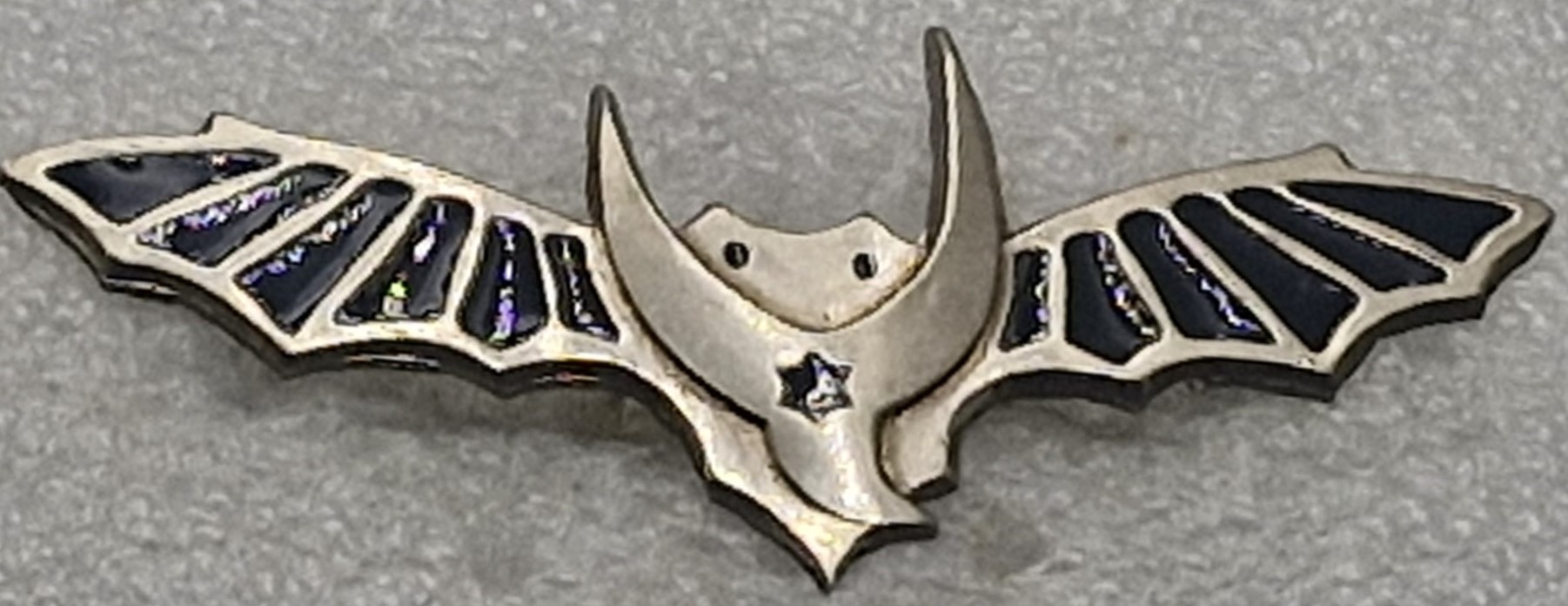
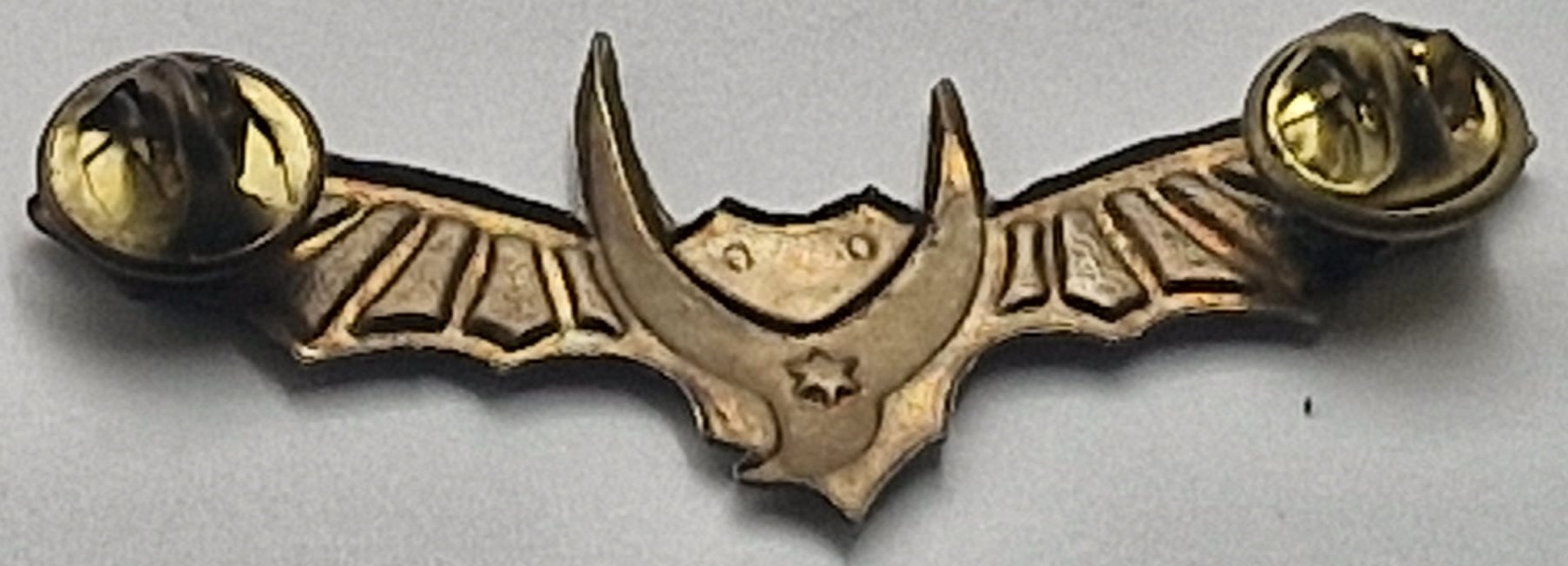
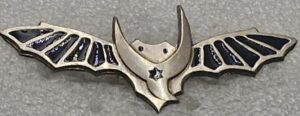
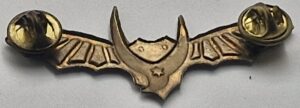
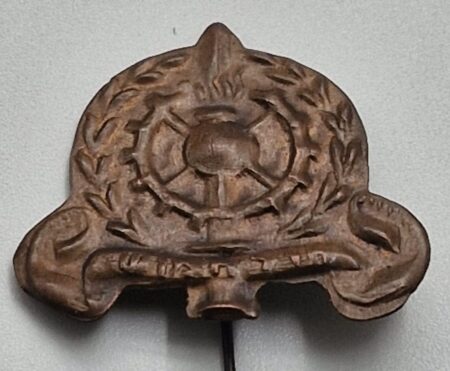
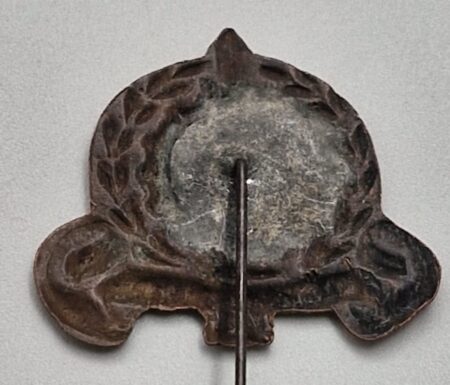
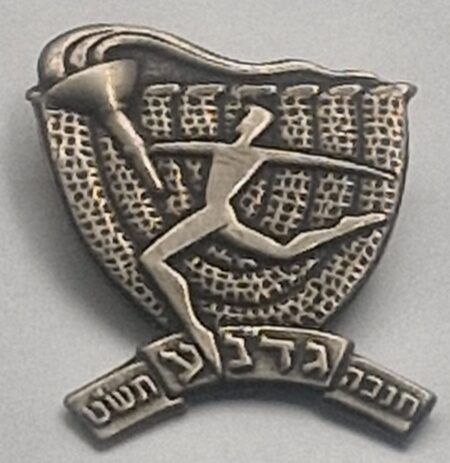
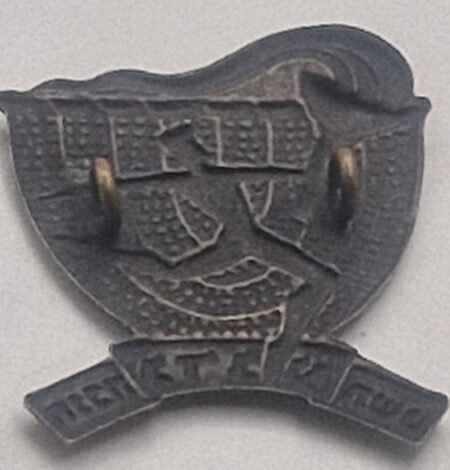
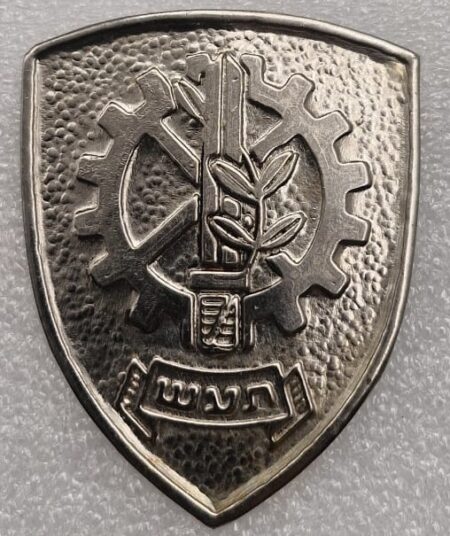
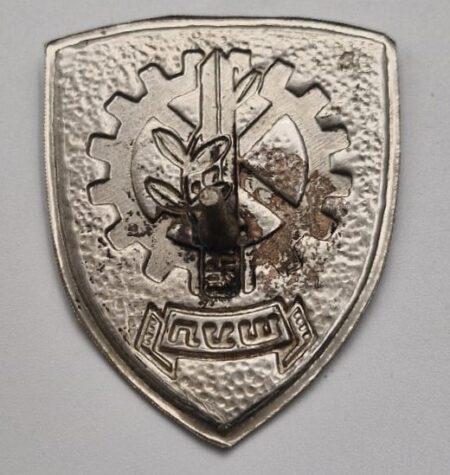
The Air Defense Unit 7298, a parachuted anti-aircraft unit, an elite unit from Magellan that operated Stinger missiles, wore a red beret and a fire brigade unit badge, belonged to the 168th Anti-aircraft Unit, operated from 1985-2014.
$10.00
The 7298th Paratroopers Unit (Paratroopers Unit) was an elite unit in the IDF, specializing in the operation of mobile anti-aircraft (anti-aircraft) means beyond enemy lines.
The unit was founded in 1985 and operated until its closure in 2014.[1]
Unit structure
The unit contained three parts: a regular core under the command of a company commander who was stationed at Camp Sirkin for most of the unit’s existence, who was tasked with maintaining the readiness of the weapons and planning training. Another part was a team that was recruited to the Maglan unit and would come to the unit once a month to maintain readiness. In addition, there were the unit’s reserve forces that formed two batteries
Selection and acceptance into the unit
The unit’s fighters were first assigned to the Magellan unit, and after the first part of the course, which included basic training in the 35th Paratroopers’ Battalion (Paratroopers’ Battalion), the fighters joined the unit on a beret tour. At the end of the course, the soldiers received the red beret. From here, the soldiers’ training as Magellan fighters began – they performed training series that dealt with a variety of areas that prepared them for operational warfare. After this stage, the soldiers went to the Company Commanders’ Course at the Company Commanders’ School. After the Company Commanders’ Course, the final part of the course dealt with specialized content according to the team’s fields of expertise. This stage was characterized by intensive activity that concentrated most of the areas that the soldier had learned during his service so far, in addition to the team’s specific designation, with one of the designations being the operation of mobile anti-aircraft means beyond enemy lines for air defense in minimal time for deep units such asSayeret Matkal, Shaldag Unit and Shayetet 13, and therefore the team with this designation is sent to anti-aircraft training in the BISNM, and hence this team of the Magellan Unit splits into a separate unit: the YNMM. Finally, the fighters undergo a final training course, at the end of which a ceremony is held in which they are awarded the unit’s fighter pin.[3]
The unit’s fighters, like fighters from other special units, wore red berets and belonged organizationally to the anti-aircraft system under Egged 167 and then under Egged 168, but the actual command subordination was under Division 98.
History
In June 2005, the YNMM received a unit certificate of excellence from President Moshe Katsav “for its great work in the past year within the framework of operational activity in the territories and many other achievements.”
The unit was closed in 2014 due to the closure of the entire Stinger system in the Air Force, and due to concerns that if the unit were transferred to the 98th Division Command, the unit’s weapons would be mistakenly directed at Air Force aircraft, in the absence of an appropriate command and control center.[1]
Weapons
The unit’s main weapon was the FIM-92 Stinger (Barkan) and the unit’s equipment included special weapons and classified equipment.
The unit’s fighters were equipped with personal weapons such as the M4A1 Flat-Top rifle, Galilon, Negev and Mag machine guns and special sniper rifles, including the SR-25.
FIM-92 Stinger (Barkan) launcher
M4A1 Flat-Top
The unit’s fighter emblem
The emblem is a combination of the bat wings that represent the anti-aircraft system since its establishment, combined with the “fire formation” emblem that is Division 98, decorated with a Star of David.
The 7298th Paratrooper Unit (Paratrooper Unit) was an elite unit in the IDF, which specialized in operating mobile anti-aircraft (anti-aircraft) means beyond enemy lines.
The unit was founded in 1985 and operated until its closure in 2014.
Length: 65 cm | Width: 32 cm
Weight: 4 kg


Reviews
There are no reviews yet.