
| Weight | 3 kg |
|---|---|
| Dimensions | 33 × 15 cm |


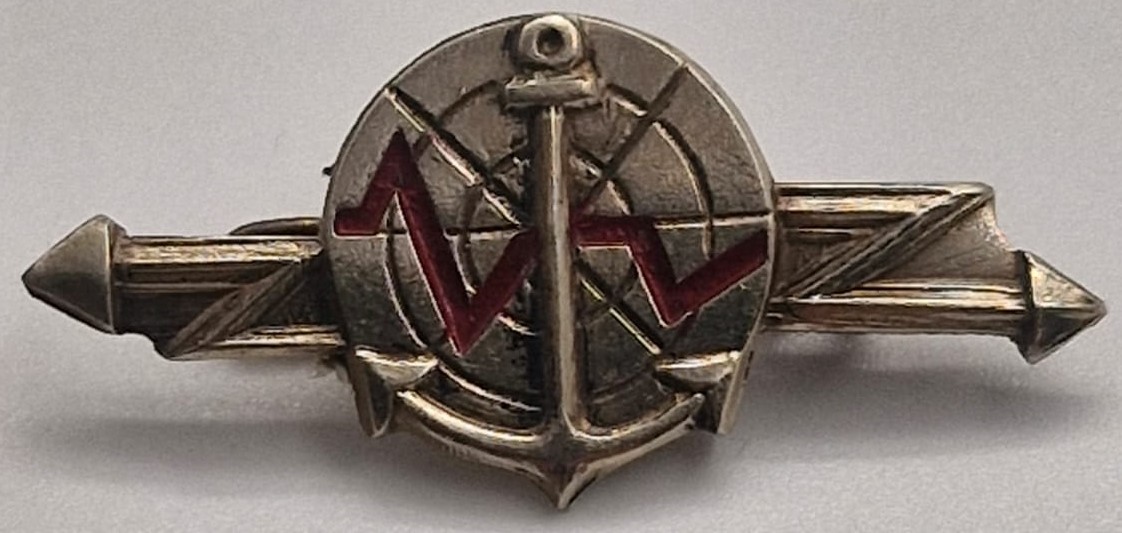
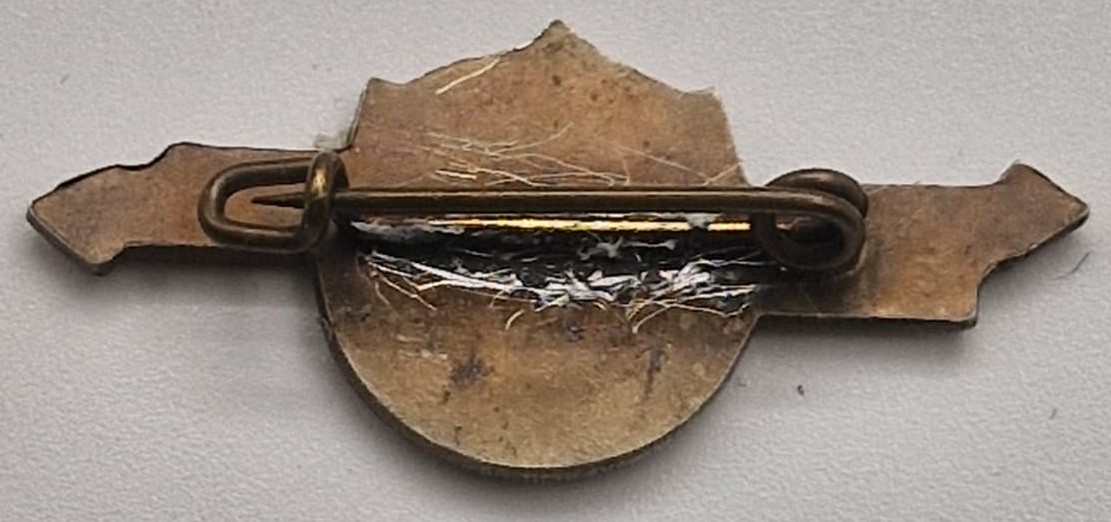


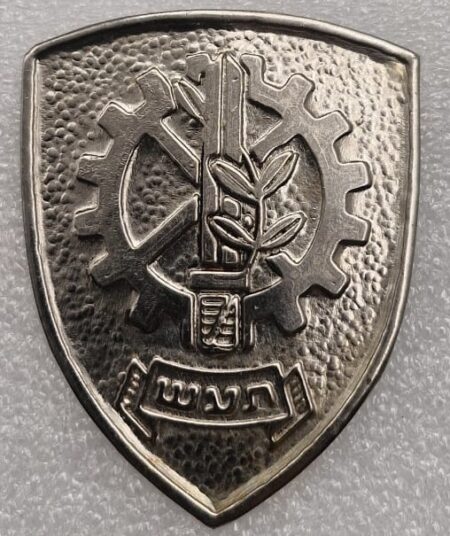
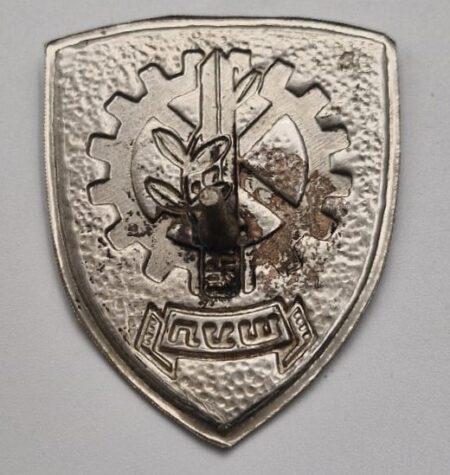
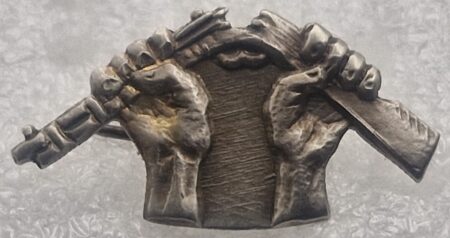
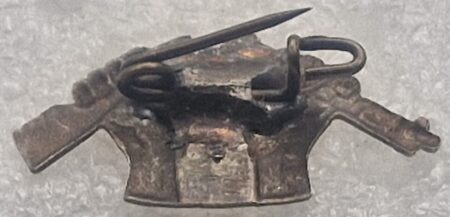
YACAG – Communications and Reconnaissance Unit 1964/5 – 1990s
$17.00
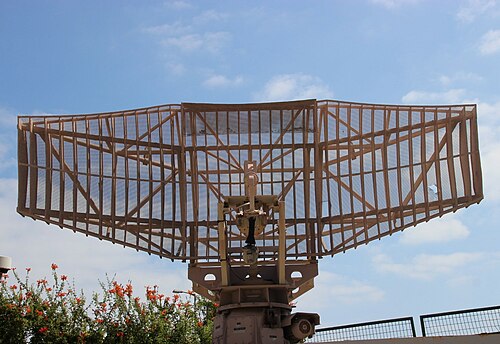
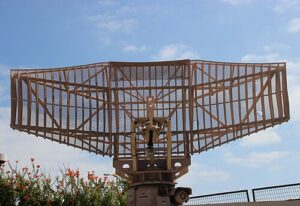
- The Communications and Detection Unit (CDU) is the unit responsible for communications, radar, and detection systems in the maritime arena. In the past, this unit was a central part of building the maritime picture and controlling forces at sea. It is responsible for managing the detection systems (radars and other means) and for communication between vessels and shore commands.
- The unit: The CDU was the headquarters and execution unit of the Navy responsible for all detection systems (radars), communications, and control. It served as the “eyes and ears” of the force.
- In the late 1960s and early 1970s, the Communications and Detection Unit (CDU) played a critical role in the technological revolution that the Navy underwent – the transition from a fleet of slow destroyers to a fleet of fast and sophisticated missile ships (STLs).
- In those years, the unit was responsible for:
- Building the maritime picture: Operating the radar systems to identify enemy vessels from long distances. • Electronic Warfare (EW): Development and operation of systems to deceive enemy missiles (such as the Egyptian “Stix” missiles). This was a critical element in the victory in the Yom Kippur War.
- History and structure:
- The unit operates under the Navy and is critical to creating the operational naval picture.
- In 1975, the unit was first appointed a commander with the rank of lieutenant colonel (Lieutenant Colonel), which emphasized its growing importance in the naval command structure.
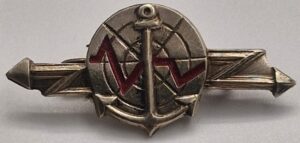
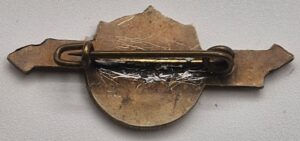
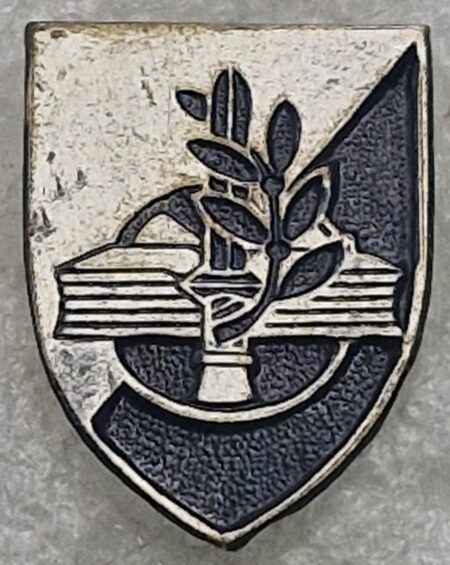
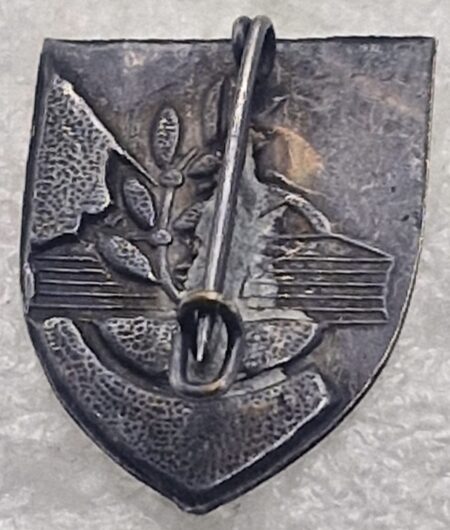
- The original YKG emblem was highly recognizable and included three characteristic motifs that symbolized the essence of the unit: • Anchor of affiliation to the Navy
- Antenna / mast in the center – communication systems
- Electronic wave line (in red enamel) against the background of the radar display – electronic detection / radar
- Use of the pin 1964-1965 until the early 1990s (when the Navy’s command and control system was reorganized and the unit changed its name and structure) and later became part of the Naval Command and Control Unit (MCU)
- As part of the Navy’s reorganization and unification of the operations and control functions, its name was changed to the Naval Command and Control Unit (MCU), which is part of the Naval Command and Control System (MCU) that exists today
- The transition reflected the shift from focusing on “communication and detection” (the technical means) to focusing on “command and control” (managing the entire operational picture).
- Change of emblem: With the transition to “Yash” (Israeli Navy), the emblem was replaced with a more modern pin that includes the map of Israel and reconnaissance arcs over the sea, emphasizing responsibility for economic waters and the defense of the country’s coasts.
- The unit bore the name YAK until 1999.
- In that year, as part of a broad organizational change in the Navy (“Navy 2000”), it was decided to unify the headquarters and execution bodies of maritime control.
- The unit became the Maritime Control Unit (Yash) and operates under the Maritime Control System (Mashi).
- Interesting point: To this day, among Navy veterans, the term “Yak”nik is still used to describe someone who served in the reconnaissance and liaison system, even if the name officially no longer exists.
- Today, the functions of the ICD are integrated into the Naval Command and Control System (MCS), which manages the command and control centers (MCSs) along the country’s coasts.
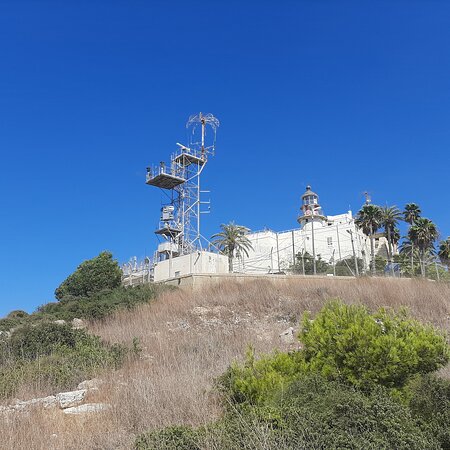
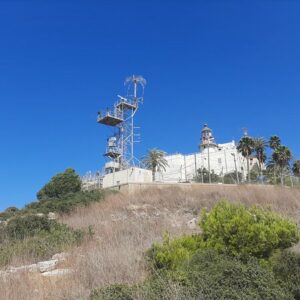
- The base in Stella Maris (on the Carmel Ridge in Haifa) was the nerve center of the unit. The high strategic location allowed for optimal control and a wide detection range across the Bay of Haifa and the Mediterranean Sea. This base housed the technical centers, communications facilities, and the central control center.
- Activity: The unit managed the detection stations along the country’s coasts and provided the “maritime picture” to the Navy Headquarters and vessels at sea.
- ICD (Communication and Detection Unit) as the Navy’s strategic control center in Stella Maris, with an emphasis on the transition from outdated technology to advanced radar and electronic warfare systems.
- ICD in the 1960s and 1970s: “The Eyes of the State
- The nickname “the eyes of the country” arose from the fact that in those years, the Navy’s radars were the only means of providing a “clean picture” of what was happening at sea. Every fishing boat, Egyptian submarine, or suspicious vessel was identified by the controllers of the IDF at Stella Maris.
- The Six-Day War (1967): During that period, the IDF at Stella Maris was the central factor providing the maritime picture in all sectors of the fighting. The unit operated a network of radar stations (detection stations) along the coast, from Rosh HaNikra to Gaza.
- The War of Attrition: After the war, with the deployment of IDF forces in Sinai, the IDF expanded its activities southward. Detection stations were established at strategic points such as Sharm el-Sheikh and Abu Rhodes. Central control remained at Stella Maris, which received reports from all the distant stations.
- The submarine revolution (late 1960s): The ICD was a critical partner in the introduction of missile ships. The unit was required to upgrade its communications systems to enable command and control (C&C) of fast ships equipped with long-range missiles.
- The Yom Kippur War (1973): This was the unit’s great test. The ICD in Stella Maris managed the complex communications system that made possible the victories in the battles of Latakia and Damietta. The ability to distinguish between enemy and friendly targets in real time depended entirely on the professionalism of the detection controllers in Stella Maris.
- ICD (Communication and Detection Unit) between the late 1960s and the Yom Kippur War.
- In those years, Stella Maris was not just a base, it was the “brain” that received data from a chain of coastal radar stations spread along the entire coastline of Israel and Sinai.
- The IDF radar station network (1960s-1970s): • Northern Sector:
- Rosh Hanikra: The northernmost station, which overlooked Lebanon (Tyre and Sidon).
- Stella Maris (Haifa): The central control and detection center. Due to the topographic height, the radars there “saw” very far into the Mediterranean Sea.
- Central Sector:
- Sidna Ali (Herzliya): A strategic station that controlled the center of the country.
- Jaffa / Ashdod: With the establishment of the Ashdod port, the station there became critical for identifying vessels entering the trade routes.
- Sinai Sector (the significant expansion after 1967):
This was the period when the IDF became a world-wide unit in terms of distances:
- Bardville Sea / El Arish: Stations that controlled northern Sinai and overlooked Egypt and Port Said.
- Sharm el-Sheikh (Ras Natsrani): A critical station that controlled the Straits of Tiran and the entrance to the Gulf of Eilat.
- Abu Rhodes and Ras Sudr: Stations along the Gulf of Suez that reported Egyptian vessel traffic in the canal and the Gulf.
- The information transmitted from the remote stations in Sinai (via radio links and relays) was channeled to the operations room in Stella Maris, where the locations of the targets were manually marked on transparent tables (plots).
- The ICG sergeant accompanied all those stations. The fighters who served in the isolated posts in Sinai were considered an integral part of the extended “ICG family”.
- ICG and Stella Maris. This unit was truly the beating heart of the Navy in those fateful years.
The role of the quantifier (or, as it is officially called today: Naval Control Center – KKS) is critical in building the naval picture of the Navy. The KKS is the “eyes” of the force, and is responsible for continuous monitoring of the maritime space, identifying vessels and preventing the infiltration of hostile elements.
Below is a detailed description of its operation and the professional challenge in distinguishing between targets:
The role and operation of the BAC
- Monitoring and control: The BAC sits in front of radar systems (detects direction and distance) and advanced optical means for detecting movements at sea.
- Target classification: Each point on the screen (target) must undergo a process of “identification and classification” – whether it is an innocent civilian vessel, a fishing vessel, or a potential threat.
- Operational coordination: It works in coordination with the patrol ships (Bees, Steils) and directs them towards suspicious targets for closer inspection.
The difficulty of distinguishing between fishing boats and other vessels
Distinguishing an innocent fishing boat from a hostile vessel (such as a terrorist boat disguised as a fishing boat) is one of the most complex challenges of the role:
- Similar radar signature: Small fishing boats and fast boats used for attacks can look very similar on the radar screen (small, flashing dots), especially on the high seas.
- Using “innocence” as camouflage: Terrorist organizations sometimes use fishing boats as a decoy or cover story to approach naval vessels without arousing immediate suspicion.
- Unusual maneuvers: The BAC is required to identify small changes in sailing patterns – a fishing boat will usually move in fixed courses or stand still, while a hostile vessel may make sharp maneuvers or sail at an unusual speed towards a target.
- Environmental conditions: Background noise from waves (sea clutter), coastal lights or a congestion of vessels in the fishing area make it difficult to isolate one suspected target from dozens of legitimate fishing boats.
— The role of the Naval Command, within the Naval Command, is an operational and dynamic role that lies at the heart of the operational activities of the Naval Branch. The Naval Command operates as part of the Naval Command system.
Length: 33 cm | Width: 15 cm
Weight: 3 kg



Reviews
There are no reviews yet.