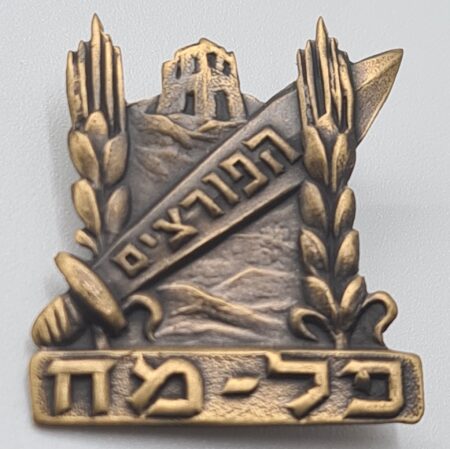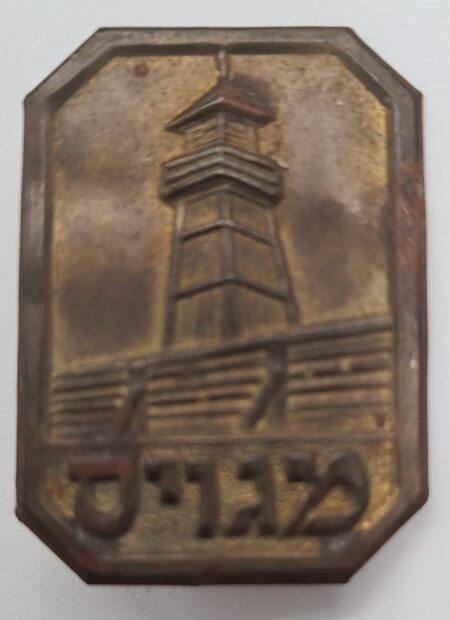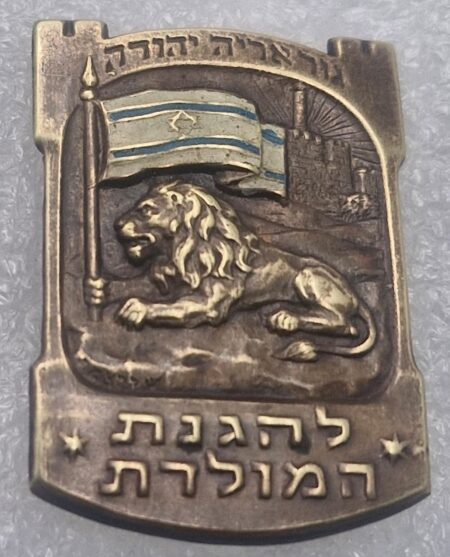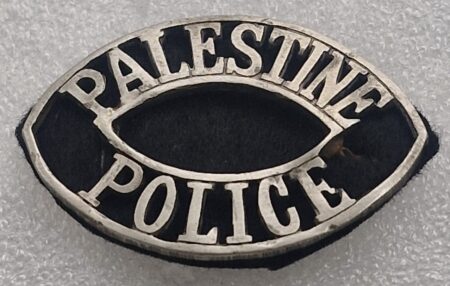

טרום מדינה תקופת הישוב
"טרום מדינה" (Pre-State) מתייחס לתקופה בהיסטוריה של ארץ ישראל שקדמה להקמת מדינת ישראל ב-14 במאי 1948, וכללה את תקופת "היישוב" היהודי, המנדט הבריטי, והמאבק להקמת מדינה יהודית, תקופה שבה התפתחה ישות יהודית מאורגנת עם מוסדות, מחתרות והתיישבות, תוך כדי התמודדות עם השלטון הבריטי והאוכלוסייה הערבית.
מאפייני תקופת "טרום מדינה":
• היישוב העברי: התפתחות הקהילה היהודית בארץ ישראל, החל מהתיישבות חלוצית, דרך עלייה שנייה ושלישית, ועד להקמת מוסדות לאומיים.
• התקופה העות'מאנית ו"היישוב הישן": השנים שלפני מלחמת העולם הראשונה, בהן התקיימה ישות יהודית מסורתית וקהילות חדשות.
• המנדט הבריטי (1920-1948): השלטון הבריטי הכיר בקשר ההיסטורי של העם היהודי והבטיח הקמת בית לאומי, מה שאפשר צמיחה מואצת של היישוב והתפתחות מוסדותיו, אך גם הוביל להתנגדות ערבית.
• המוסדות הלאומיים: הקמת סוכנות יהודית, קק"ל, קופת חולים ומוסדות נוספים, שהיוו בסיס למדינה עתידית.
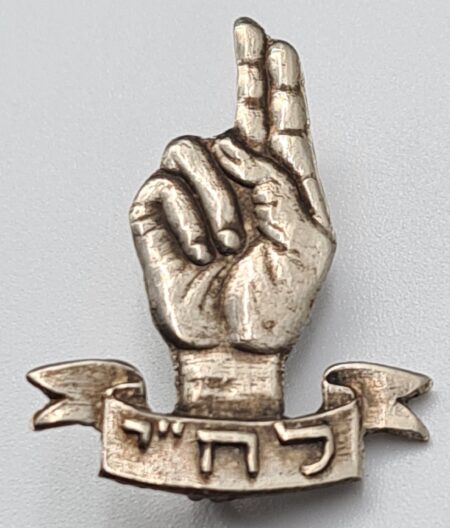
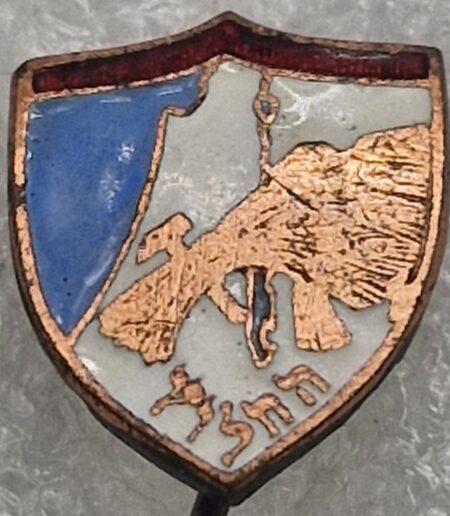
• המחתרות: ארגוני ההגנה, האצ"ל והלח"י פעלו להגנה על היישוב ולהשגת עצמאות, לצד המאבק המדיני.
• המאבק להקמת מדינה: החל מהחלטת האו"ם על החלוקה, דרך המהומות ומלחמת העצמאות, ועד להכרזת העצמאות עצמה, כפי שמתואר ב"מגילת העצמאות".
בקיצור, "טרום מדינה" היא התקופה בה היישוב היהודי פעל כקהילה ריבונית כמעט-מלאה, בהכנה להקמת המדינה היהודית העצמאית, מדינת ישראל.
"טרום מדינה" (Pre-State) מתייחס לתקופה בהיסטוריה של ארץ ישראל שקדמה להקמת מדינת ישראל ב-14 במאי 1948, וכללה את תקופת "היישוב" היהודי, המנדט הבריטי, והמאבק להקמת מדינה יהודית, תקופה שבה התפתחה ישות יהודית מאורגנת עם מוסדות, מחתרות והתיישבות, תוך כדי התמודדות עם השלטון הבריטי והאוכלוסייה הערבית.
מאפייני תקופת "טרום מדינה":
• היישוב העברי: התפתחות הקהילה היהודית בארץ ישראל, החל מהתיישבות חלוצית, דרך עלייה שנייה ושלישית, ועד להקמת מוסדות לאומיים.
• התקופה העות'מאנית ו"היישוב הישן": השנים שלפני מלחמת העולם הראשונה, בהן התקיימה ישות יהודית מסורתית וקהילות חדשות.
• המנדט הבריטי (1920-1948): השלטון הבריטי הכיר בקשר ההיסטורי של העם היהודי והבטיח הקמת בית לאומי, מה שאפשר צמיחה מואצת של היישוב והתפתחות מוסדותיו, אך גם הוביל להתנגדות ערבית.
• המוסדות הלאומיים: הקמת סוכנות יהודית, קק"ל, קופת חולים ומוסדות נוספים, שהיוו בסיס למדינה עתידית.
• המחתרות: ארגוני ההגנה, האצ"ל והלח"י פעלו להגנה על היישוב ולהשגת עצמאות, לצד המאבק המדיני.
• המאבק להקמת מדינה: החל מהחלטת האו"ם על החלוקה, דרך המהומות ומלחמת העצמאות, ועד להכרזת העצמאות עצמה, כפי שמתואר ב"מגילת העצמאות".
בקיצור, "טרום מדינה" היא התקופה בה היישוב היהודי פעל כקהילה ריבונית כמעט-מלאה, בהכנה להקמת המדינה היהודית העצמאית, מדינת ישראל.
רקע כלל בהיסטוריוגרפיה הישראלית נהוג לראות את שנת 1882 כשנה שבה החל תהליך ההתיישבות הציונית בארץ ישראל . בניגוד להגירות יהודיות קודמות לארץ שנשאו צביון דתי , המהגרים שבאו בגל הראשון של ההגירה ב – 1882 "העלייה הראשונה" – היו אמנם דתיים אולם ראו את ישוב ארץ ישראל כחלק מהתחדשות הלאומיות היהודית . הם לא התיישבו בארבע הערים הקדושות שבהן התנהלה קהילה מסורתית , אלא הקימו יישובים חדשים והתחילו לפתח את היישוב היהודי החדש בארץ ישראל . בעלייה זו הונחה למעשה התשתית המוסדית והאידיאולוגית שהביאה להקמתה של מדינת ישראל ב . 1948 המערך הארגוני שפותח בארץ ישראל על ידי התנועה הציונית היה חסר ריבונות מדינית , על כן הוגדר כמערך וולונטרי
pre state israel
The period referred to as "pre-state Israel" generally
covers the time in the Southern Levant region—also known as Canaan, Palestine, or the Holy Land—before the formal establishment of the modern State of Israel on May 14, 1948.
Key periods and events during this time include:
• Ancient History: The region has a long history dating back to antiquity. It was home to ancient Israelite kingdoms in the Iron Age, as well as various other peoples and civilizations, including Canaanites, Assyrians, Babylonians, Persians, Greeks, and Romans. The area was predominantly Jewish until the Jewish-Roman wars of the 1st and 2nd centuries CE, after which the demographics shifted.
• Ottoman Rule: The region was part of the Ottoman Empire from 1517 until the end of World War I. During this era, Jewish communities (known as the Old Yishuv) lived mainly in religious centers such as Jerusalem, Safed, and Hebron.
• Rise of Zionism and Aliyah: In the late 19th and early 20th centuries, the rise of Zionism in Europe, a Jewish nationalist movement, led to increased waves of Jewish immigration (known as aliyah) to the region. The New Yishuv comprised immigrants who aimed for economic independence and nation-building.
• British Mandate for Palestine: Following WWI, Britain was granted control of the region by the League of Nations as Mandatory Palestine, a period that lasted from 1920 to 1948. The British had publicly committed to the creation of a Jewish national home in the 1917 Balfour Declaration, which fueled Arab-Jewish tensions and the rise of both Jewish and Arab nationalist movements.
• UN Partition Plan: After World War II and increasing conflict in the area, Britain handed the issue to the United Nations. In November 1947, the UN General Assembly voted for the partition of Mandate Palestine into separate Jewish and Arab states, with Jerusalem under international administration. The Jewish leadership accepted the plan, while the Arab side rejected it.
• Civil War and Independence: A civil war ensued following the UN vote. On May 14, 1948, as the British Mandate officially terminated, the State of Israel was declared. This declaration immediately led to the 1948 Arab-Israeli War as neighboring Arab states invaded, which ultimately established Israel's independence and defined its initial borders.
PRE STATE ISRAEL
"Pre-State Israel" refers to the period in the land of Israel (then called Palestine) before the modern State of Zionist movement built the foundational institutions, infrastructure (like Tel Aviv), and self-governing bodies (like the Yishuv) that established the Jewish state in 1948, following the British Mandate (post-Ottoman Empire) and the UN Partition Plan, characterized by growing Jewish immigration (Aliyah) and political organization.
Key Periods & Developments
• Ancient Roots: The land has a long history, with ancient Israelite kingdoms existing for centuries before being conquered by various empires (Assyrian, Babylonian, Roman, etc.).
• Ottoman Rule (until 1917): For centuries, the region was part of the Ottoman Empire, with a diverse population including Arab and Jewish communities.
• British Mandate (1920-1948): After World War I, the League of Nations gave Britain control of Palestine, tasked with facilitating the "Balfour Declaration" for a Jewish national home.
• Zionist Immigration (Aliyah): Waves of Jewish immigration, especially after 1904 (Second Aliyah), brought socialists, builders, and pioneers who established the first kibbutz (Degania) and the city of Tel Aviv (1909).
• Building the Yishuv: Jewish residents (the Yishuv) created political parties, workers' unions, Hebrew-language institutions, and self-defense groups (like Hashomer) to build society and protect against hostility.
• Pre-State Governance: A sophisticated political system emerged, effectively acting as a shadow government, capable of steering the community and making binding decisions, laying groundwork for statehood.
• UN Partition (1947): The UN voted to split Mandatory Palestine into separate Arab and Jewish states, leading to the 1948 Arab-Israeli War and Israel's declaration of independence on May 14, 1948.
In essence, "pre-state Israel" describes the foundational decades when the Zionist movement organized, built, and prepared the Jewish community in Palestine for self-rule, transitioning from Ottoman to British control, and finally declaring independence.
היישוב
https://he.wikipedia.org/wiki/%D7%94%D7%99%D7%99%D7%A9%D7%95%D7%91
The history of Israel-Palestine before 1948
https://www.heyalma.com/israel-guide/history-of-israel-palestine-before-1948/
Yishuv (Pre-State)
https://israeled.org/topic/zionism-and-other-jewish-history/yishuv/