
Showing all 7 results
IDF in the War of Independence
https://he.wikipedia.org/wiki/%D7%A6%D7%94%22%D7%9C_%D7%91%D7%9E%D7%9C%D7%97%D7%9E%D7%AA_%D7%94%D7%A2%D7%A6%D7%9E%D7%90%D7%95%D7%AA
IDF Brigades in the War of Independence
https://he.wikipedia.org/wiki/%D7%97%D7%98%D7%99%D7%91%D7%95%D7%AA_%D7%A6%D7%94%22%D7%9C_%D7%91%D7%9E%D7%9C%D7%97%D7%9E%D7%AA_%D7%94%D7%A2%D7%A6%D7%9E%D7%90%D7%95%D7%AA
IDF Brigades in the War of Independence
Infantry units formed the bulk of the “Yishuv”‘s fighting force. At the outbreak of the war, the “Hagana”, in addition to tens of thousands of infantrymen, who were mostly untrained for field warfare and were limited to fighting in their residential areas, had four infantry brigades: Lebanese, Alexandronite, Givati, and Zionite. These soon became six, when the Lebanese brigade split at the end of February 1948 into Golani and Carmeli.
, and Kiryatiti split from the Givati Brigade. The Palmach battalions, whose numbers increased, were consolidated in the following months into three brigades: Harel, Yiftach, and Negev. In the first months of 1948, the “Hagana” organization began establishing professional units such as the “Armored Service” (SHMS), the predecessor of the Armored Corps, in February, and the “Artillery Service”, the predecessor of the Artillery Corps, in March
After the “partition decision,” the Irgun began an accelerated effort to establish combat field units. This effort went as far as establishing an inorganic battalion.
During the War of Independence (1948), many brigades operated in the IDF, some of which were established even before the establishment of the state as infantry brigades and became regular brigades in the IDF, and included infantry brigades such as Givati, Alexandroni, Carmeli, Golani, Etzioni, Kiryatiti, Oded, Palmach brigades (Harel, Yiftach, Negev), as well as armored brigades such as the 7th and 8th Brigades,
Who fought on all fronts, from the north to the Negev, carried out many operations and formed the backbone of the young IDF, from the original books of the complex and Wikipedia.
Infantry brigades (some based on the regional defense brigades):
• Givati Brigade: Established in November 1947, operated in the center and south (where operations such as “Nachshon” also took place).
• Alexandroni Brigade (3): Established in December 1947, operated in the center, participated in operations and fought on the central front.
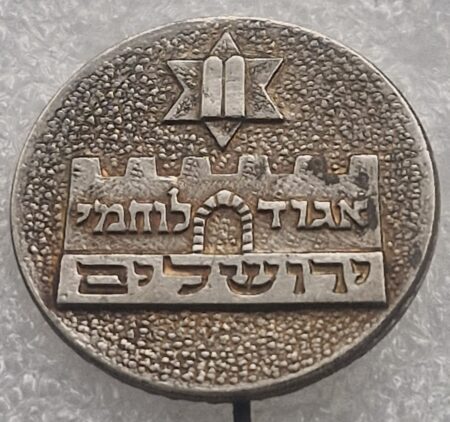
• Etzioni Brigade (6): Established in early 1948 for the defense of Jerusalem, became the 6th Brigade, operated in Jerusalem and its surroundings.
• Carmeli Brigade (2): Established in February 1948, operated in the north of the country, the Western Galilee and Haifa.
• Golani Brigade (1): Established in February 1948, operated in the north of the country.
• Kiryatiti Brigade (4): Established in February 1948, operated in the center of the country.
• Oded Brigade (9): Established after the establishment of the state (May 1948), operated in the north of the country.
Palmach Brigades:
• Harel Brigade: operated in the Jerusalem area.
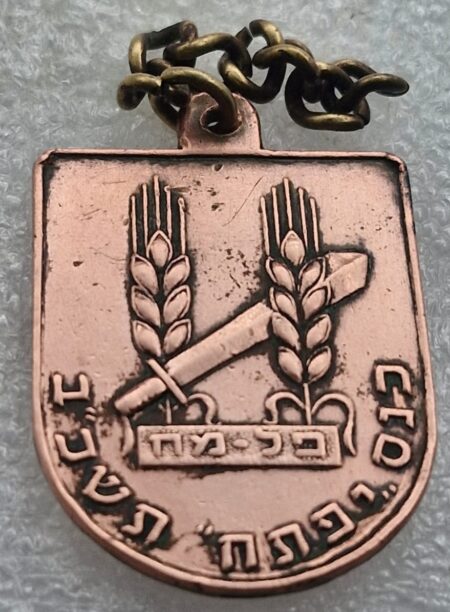
• Yiftach Brigade: operated in the north and then moved to the Negev.
• Negev Brigade: operated in the Negev, and held the besieged Negev.
Armored Brigades:
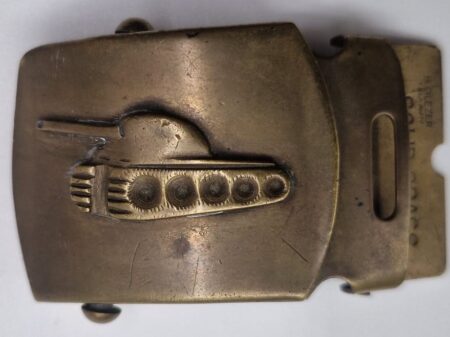
• Brigade 7: A mechanized and armored brigade, which operated on various fronts.
• Brigade 8: A unique armored brigade that included Etzel and Lehi personnel, operated on the central and southern fronts (for example in operations such as “Dani”, “Horev”).
Additional brigades (district/region):
• Jerusalem District Brigade (16): Established on the basis of the Etzioni Brigade towards the end of the war.
All of these brigades played a central role in the various stages of the war, participating in containment, offensive and liberation battles, and formed the core of the IDF in its early years.
The 1948 (1948) battalions were infantry units (field forces) of the Haganah and the British Army (British Infantry) and later the IDF, which formed and participated in the War of Independence, the most famous of which was the Givati Brigade, which included battalions 51, 52, 53, and 54.
These units were established and trained even before the establishment of the state from among the Jewish defense forces such as the “Hagana”, “Ha Noar Ha Oved”, “Ha Nachshonim” and volunteers, and fought on the southern front and in many battles, which made Givati an outstanding infantry brigade.
Givati Brigade (1918)
• Establishment: Established in Tel Aviv as an elite infantry brigade, based on the companies of “Ha Noar Ha Oved”, “Ha Nachshonim” (liberators of the British army) and new immigrants.
• Brigade Battalions:
o Battalion 51: Consisted of a religious company of the Tel Aviv, Holon and Tironim Hi-Visit Brigades.
o Battalion 52: Consisted of the Rehovot, Rishon LeZion and “Nafat Darom” Hi-Visit Brigades.
o Battalion 53: Consisted of the “HaShahar” and “Nachshonim” companies.
o Battalion 54: Continuation of the Tel Aviv Hi-Visit Brigade A and recruits.
• Main activity: Sent to the southern front in the War of Independence, participated in approximately 180 battles and is considered the outstanding Hi-Visit Brigade of the war.
Additional Battalions
• Tuvia Battalion: A battalion of yeshiva students in Jerusalem in May-November 1948, established as part of an agreement to integrate them into the defense of the city.
• Urban Infantry Battalions: Before the establishment of the state, urban infantry battalions were established in the major cities (Jerusalem, Tel Aviv, Haifa) and various governorates, which form the basis for later brigades.
Continued on the road
• The Givati Brigade continued to operate after the establishment of the state, was disbanded in 1956, and the name was later transferred to the Reserve Brigade (17th Brigade, which changed its number to 5).
•
• Yishuv forces were organised in nine brigades, and their numbers grew following Israeli independence, eventually expanding to twelve brigades. Although both sides increased their manpower over the first few months of the war, the Israeli forces grew steadily as a result of the progressive mobilisation of Israeli society and the influx of an average of 10,300 immigrants each month.[104] By the end of 1948, the Israel Defense Forces had 88,033 soldiers, including 60,000 combat soldiers.[105]
Brigade Commander Size[106]
Operations
Golani
Moshe Mann 4,500 Dekel, Hiram
Carmeli
Moshe Carmel
2,000 Hiram
Alexandroni
Dan Even (he)
5,200 Latrun, Hametz
Kiryati
Michael Ben-Gal 1,400 Dani, Hametz
Givati
Shimon Avidan
5,000 Hametz, Barak, Pleshet
Etzioni
David Shaltiel
Battle of Jerusalem, Shfifon, Yevusi, Battle of Ramat Rachel
7th Armoured
Shlomo Shamir
Battles of Latrun
8th Armoured
Yitzhak Sadeh
Danny, Yoav, Horev
Oded
Avraham Yoffe
Yoav, Hiram
Harel
Yitzhak Rabin[107]
1,400 Nachshon, Danny
Yiftach
Yigal Allon
4,500 inc. some Golani Yiftah, Danny, Yoav, Battles of Latrun
Negev
Nahum Sarig 2,400 Yoav