
Showing all 10 results
History
Embroidered military patches were first worn in the 18th century by British soldiers, but were only worn by senior officers to denote their higher rank. The idea soon spread to America.
Military patches in the U.S. military date back to the Revolutionary War when George Washington created the Military Meritorious Service Badge, originally a patch that would become the Purple Heart. However, because fewer than a handful of men earned the Military Meritorious Service Badge, the use of patches on U.S. uniforms would not catch on until the Civil War.
So, US soldiers started this tradition during the Civil War to identify each side. These patches were originally created by the loved ones and wives of soldiers during this period before becoming common.
Compared to today’s uniforms, 19th-century military uniforms were very simple. When the American Civil War broke out, both Union and Rebel soldiers wore patches on their hats, sleeves, and shirts, all hand-sewn by their loved ones back home. Their use was minimal due to the high cost of materials and the scarcity of cotton and thread. Military patches did not become a standard part of the U.S. military uniform until World War I.
World War I was the moment when military patches became more common. The Industrial Revolution had already occurred and the newly invented sewing and embroidery machines streamlined the production of patches. The Army’s 81st Division created the first tactical patch.
Most divisions issued their own unique patches and many of these are now collector’s items.
The early patches were often primitive but by World War II, production was regulated.
By World War II, the meaning of military patches began to change. Divisional, rank, and skill patches were military patches that were meant to display information about a soldier without actually contacting him. Military commanders on the battlefield could find the right person for the right job just by looking at the patches.
The Scotch tape technique was created in 1941 and made the process of replacing and removing patches easy.
Other government agencies such as NASA have adopted the use of custom patches. Starting in the 1960s, each space mission has had a unique patch created to symbolize it. NASA works with the astronauts on those missions to create the patches, which are worn on their spacesuits.
What are the different types of patches?
Patches are everywhere these days, from backpacks to denim jackets to even hats and of course on uniforms.
Patches in Israel and the IDF
Patches in the IDF and Israel
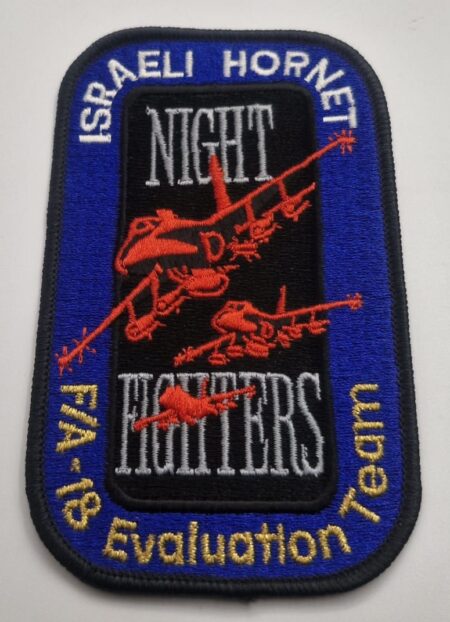
With the increasing Americanization of the IDF starting in the 1970s, the external signs also increased and American traditions were acquired. While the patches in the American army also appear on their A-shirts, in the IDF, led mainly by the Air Force and initially, the patches appear only on B-shirts and overalls, and now in the 2020s and onwards, the patches are widespread on the tactical uniforms of all forces in an official manner. I mention this because at first the patches appeared unofficially and were the result of the initiative of the soldiers of the unit and later also its commanders and gradually they were made by commanders from the unit’s budget but unofficial patches still exist mainly in the Air Force, for example all the patches of the “opposition” of various kinds. In terms of materials, the early patches in the Air Force were patches printed in color on plastic material and
sewn onto the uniforms. Gradually they began to Embroidered patches initially appeared sewn onto overalls or work clothes, some even with a plastic cover.
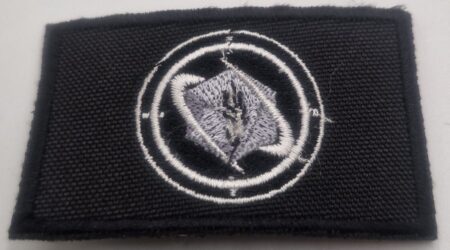
Now the patches appear with a male scotch tape, with the female scotch tape already sewn onto overalls and tactical uniforms.
The phenomenon of silicone patches began mainly as a private initiative, mainly in the Air Force, but not exclusively.
And even more special are the silicone patches that glow at night.
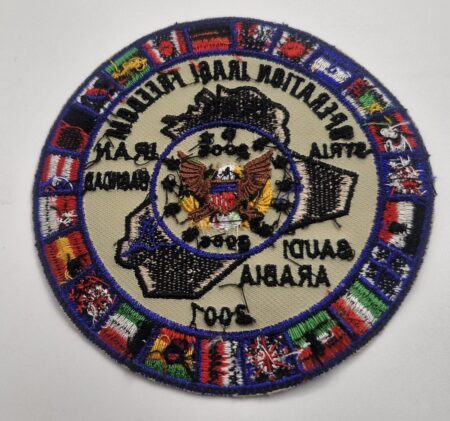
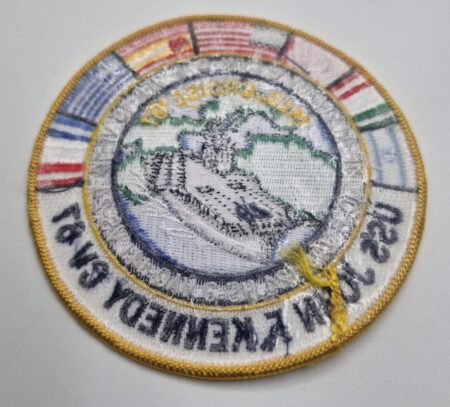
It should be noted that patches in the IDF are divided into several categories: names, shoulder ranks and arm ranks for tactical uniforms, positions, unit symbols, national flags, tactical signs, pen holders, professional symbols, marking events, international exercises, etc. Official special patches are the Air Force’s Shimshon patch on air crew jackets, and the Navy’s cloth patch launched in honor of Operation “Liberty Bell” and the Steel Sail to participate in the 200th anniversary celebrations of the United States in 1976..
It should be noted that recently, starting in 2022, silicone patches have penetrated the police and the Border Guard.
And a final note – in our places it is customary to classify any embroidered symbol as a patch and not it.
There are unofficial embroidered unit badges embroidered on unit badges. This is a category of unit badges – unofficial
But there are rare official embroidered unit badges starting in 1965 for survival uniforms in the winter badge pattern. The number of badges was
few and intended only for the commands of the Air Force and two brigades for the Golani and the Paratrooper Brigade. These are not patches but unit badges
For all intents and purposes. Unlike the police force, IPS, CHA, MDA, Knesset Guard, and others, the patches are also used on uniforms.
New in the Air Force: Wings on Flight Overalls, Too
https://www.ynet.co.il/articles/0,7340,L-2759939,00.html
Embroidered Patches
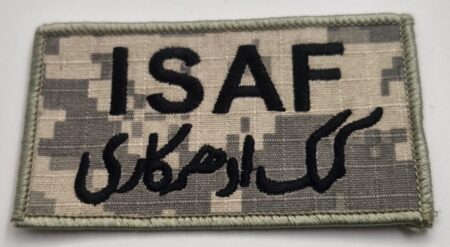
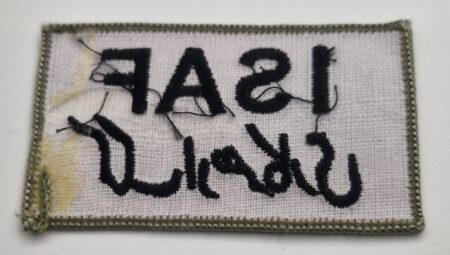
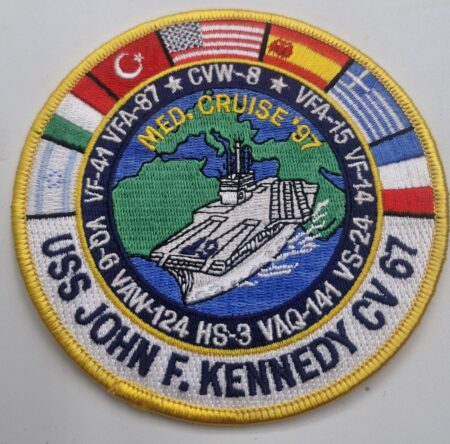
Embroidered patches are a popular style of patch created by sewing fabric onto the surface of the patch. This type of patch is usually made from heavy materials such as twill, canvas, or felt. The design is often stitched with thread colors that match the fabric, giving it a neater, more polished look.
Embroidered patches are the most durable type of patch. They can be washed and dried without any damage, and they won’t fray or lose their shape. This makes them a good option for items that will be used outdoors or in other harsh environments.
The downside of embroidered patches is that they are often more expensive than other types of patches.
Embroidered patches are high-quality and durable, they will stand up to wear and tear, and they also
look great!
Printed Patches
Printed patches are created by printing the design onto a piece of fabric. This type of patch is usually made from lightweight materials such as cotton or polyester. The design is printed with ink, giving it a bold and vibrant look.
Printed patches are the least expensive type of patch. However, they are not as durable as other types of patches and cannot be washed or dried.
PVC Patches
PVC patches are the most durable type of patch. They can be washed and dried without any damage, and they will not deteriorate or lose their shape. This makes them a good option for items that will be used outdoors or in other harsh environments.
The downside of PVC patches is that they are often more expensive than other types of patches.
They are durable, and they look great too!
Bullion Patches
Bullion patches are made by sewing metal onto the surface of the patch. This type of patch is usually made from materials such as gold or silver. The design is often sewn with thread colors that match the metal, giving it a neater, more polished look. They are expensive.פאצ’ים מעור
Leather patches
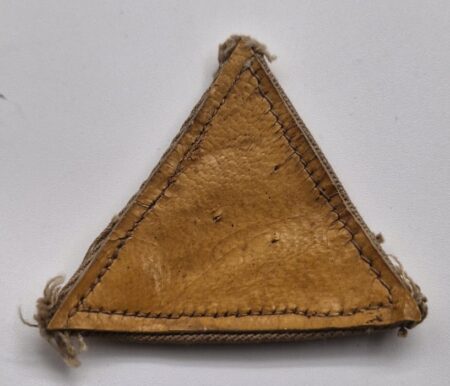
are made by sewing leather onto the surface of the patch. This type of patch is usually made from materials such as cowhide or suede. The design is often stitched with thread colors that match the leather, giving it a neater, more polished look.
Leather patches are soft and durable, making them a popular choice for patches to be worn on uniforms. They are also much more expensive than other types of patches.
Iron-on patches
Iron-on patches are the easiest type of patch to use.
The downside to iron-on patches is that they are not as durable as other types of patches. They may also peel over time.
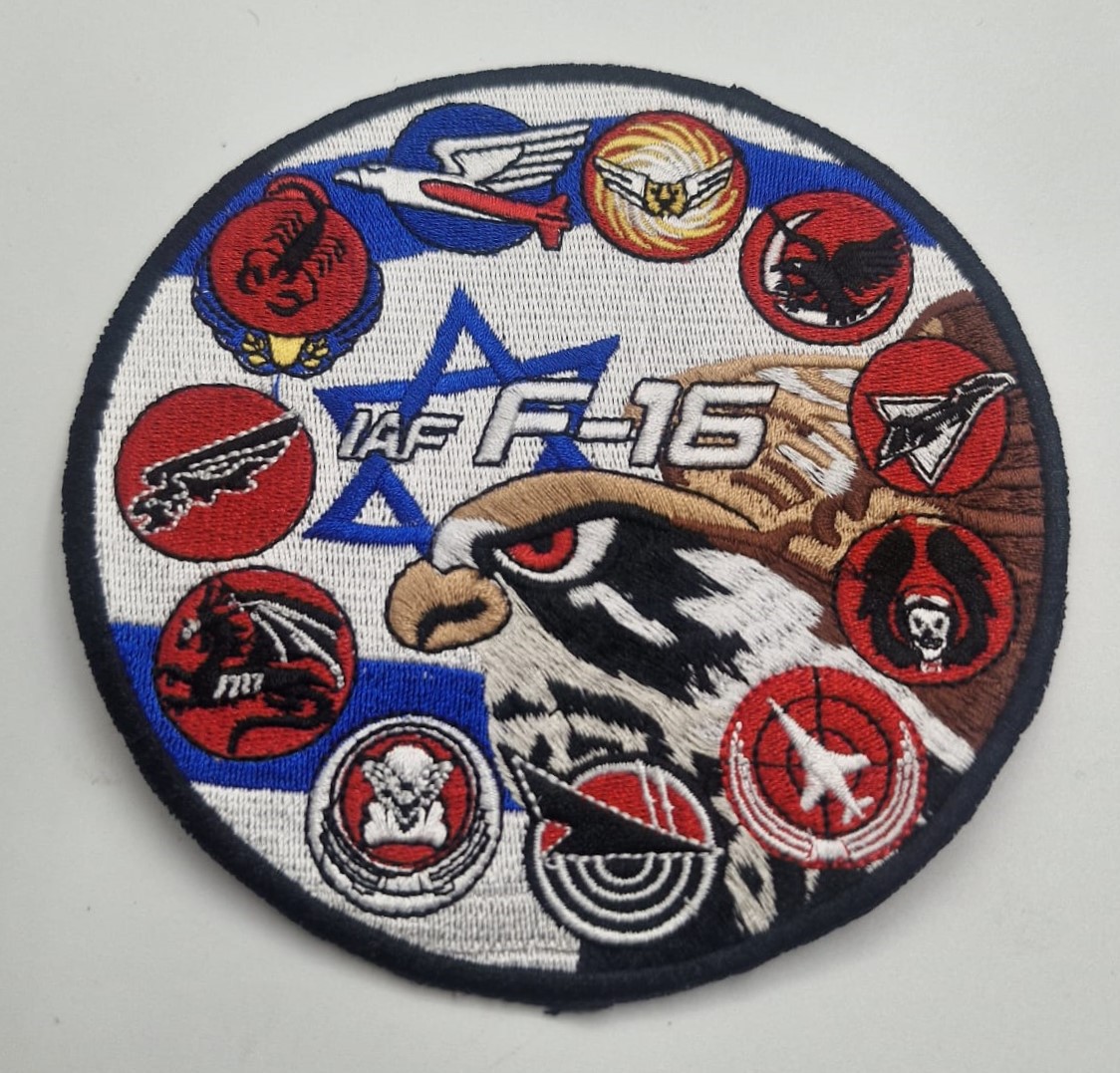
View cart “Events – 11 squadrons that operated F-16 aircraft” has been added to your cart.