
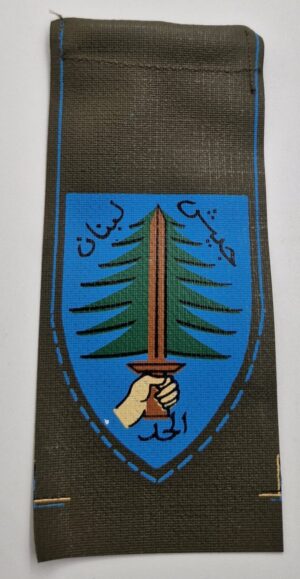
| Weight | 3 kg |
|---|---|
| Dimensions | 44 × 12 cm |


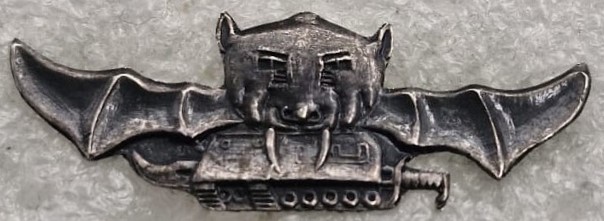
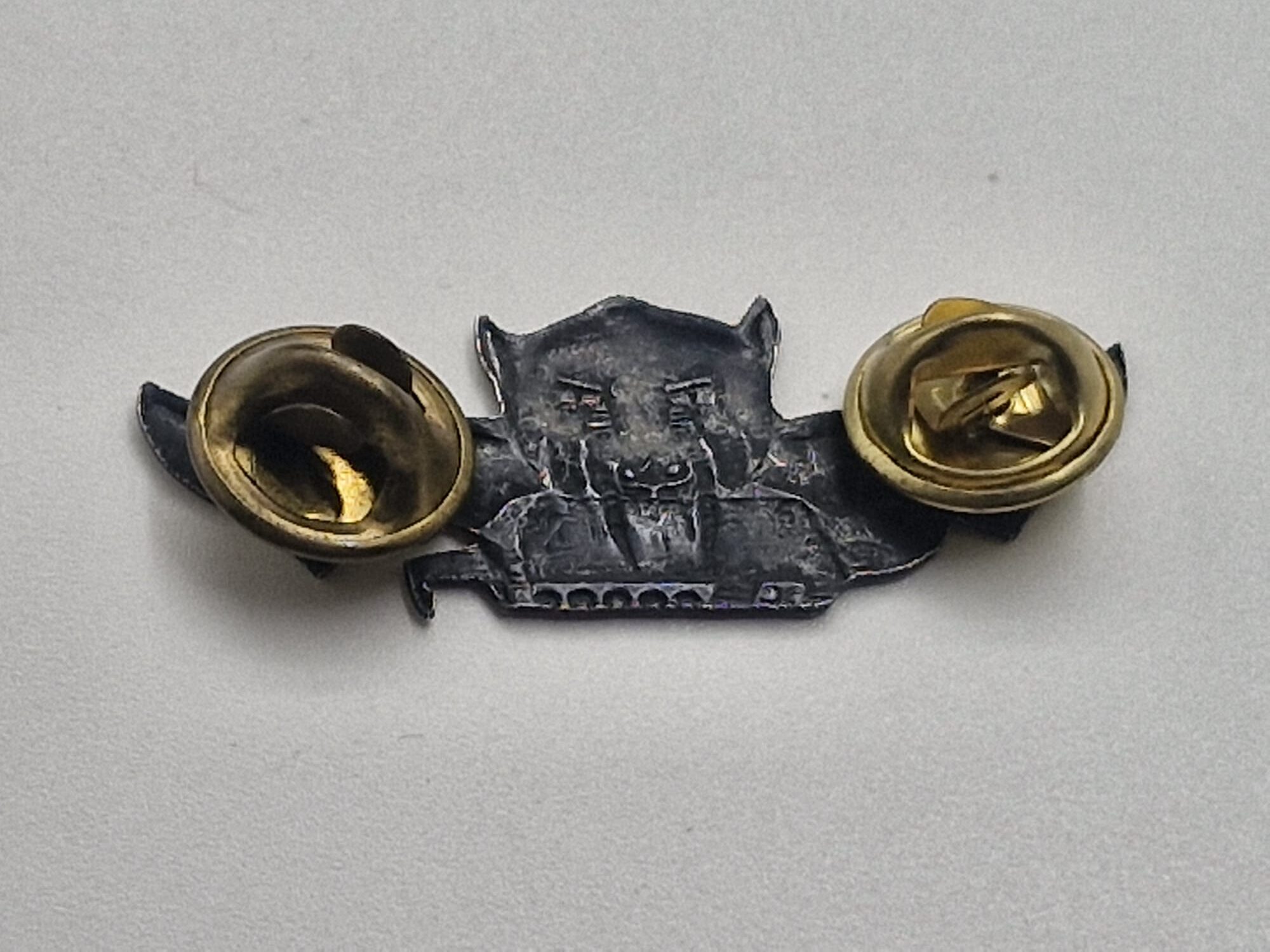
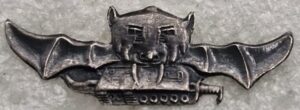
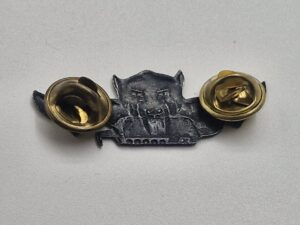
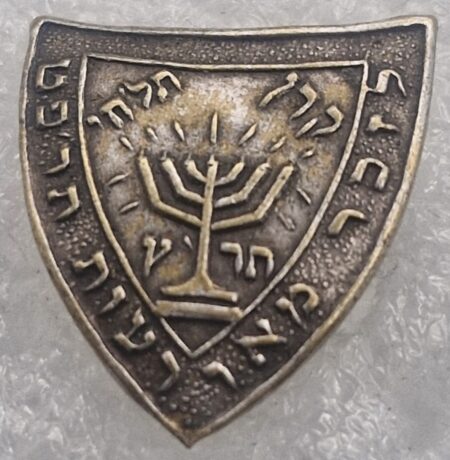
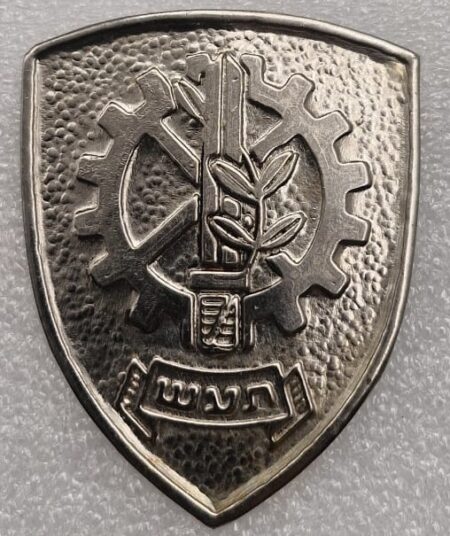
Eshchar Company, Cheetah Unit 1988 1995, Harmesh Companies that were involved in the BTA in the territories, including methods of disguising themselves as settlers and disguised nighttime entry to disrupt order and thwart demonstrations.
$100.00
The Chermesh Unit or Cheetah Unit was an infantry unit that routinely operated in the IDF in the territories of Judea, Samaria and Gaza, under the Central Command and the Southern Command and was intended to serve as a mechanized infantry unit in an emergency. The unit was engaged in ongoing security, arresting wanted individuals, thwarting demonstrations and terrorist acts in the heart of hostile territories, disguising itself as settlers and traveling on highways in civilian vehicles to capture terrorist cells, and stealth operations (dressing in black and entering areas of disorder on foot at night to capture troublemakers).
With the disbandment of the unit, its soldiers served as the base for the establishment of the Haruv and Shimshon battalions. In 2016, with the transformation of the Haruv Battalion into the new Haruv Patrol, as a commemorative sign, the company names were renamed after the first companies, Ashuach, Eshchar and Alon. The unit’s beret was black with an infantry emblem.
The unit was established as an experimental unit in 1988,
following the ongoing need for a dedicated infantry unit for warfare deep within the territories of Judea, Samaria and Gaza during the first intifada and in an emergency, which would operate as an infantry unit that would be available alongside armored forces for warfare within built-up areas.[1] To this end, the unit’s forces established their headquarters within the area, in order to familiarize themselves with and learn about the sector under their responsibility, in order to turn it into their “second home,” thereby making it difficult for the enemy and hindering his steps in carrying out terrorist acts or any action against Jewish civilians and communities. The idea proved itself, and the presence of the fighters in the various sectors was considered desirable and welcome in the regional brigades. The unit’s soldiers were very knowledgeable in their sectors of operation, sometimes to the point of personal acquaintance with the residents, and were more skilled in carrying out missions and operating the designated means of warfare than reserve soldiers and regular soldiers who arrived for operational engagements for short periods of time.
The training for the Hremash units was conducted at the Adam facility. The training included rifleman training, APC training, and the BAT series. The operational employment framework included 9 months of BAT and 3 months of Hremash training.[1]
In August 1990, the name Shahaf was chosen for these frameworks.[2]
After six years of activity and following the Oslo Accords and the withdrawal from the Yesha territories, the unit’s activities were reduced and finally it was decided to transform it into the Haruv and Shimshon battalions, which were two of the battalions that later made up the Kfir Brigade.
The Hremash companies had two different designations, one during routine and one during emergencies. During routine, the unit’s designation was special operations in the territories of Judea and Samaria and Gaza, and the activities included: intervention, Shin Bet arrests, and police. and chameleon and homeland activities (impersonating settlers to capture terrorists, (using civilian components and a special bus).
And also activity in the Tash, but in times of emergency, each company was attached to another armored brigade and functioned as a brigade infantry company mounted on armored personnel carriers (the “Cheetah” model) that secures the brigade, provides infantry solutions for combat in built or open terrain, and allows continuous movement of the armor. The “Alon” and “Ashuach” companies were assigned to the 500th Brigade, “Eshbal” and “Eshchar” were assigned to the 401st Brigade, and the “Oren” company was assigned to the 188th Brigade. For this purpose, the fighters underwent training appropriate for both designations during the course, which lasted about a year and a half.
In establishing the Hermesh unit, the IDF attempted to solve two problems: one, the need for a dedicated and unique force to fight the intifada, and the other, the renewed need for infantry forces available to the armored forces as a lesson from the Yom Kippur War.
Eshchar Company – The company was initially established in Rafah, but later moved to Gaza City, first in the “Copper Plateau” complex and then within the Jabaliya refugee camp. Later, the company moved to the Deir Sharaf complex.
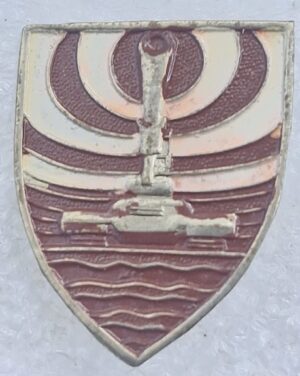
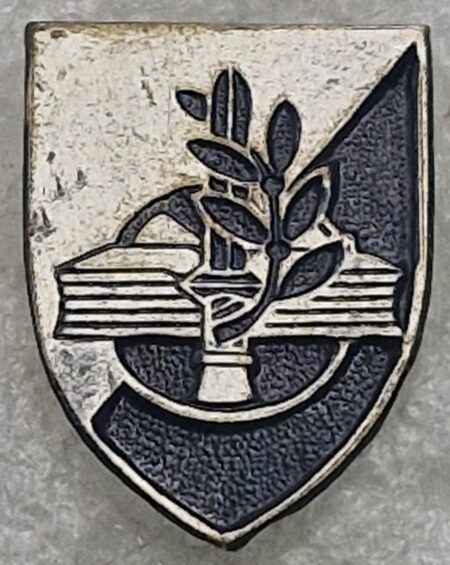
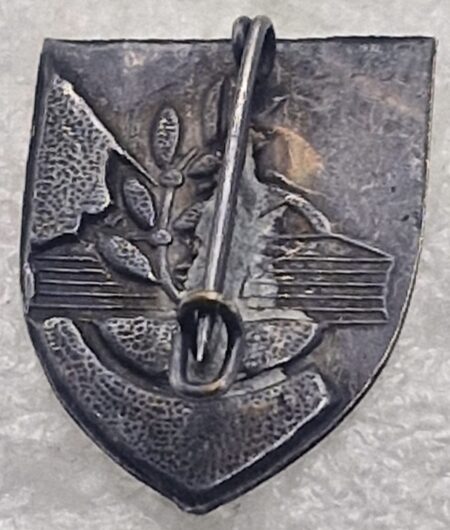
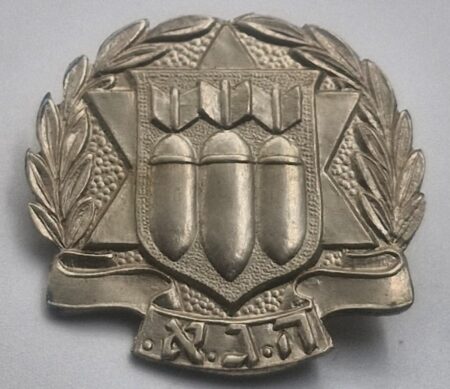
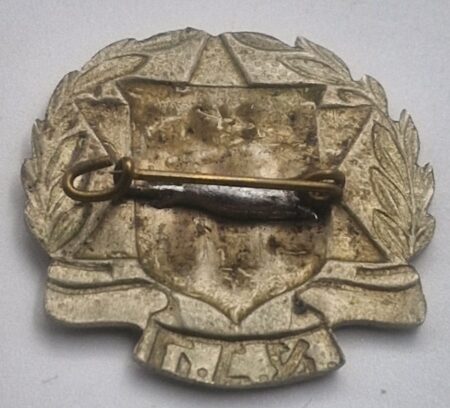
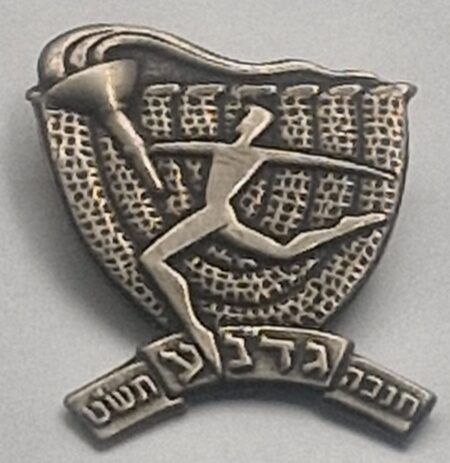
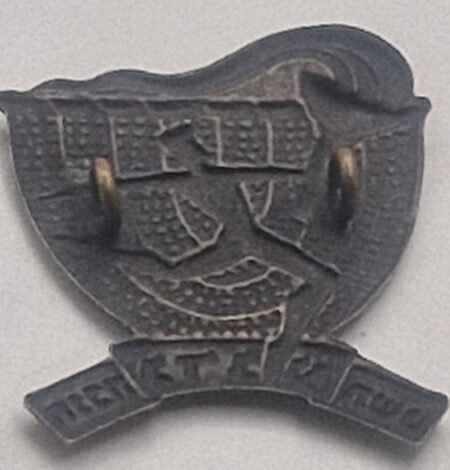
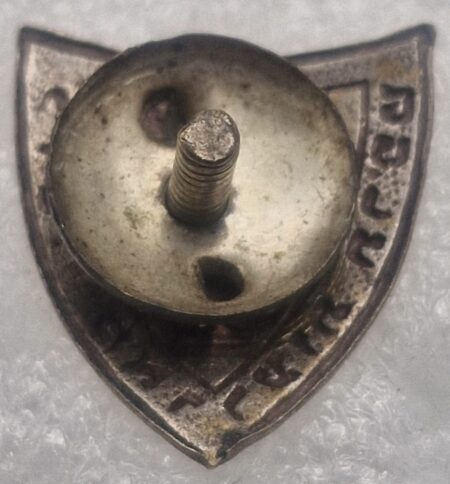
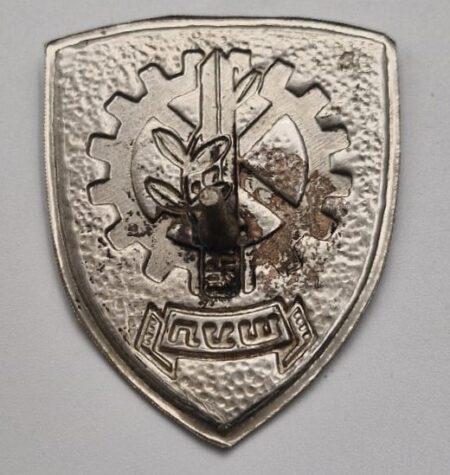
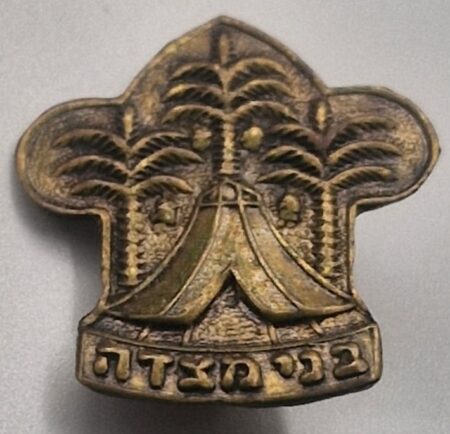
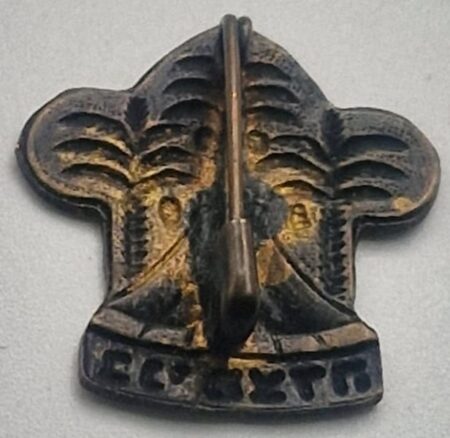
Early pin with the Ashhar Company emblem. The company was established in 1988 as part of the Charmash (Armored Infantry) unit or the “Cheetah” unit, which engaged in ongoing operations in Judea, Samaria, and the Gaza Strip. The company began its operations in Rafah and from there moved to the Gaza Strip. It later moved to the Judea and Samaria Sector near the city of Nablus. In an emergency, it was subordinate to the 401st Armored Brigade. When the unit was disbanded in 1995, its soldiers formed the basis for the re-establishment of the Charuv and Shimshon battalions. Uncommon.
Length: 44 cm | Width: 12 cm
Weight: 3 kg


Reviews
There are no reviews yet.