
| Weight | 1 kg |
|---|---|
| Dimensions | 16 × 15 cm |


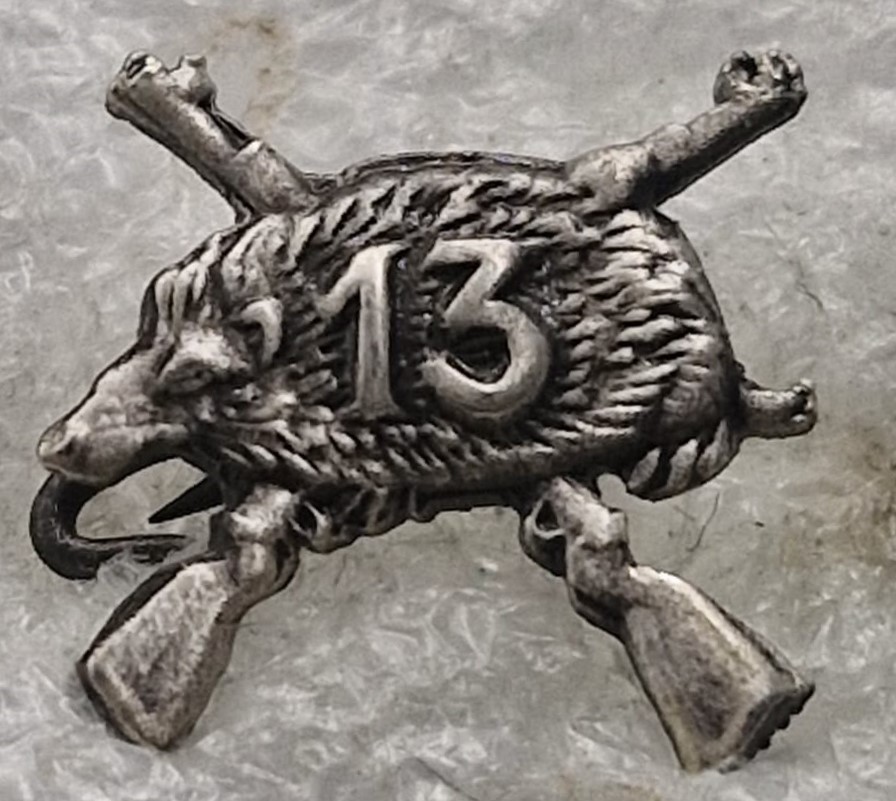
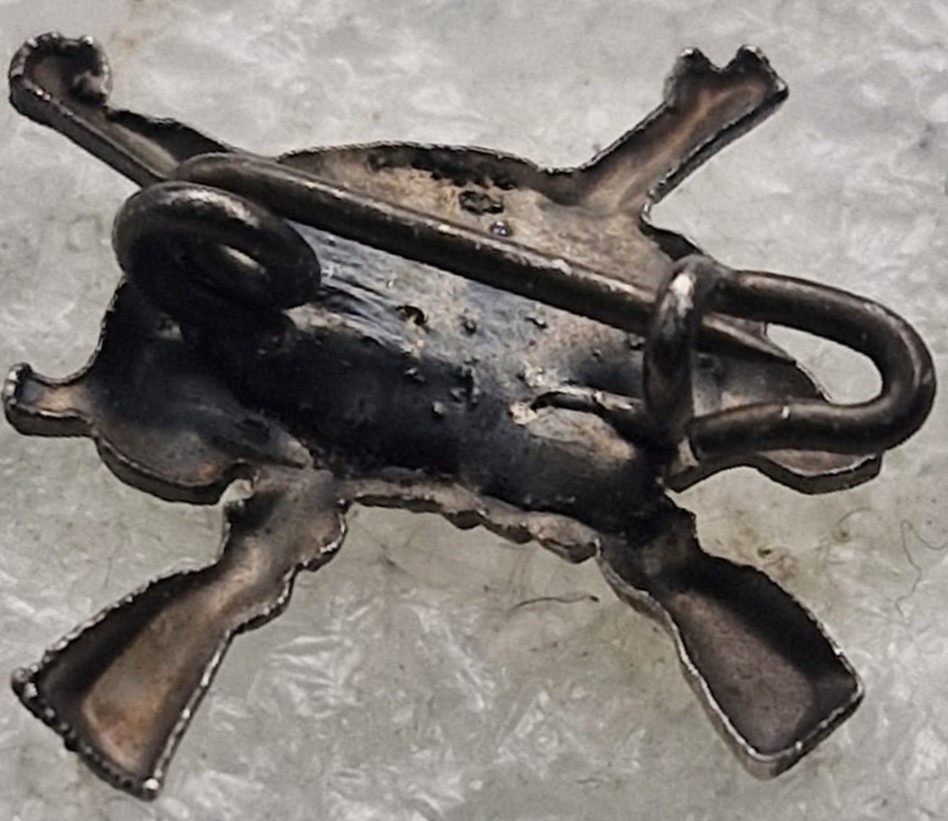
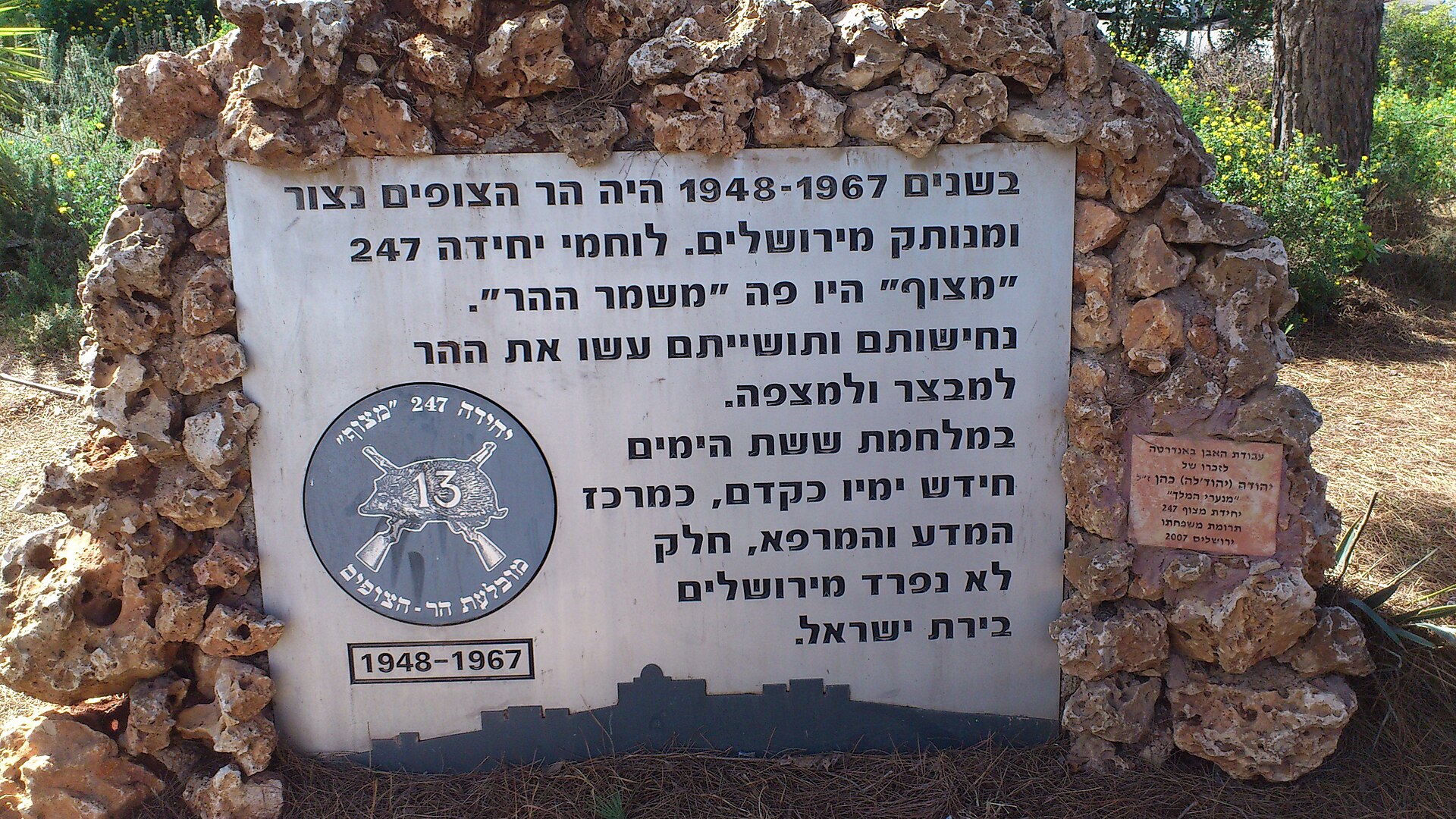
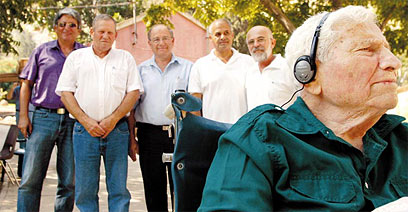
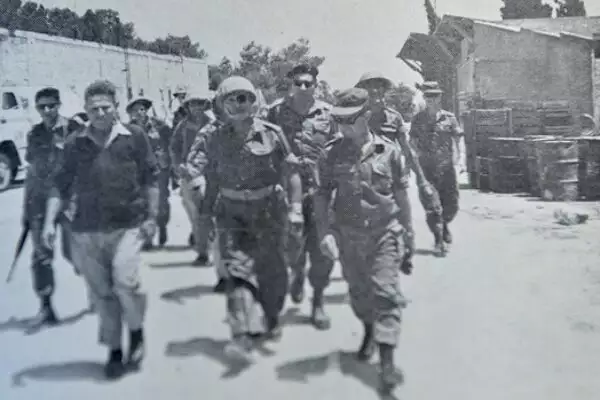
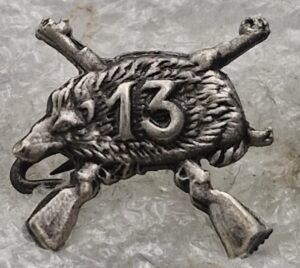
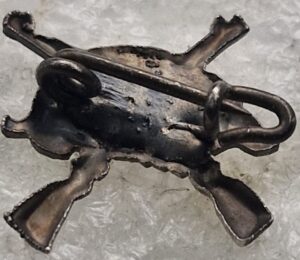
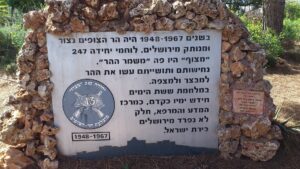
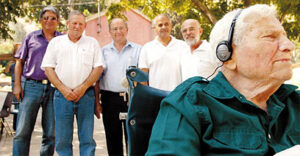
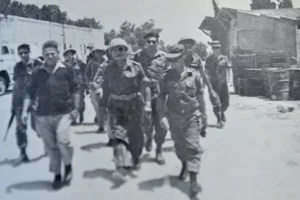
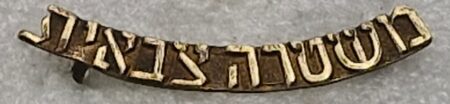
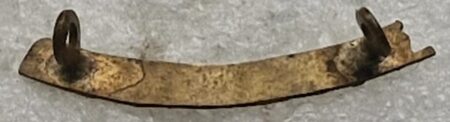
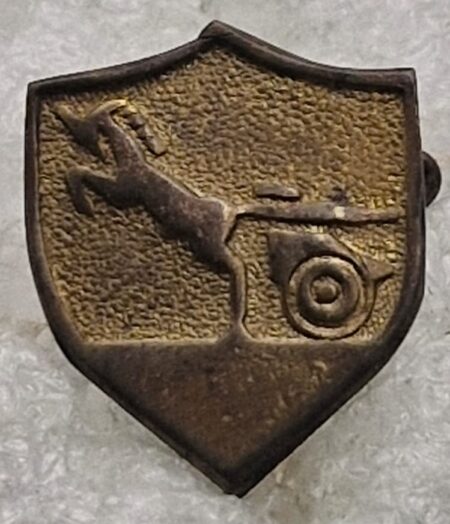
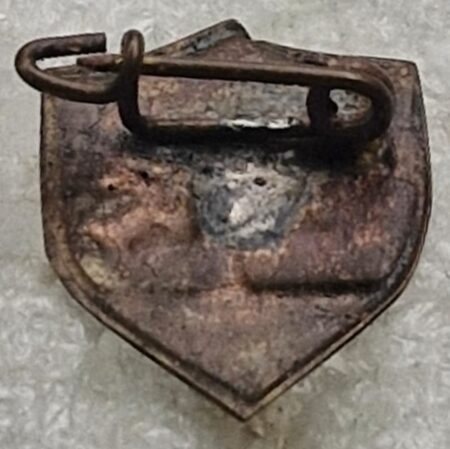
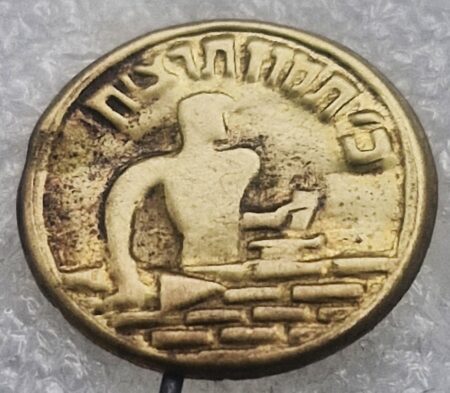
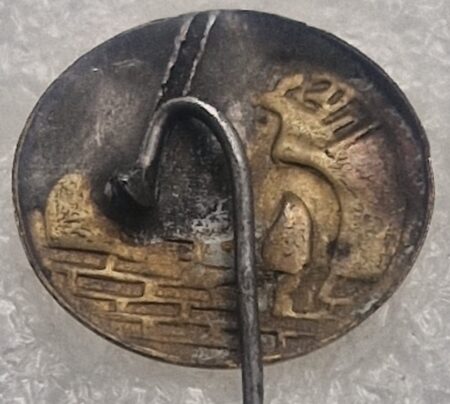
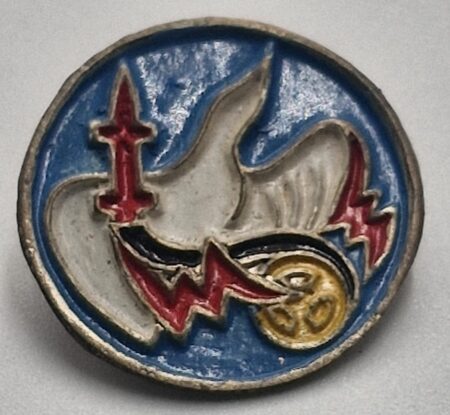
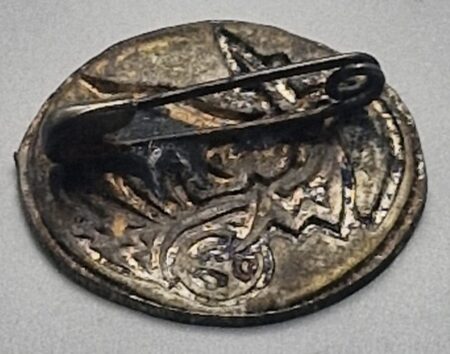
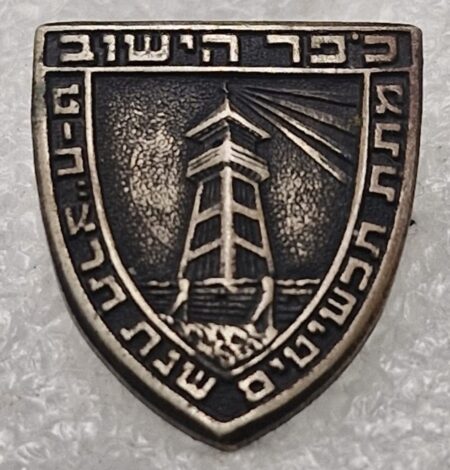
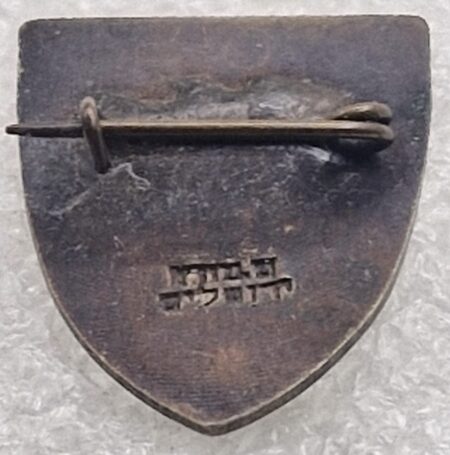
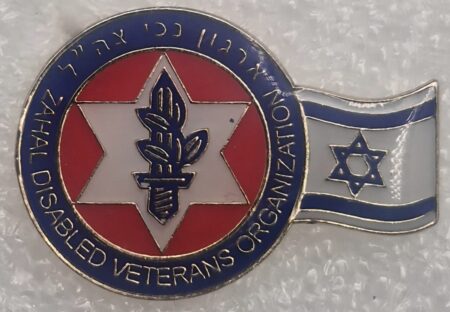
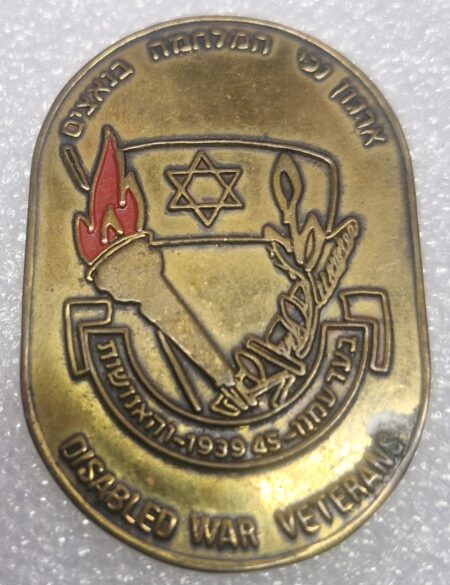
General Infantry Matzof 247 Unit , 1954-1967, Permanent Mountain Guard, a secret unit that dealt with smuggling weapons to protect the Mount Scopus enclave and intelligence, went civilian, even the soldiers who were replaced did not understand what was happening there
$220.00
Mount Scopus Enclave
The armistice agreement, signed between Jordan and Israel in Rhodes, in April 1949, confirmed the agreement signed in July 1948, according to which Mount Scopus would be demobilized and there would be no military forces there. Only 85 lightly armed police officers and 35 civilian staff were allowed to be on the mountain. The number of people on the mountain at that time.
The enclave became a fortified compound for smuggling weapons. The fascinating historical story of the enclave that was united with the city in 1967
For 19 years, Mount Scopus, with the buildings of the Hebrew University and Hadassah Hospital, was cut off from the city and served as an Israeli outpost in Jerusalem. An Israeli enclave in the heart of a hostile Arab population, it became a fortified compound for smuggling weapons to which a narrow and bumpy road led. Between the War of Independence and the Six-Day War, a small Israeli force held the site and managed to preserve the deserted buildings.
The agreement signed in Rhodes stipulated that a convoy would go up to the mountain every two weeks to supply and replace the team – up to half of the personnel on the mountain. The arrangements and procedures for movement to the mountain to replace the biweekly convoy were not determined and were established under UN supervision. In the column that left the Mandelbaum crossing – there were two armored buses and three trucks carrying supplies. The convoy was accompanied by UN and Jordanian Legion jeeps to the Mount Scopus compound, and on their way back. The armored vehicles were sealed and their occupants could not see the road, and each armored vehicle had an armed Jordanian soldier and a UN person. Both sides partially implemented the demilitarization arrangements. Israel sent soldiers to the mountain in police uniforms, managed to smuggle heavier weapons onto the mountain than allowed in the agreement, and also fortified part of the compound.
On the other hand, the Jordanians built military posts in the demilitarized zones and even in the no-man’s-land, took control of the village of Isawiya and other areas that were included in Israeli territory. However, the movement of the biweekly convoy was not stopped, even though it was sometimes delayed by the Jordanians. In addition, the exact borders were disputed between the parties, a dispute in which each side resented the other and in the context of which it even violated the agreement for its own convenience. The forces that came up in the convoys guarded the enclave, and prepared with many means to repel any Jordanian attack. The “policemen” were in fact well-trained soldiers and it was a well-kept secret – that in the sides of the armored vehicles were hidden many weapons that were smuggled into the mountain. The members of the convoy had many means to protect themselves in the event of an attack on them. Weapons were also hidden in the sides for their personal protection – and there were pressure zones on certain points in the armored vehicle, which were known to the “secret-keeper” passenger,
And pressing them would cause the double wall to open. The passengers also practiced how they would take over the Jordanian soldier who was accompanying them in an emergency. The transfer of weapons to the mountain was called “flour smuggling.” The Jordanians conducted thorough checks on the immigrants to the mountain and their equipment, but it did not occur to them that large-scale smuggling of weapons was taking place using the armored vehicles. The existence of the “slicks” for weapons in the enclave was known only to a few who knew the secret. Constantly strengthening the standing strength of about 120 Israelis in the heart of Jordanian territory and plans to quickly connect with them and rescue them – were a constant concern of David Ben-Gurion as Prime Minister and Minister of Defense (and his successor in these positions, Levi Eshkol) and the Chiefs of Staff. The Legion did not try its hand at conquering the mountain, but there were attempts to create difficulties for the biweekly convoys – and any tensions between Jordan and Israel would immediately manifest themselves in the need to postpone the date of the convoy’s arrival.
In light of this situation, it was decided to establish a special unit in 1954 that would perfect the method of smuggling weapons and at the same time work to ensure that the enclave would become a strong fortress. The person chosen to prepare defense plans for the fortification of the enclave was Lt. Col. Shlomo (Chitz) Lahat, who was appointed commander of the mountain in 1953 and founded the unit that was initially called “Masada”.
In 1959, the special secret unit was given the name “Masada 247”, its symbol was a hedgehog and two rifles engraved with the number 13. There were 13 positions on the mountain called hedgehogs (the sum of 2+4+7 is 13). The unit commanders were nicknamed “the King” (this is due to the police cap, decorated with a number of gold threads and a star on top that was provided to police officers of the rank of major and above). The company commander, who was the deputy of the “King”, was called “the Prince” and his assistants were called “the King’s Boys” – 18 soldiers who spent two weeks on the mountain (9 in each rotation)
They went down and up again – and so, God forbid, all their military service repeats itself. They were in charge of various branches such as weapons, communications, storage and sabotage. It should be noted that the intelligence material collected by the intelligence personnel in the enclave, on the Legion and its movements, was of great help to the IDF. Lahat’s plans were found to be of the highest quality, and were used by the commanders who followed him until 1967.
The Six-Day War
At the outbreak of fighting on June 5, 1967, the Jordanians opened fire towards Mount Scopus, but were astonished by the intensity of the counterfire that was fired from it towards their posts. The fire was fired from heavy machine guns and cannons that were removed from the silos. A Jordanian tank convoy that made its way to Jerusalem via Jericho, which was supposed to first conquer Mount Scopus, was destroyed by the Air Force in the Ma’ale Adumim area. In the early morning hours of June 7,
Paratroopers captured Augusta Victoria and liberated the enclave south of it. By noon, the Commander-in-Chief, while still under sniper fire – including Defense Minister Moshe Dayan – was in a hurry to reach Mount Komandaker, driven by Central Command Major General Uzi Narkiss, and his deputy Rehavam Zeevi was also on board. In his book “Achta Yerushalayim”, Uzi Narkiss recounts: “The garrison on the mountain knew about our arrival, we passed through the gate, the people crowded there, angry and rejoicing. We responded with a wave of our hand, but we did not linger. Such was the “ceremony” to mark the arrival of the first Hebrew convoy to Mount Scopus, without a forced escort by Legion soldiers, at the end of a 19-year siege!” Those who arrived met the last “king”, Menachem Sharfman, who saw his service there as his life’s mission and was considered the most prominent among the commanders of the “Matsof 247” unit – and went on a short tour of the mountain with him. Menachem Sharfman took command of “Matsof 247″.
He commanded the unit until Jerusalem was liberated in the Six-Day War. This was undoubtedly the mission of his life, and he was later considered the most prominent among the commanders of “Matsuf 247”.
The soldiers of the classified unit, his partners in the secret, were carefully chosen by Sharfman. They saw the tough commander as the king of the mountain – a fearless warrior, who was not afraid to approach the Legion positions to listen to the Jordanian soldiers, to bribe UN officers while smuggling weapons, and to surprise soldiers at the guard post, to keep them alert. “The king of the mountain”, they called him, and they were “the king’s boys”.
“It was like commanding the Beaufort”, says David Trabelos, one of Sharfman’s soldiers, “He was a great commander, consistent and meticulous, paying attention to every detail, who gave his soul to this mission – the maintenance, the guard, the attack and the defense. The King of the Mountain ruled over everything. Aria Schneifer recounted the unit’s exploits: “You have to understand that we were a bone in the throat of the Jordanians.
We controlled intelligence on everything that happened in the area and reported through a secret system, we brought sophisticated weapons to the mountain under the guise of flour convoys. Many legends were associated with this unit, and Sharfman won over all of them.” Sharfman insisted on temporarily continuing to maintain the routine of guarding the mountain and felt that he had difficulty parting with “the crown and the monarchy” – despite the happiness he felt that the city was united between the permanent staff on the mountain, the commanders and their deputies and the “king’s boys” – unlike those who came for only two weeks or a month – a special atmosphere and long-term friendships were created.
Length: 16 cm | Width: 15 cm
Weight: 1 kg


Reviews
There are no reviews yet.