
| Weight | 1 kg |
|---|---|
| Dimensions | 12 × 8 cm |

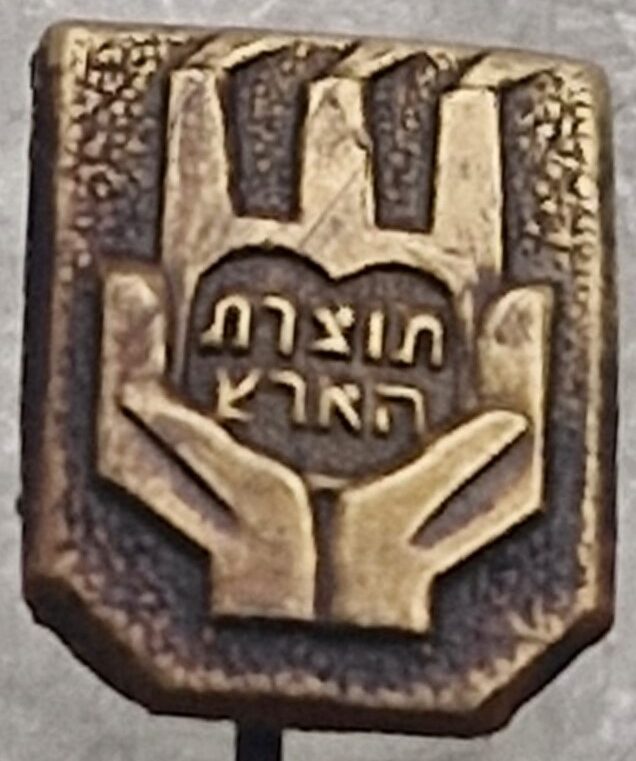
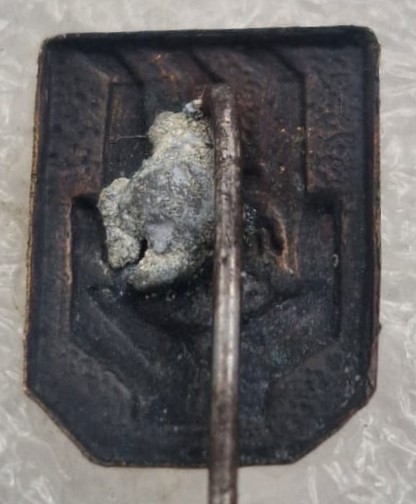
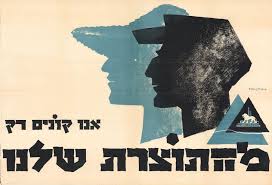
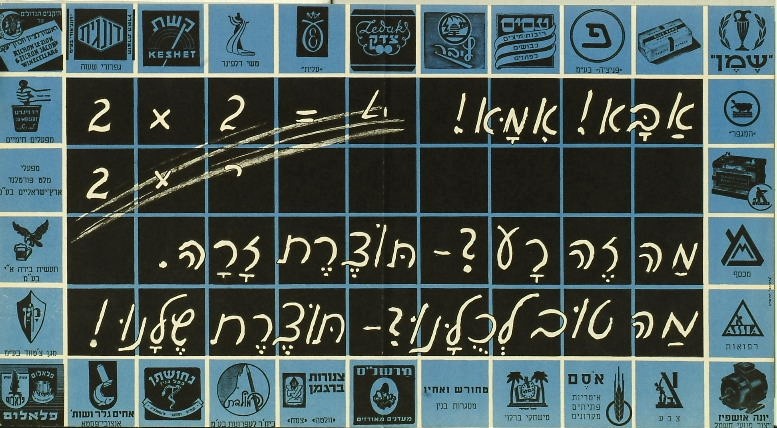
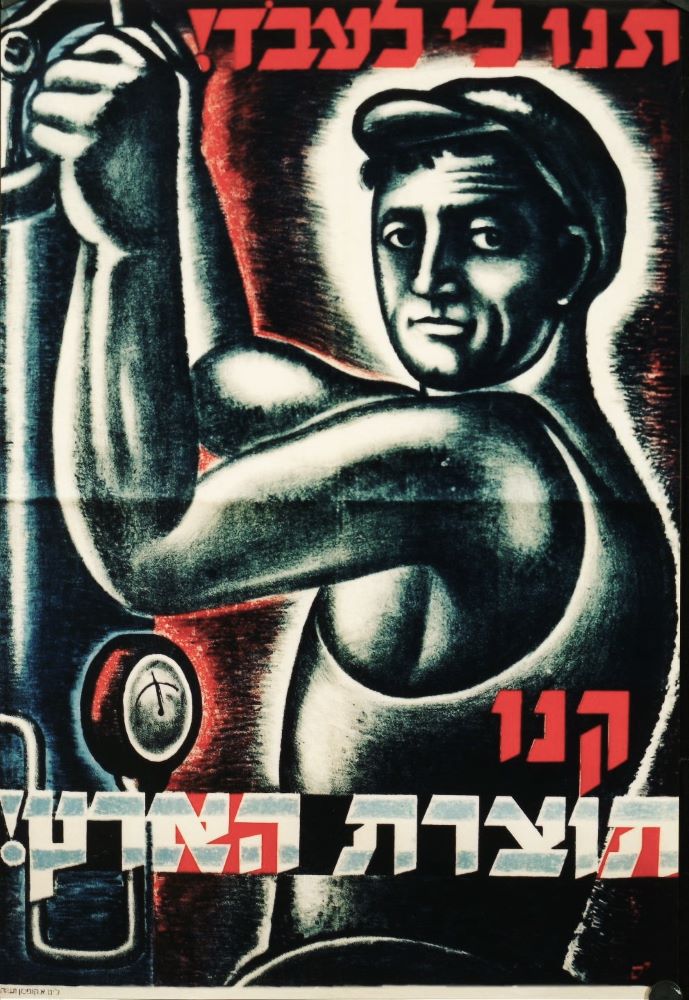
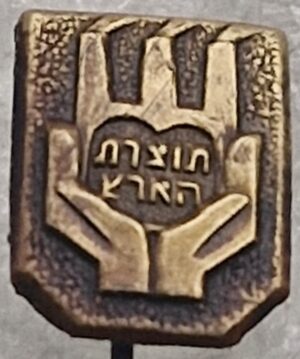
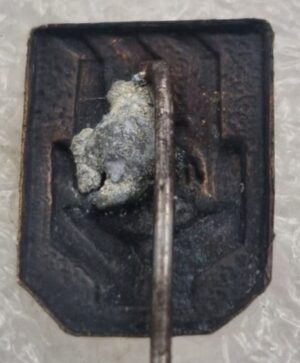
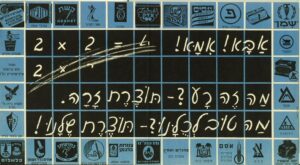
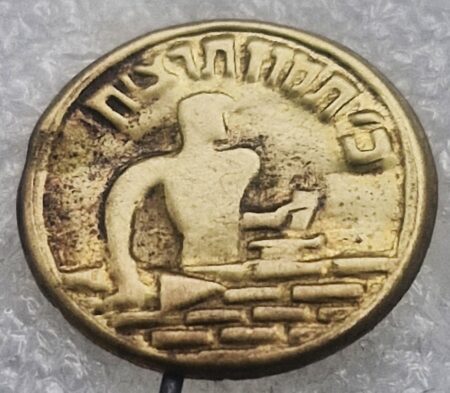
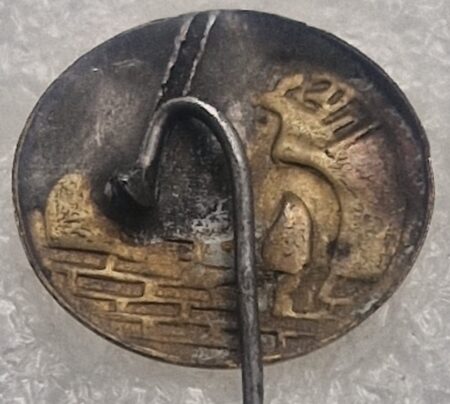
Palestine: “Totzeret Ha’aretz” (Produce of the Land) . Part of the Jewish Community’s drive to encourage purchase of locally-made Jewish produce during the time of the Arab Revolt 1936-1939
$95.00
The events of 1936–1939 (the Great Arab Revolt) constituted a dramatic turning point, leading the Jewish community to strengthen its economic independence under the slogan “Homegrown”. An urgent need arose for substitutes for agricultural produce and Arab products, which led to the development of local industry, the establishment of the Tel Aviv Port as an alternative to the Jaffa Port, and the strengthening of the connection between the Jewish consumer and Hebrew products, while standing firm against attempts to disrupt economic life.
Key influences in the economic sphere and Homegrown Products:
- Import substitution: Due to Arab strikes and boycotts, Jewish factories began to produce products that were not previously produced in Israel, which led to growth in the food, textile, and metal industries.
- Tel Aviv Port: The establishment of the Tel Aviv Port in 1936 was a direct response to the Arab workers’ strike at the Jaffa Port, and became a vital economic lifeline for Jewish imports and exports.
- • “Homegrown Products”: Campaigns were launched to encourage the purchase of Hebrew products, emphasizing that buying local produce was part of the defense of the Yishuv.
- Hebrew Labor: The events accelerated the transition to Hebrew-only labor on Jewish farms and in industry, which led to greater economic independence.
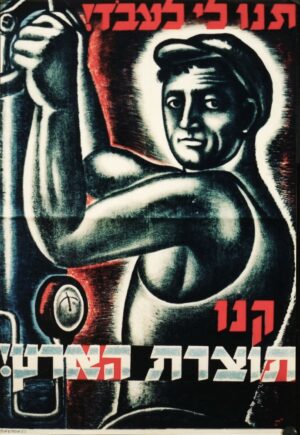
- The struggle to encourage the purchase of locally produced products. Through posters and leaflets, a clear message was spread: local consumption is part of the pursuit of national independence. The campaigns, led mainly by the “Association for Homegrown Products,” combined Zionist ideology with informed economic discourse, and appealed to the general public, especially women, who were perceived as responsible for domestic consumption.
• Israeli products and businesses were marked with a special seal of the association, which confirmed that the products were Hebrew-made and that the businesses were fulfilling their duty to the Hebrew market. Well-known graphic designers who immigrated to Israel in the fifth wave of immigration were recruited for the campaign and designed visual and colorful posters – a real innovation compared to the wordy posters that preceded them. Zionist-nationalist motifs were incorporated into advertising posters for dairy products, cigarettes and beer in the spirit of modernism, alongside short, sharp messages that were intended to resonate in the public consciousness.
Length: 12 cm | Width: 8 cm
Weight: 1 kg




Reviews
There are no reviews yet.