
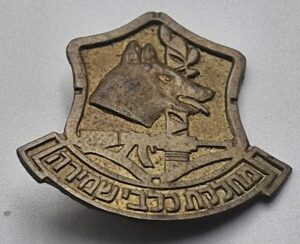
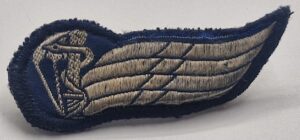
| Weight | 9 kg |
|---|---|
| Dimensions | 68 × 20 cm |


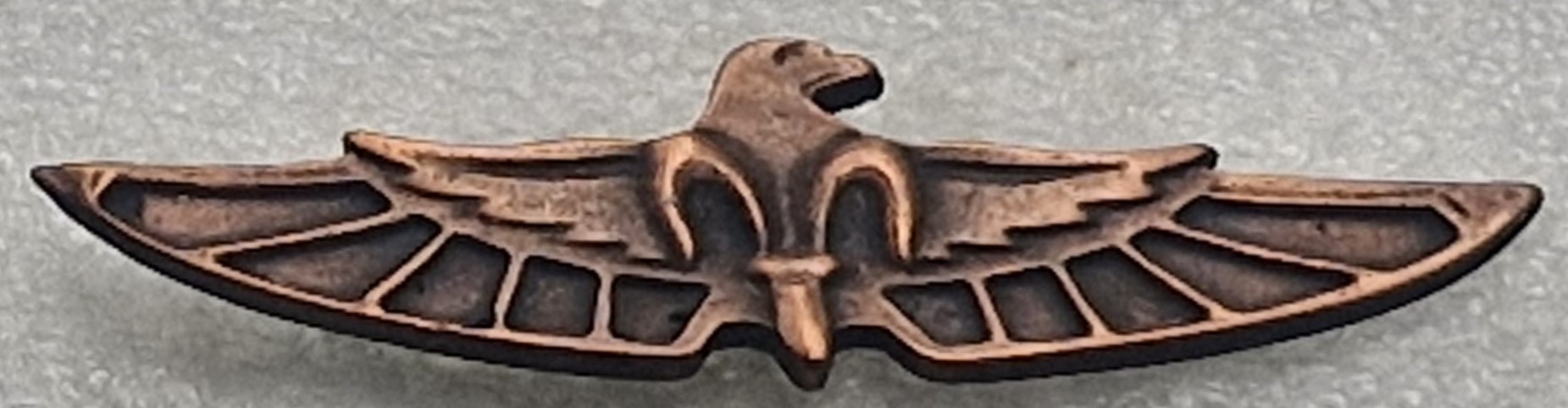
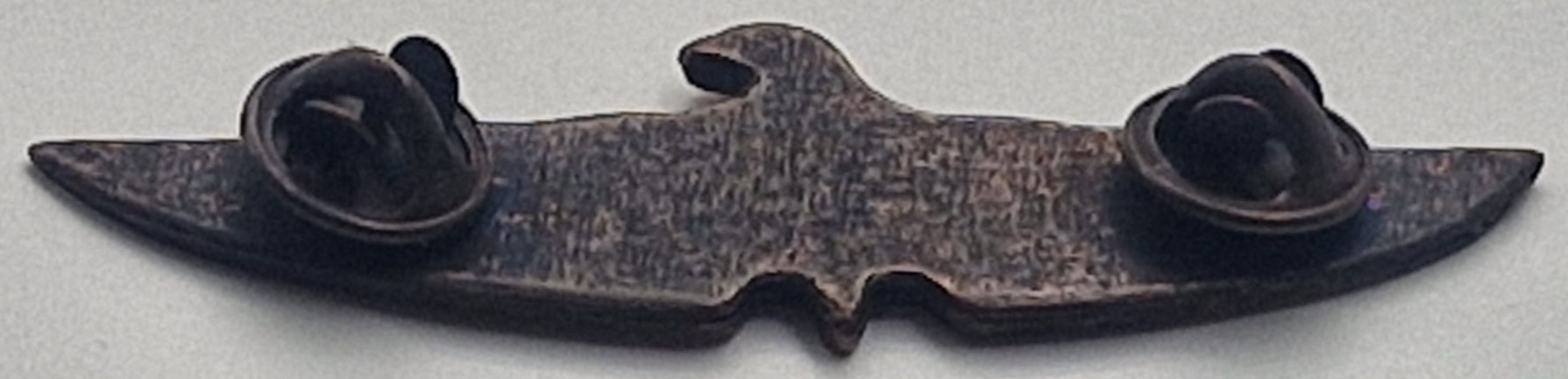
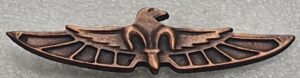
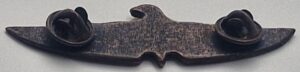
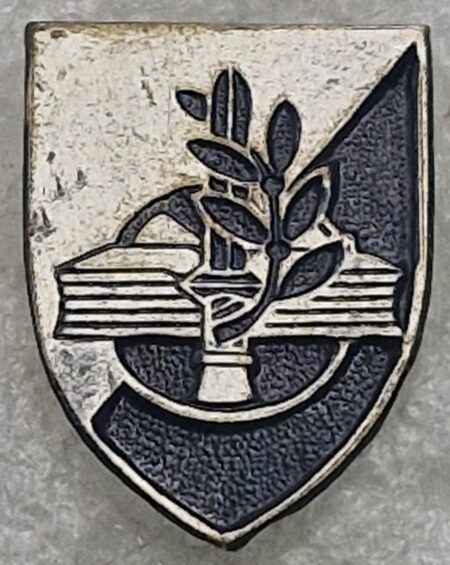
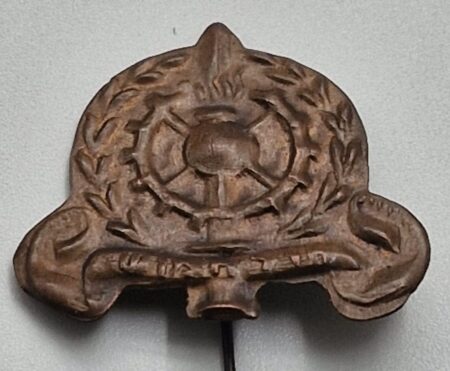
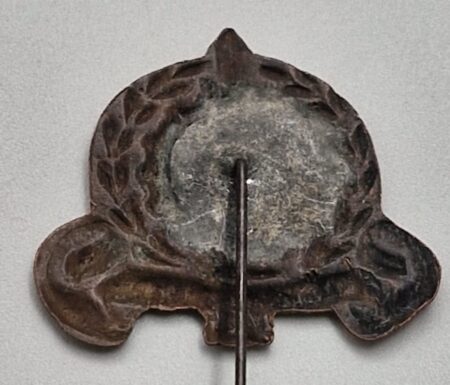
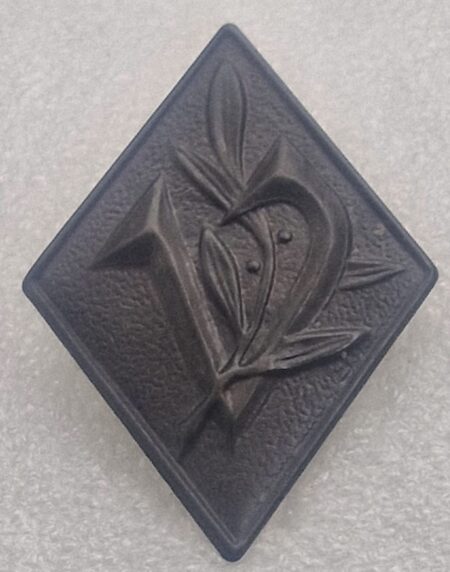
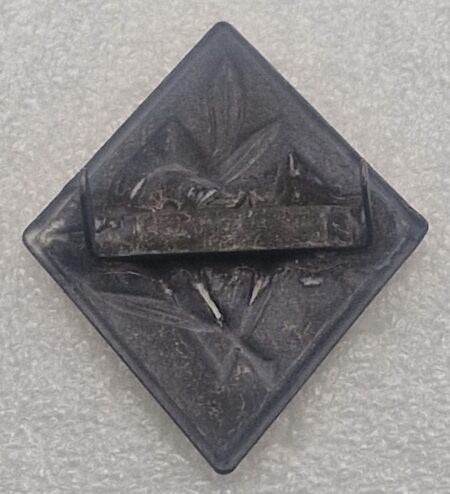
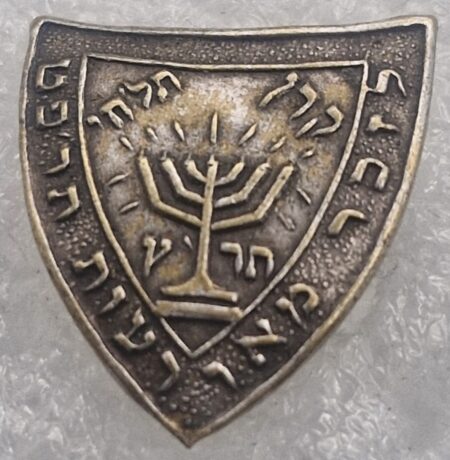
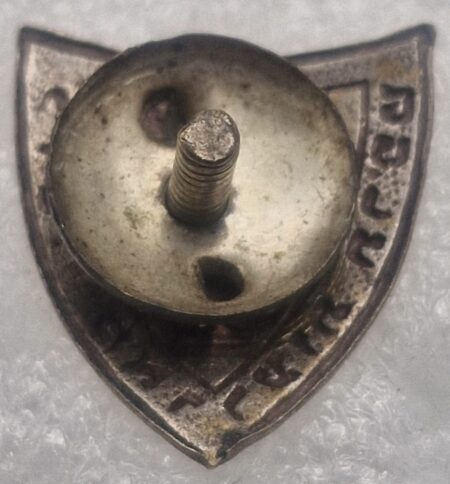
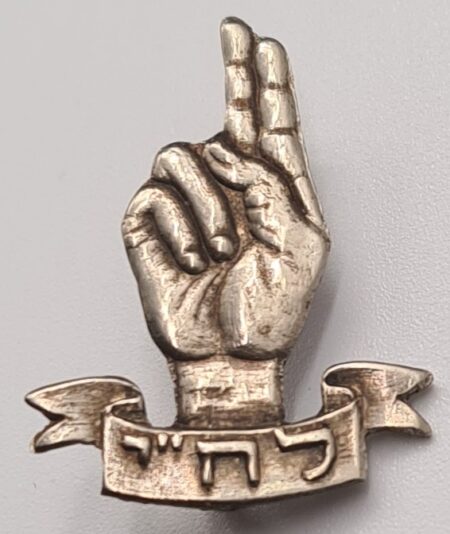
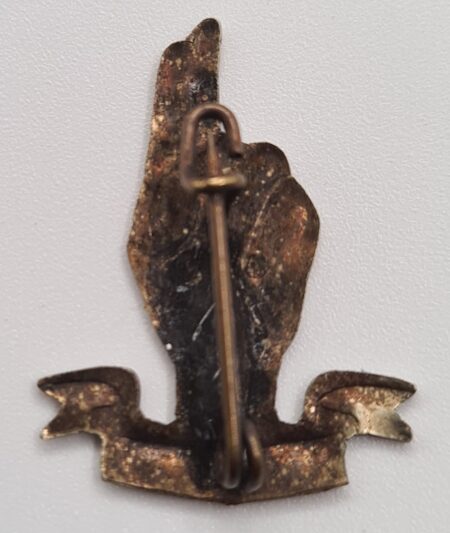
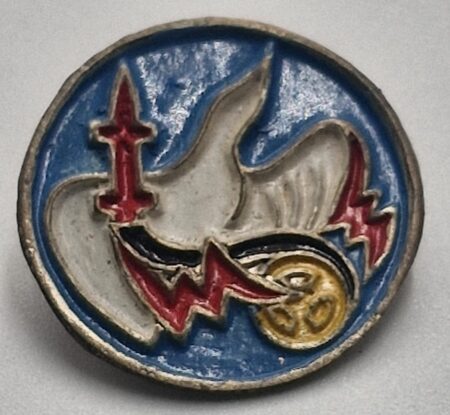
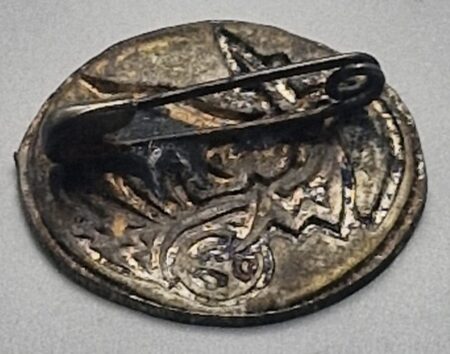
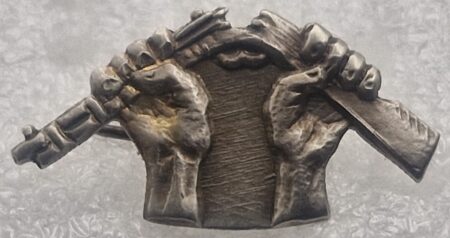
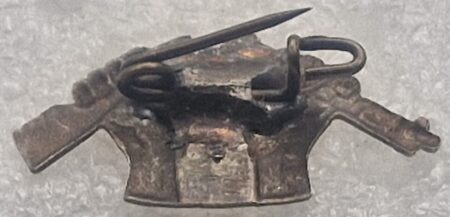
Special Forces Tazam 5707 Special Observation Unit also CSKA Air Ground Marking Team 1974-2003 Fighter Wings Rare Copper Pin to distinguish it from the silver black one that resembles a “Shaldag”
$25.00
Unit 5707 (Special Observations), sometimes known among Air Force and IDF officials as the CSKA (Air Ground Marking Team), was an Air Force unit that dealt with observations and guidance. The unit was subordinate to the Special Air Forces Command (MAKAM) as well as its parent base at the 8th Air Base, and was classified as a special unit in the IDF, although formally it was not a volunteer unit.
History
In July 1974, in light of the lessons of the Yom Kippur War (including Operation Dogman 5), the Air Force Observation and Guidance Unit was established. The establishment order defined the unit’s role as identifying targets of interest to the Air Force, and streaming the information, in real time, to the control center responsible for operating the aircraft. At the beginning of its existence, the unit was a reserve unit, operating in conjunction with similar units of the Military Intelligence Directorate. Most observation activity was carried out from Tel Fares and Mount Nidal, but sometimes also from alternative sites. The unit functioned as the ground arm of the Air Force’s intelligence collection system, and was the main tool for collecting real-time visual intelligence on what was happening along Israel’s northern border. In addition to observation, the unit was also responsible for directing aircraft and helicopters towards the targets it had acquired
The operational experience gained during the unit’s operation in the First Lebanon War led to the unit being reorganized as a regular unit in 1982, with a number of observation posts manned continuously by fighters throughout the year. During that war, the unit took an active part in the successful operations to destroy the Syrian anti-aircraft missile array in the Lebanon Valley. Following the unit’s activities in the First Lebanon War, its importance increased and its many capabilities became known. With the end of the fighting, work also began to establish the “Arazim” post in Lebanon. During 1983, in light of the great interest in the unit, it was decided to establish a radar post at the Hermon outpost. In 1984, an observation post was also established at the “Hezka” outpost in the Golan Heights
The significant change in the nature of the unit occurred in the early 1990s, when the unit began to take an active part in the ongoing fighting against terrorist organizations in Lebanon. In 1994, following a reorganization of the Air Force’s special capabilities, it was decided to provide the unit with new operational capabilities, which were integrated into the offensive capabilities of the Air Force’s aircraft and helicopters. The training course was extended, and the fighters received comprehensive training in combat in various scenarios and in diverse reconnaissance skills. Starting in the mid-1990s, the unit also began to conduct temporary deployments across the border. On December 23, 1994, Sergeant Guy Sudai, a fighter of the unit, was killed during an operation in Lebanon. Sudai is the only casualty in the history of the unit
The unit played a significant role in intelligence gathering activities outside Israel’s borders, as well as in the West Bank and Gaza Strip, where the unit operated primarily to locate, identify and attack terrorists, as well as to arrest and indict wanted individuals.
In the early 2000s, the unit was awarded a certificate by the Chief of Staff in recognition of its operational activities in the various sectors within the framework of Operation “Ebb and Flow” (the Second Intifada).
On August 4, 2003, the unit was closed, as part of a reorganization plan in the Air Force, which included a reduction in the number of squadrons and units in the force….
Length: 68 cm | Width: 20 cm
Weight: 9 kg


Reviews
There are no reviews yet.