| Weight | 4 kg |
|---|---|
| Dimensions | 36 × 24 cm |


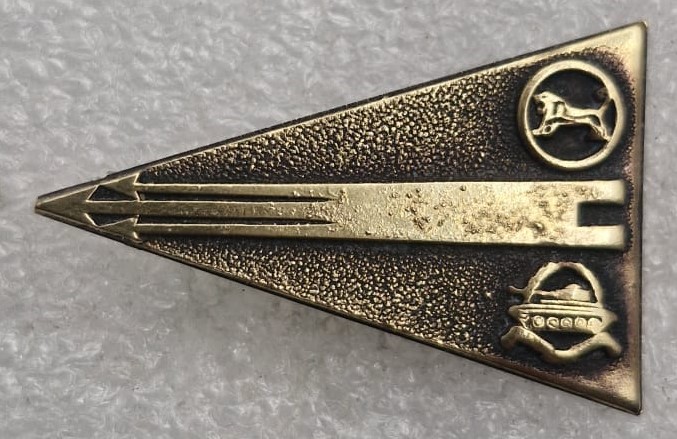
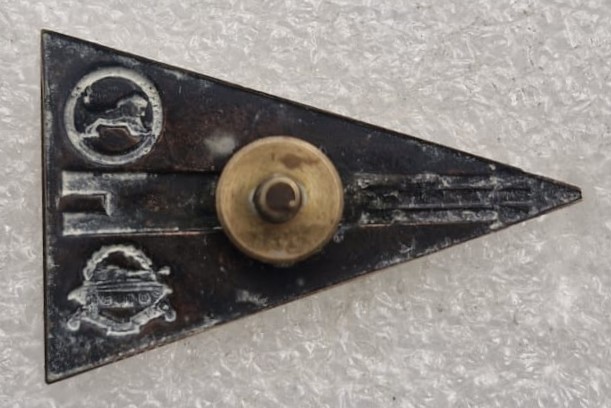
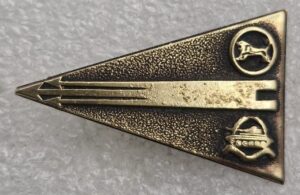
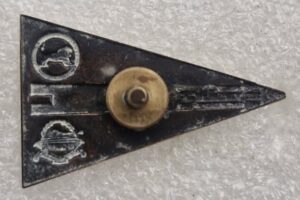
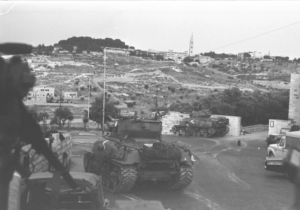
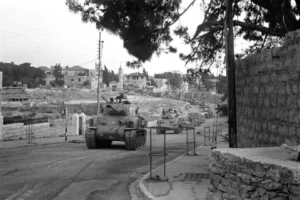
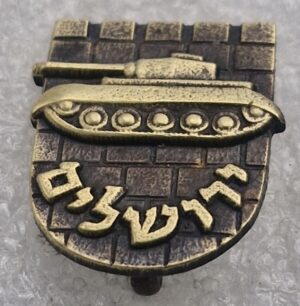
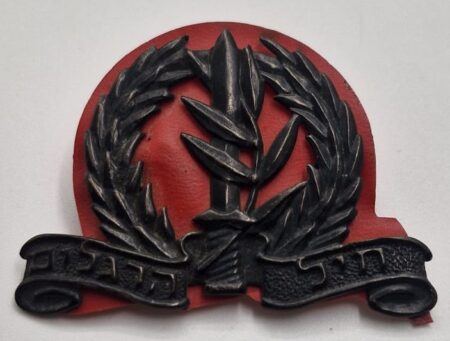
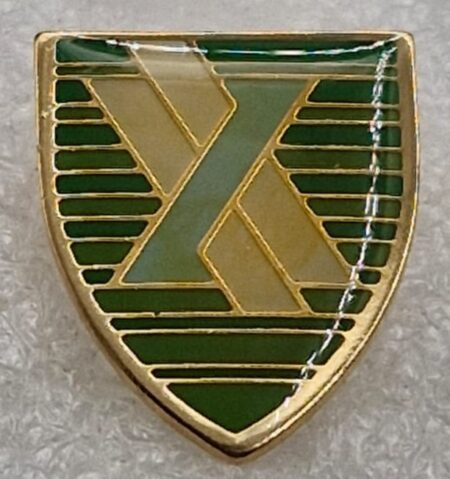
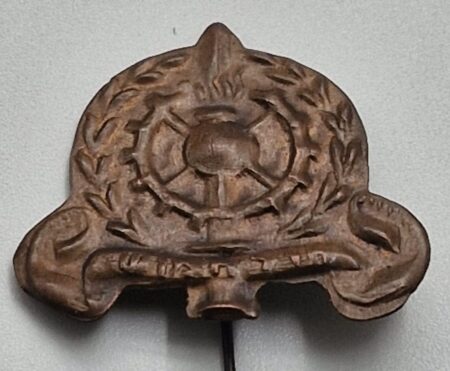
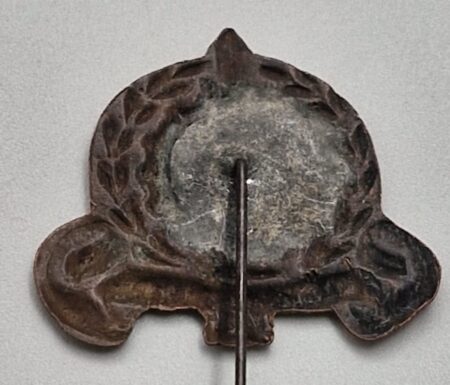
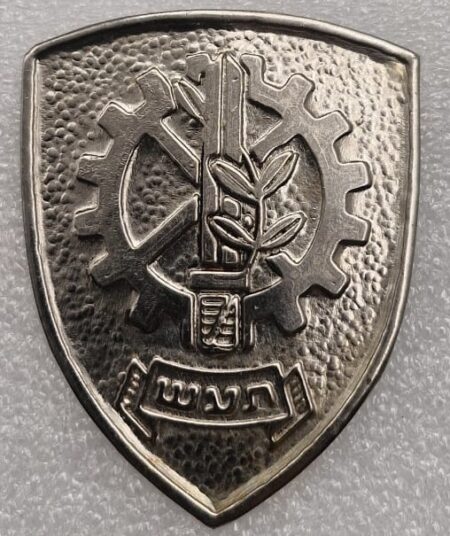
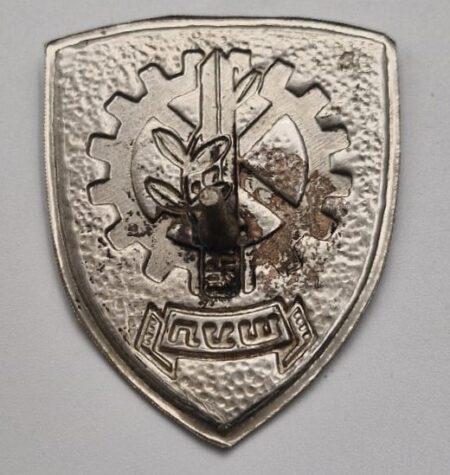
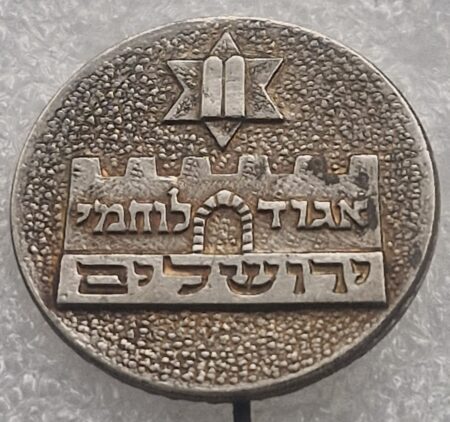
The Secret Armored Company in Jerusalem 1955-1967 182nd Armored Battalion (182nd Command Armored Battalion of the Central Command)
$250.00
The armistice agreement with Jordan at the end of our War of Independence, signed in April 1949 in Rhodes, Greece, prohibited the use of weapons with a diameter of more than 0.5 inches (12.7 mm).
The first company: M10
The company was established in 1955. The company was assigned 14 M10 Wolverine tanks, and it was attached to the Central Command’s armored battalion (182nd Armored Battalion )
Around May 1956, it was decided to bring the tanks to Jerusalem. Due to the ban on bringing heavy weapons into the city, the tanks were disguised in large wooden containers from the Electric Company and loaded onto transporters. UN patrols were delayed on the way to Jerusalem on the grounds that shots had been heard in the Sha’ar Ha-Gai area and that the road was unsafe. Early in the morning, the transporters arrived in Jerusalem and the tanks were stored in barracks inside the Schneller camp.
Tank maintenance routine were carried out at the bus company’s garages
The Second Company: Super Sherman
In 1958, Major General Haim Bar-Lev (then commander of the Armored Corps and later Chief of Staff of the 8th IDF) decided to establish another secret tank company in Jerusalem in order to repel a possible Jordanian attack on the city and perhaps take advantage of an opportunity, if it came, for border repairs and connection with Mount Scopus, the Western Wall, and more. During the Six-Day War, the company fulfilled its mission. The secret tank company in Jerusalem was part of the 182nd Command Armored Battalion of the Central Command under the command of the 16th Jerusalem District Brigade.
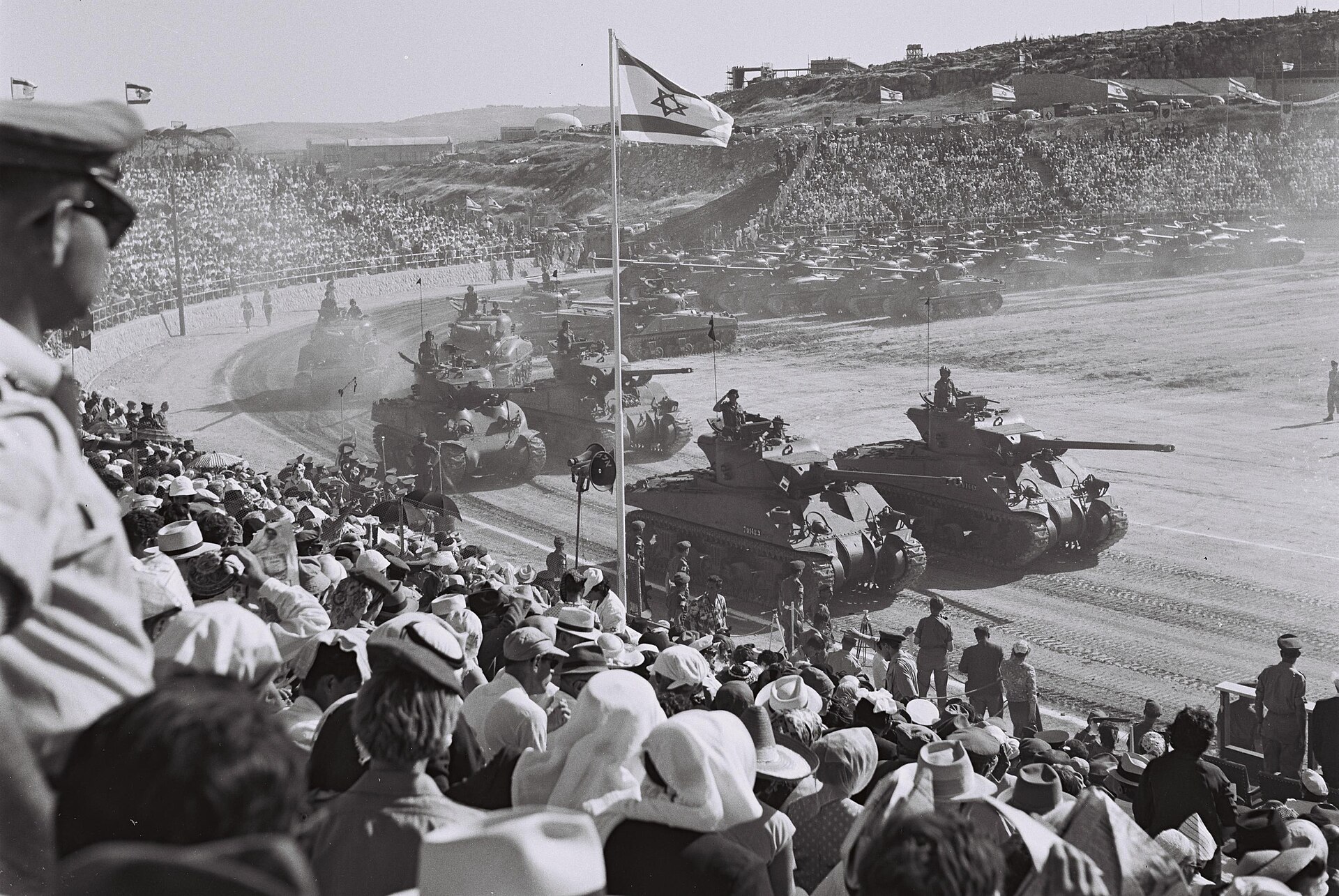
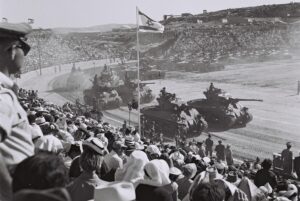
The company’s story began with the celebrations of the tenth anniversary of the state in 1958. Israel then asked Jordan, through the UN force, to hold a military parade in Jerusalem, and among other things demanded that it be allowed to raise a tank battalion including Sherman M-50 and Sherman M-1 tanks so that they could participate in the parade, along with a promise that the tanks would return the day after the ceremony. to the center of Israel.
The Jordanians strongly opposed, but after persuasion through dedicated mediation by UN officers, it was agreed that the parade would take place at the Hebrew University Stadium in Givat Ram, and that the UN forces in Jerusalem would ensure that all prohibited weapons, especially tanks, would leave Jerusalem immediately after the parade. At the end of the parade, the IDF took down only three companies from the mountain, while the fourth company was split into two, several tanks were hidden in pavilions prepared in advance at Camp Schneller in the heart of Jerusalem, and the remaining tanks were brought in a secret and complex operation to Camp Stef, between Ein Kerem and Kibbutz Tsova. The operation to keep the tank company in Jerusalem was carried out very wisely. During the evacuation of the three companies, the UN personnel were invited to an Independence Day ball, which the IDF held in their honor at one of the nightclubs in Jaffa. While they were celebrating in Jaffa with plenty of alcohol, the fourth tank company was stationed in Jerusalem.
The secret tank company had 18 tanks, 14 of which were Sherman M-1E-4s with a 76.2 mm cannon and four Sherman M-51s with a French 105 mm cannon. 6 of them, which were equipped, fueled, armed and ready to go out immediately for any mission, were hidden in the Schneller camp in Jerusalem, in pavilions that looked like ordinary buildings, with a door with windows in the front, but in their rear part the wall had been demolished and large iron and tin doors had been installed on it, which allowed a tank to go in and out. The rest of the tanks were stored in the company headquarters in the Stef camp in a regular tank shed. “The company’s main mission was to intervene quickly in the event of an attack on the regular convoy that went up every two weeks to the Mount Scopus enclave. The tanks in the Schneller camp were fueled and ready for immediate movement. During the 1960s, the tanks were put on alert many times, especially when there was a fear of an attack on the convoy to Mount Scopus.
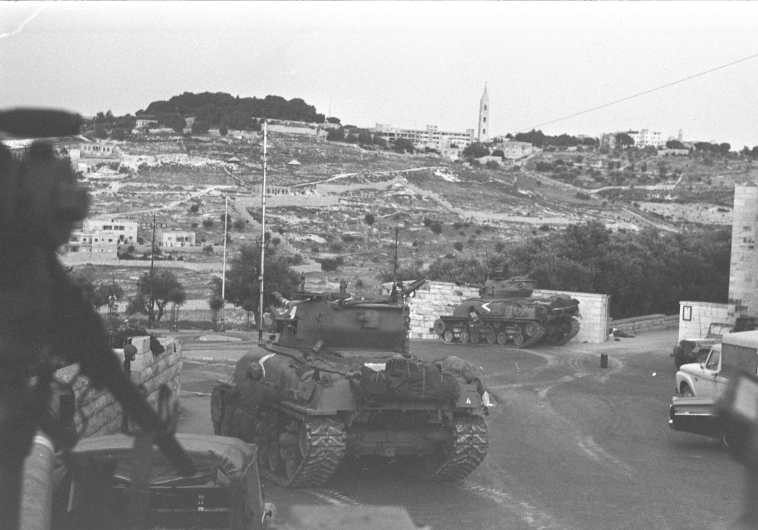
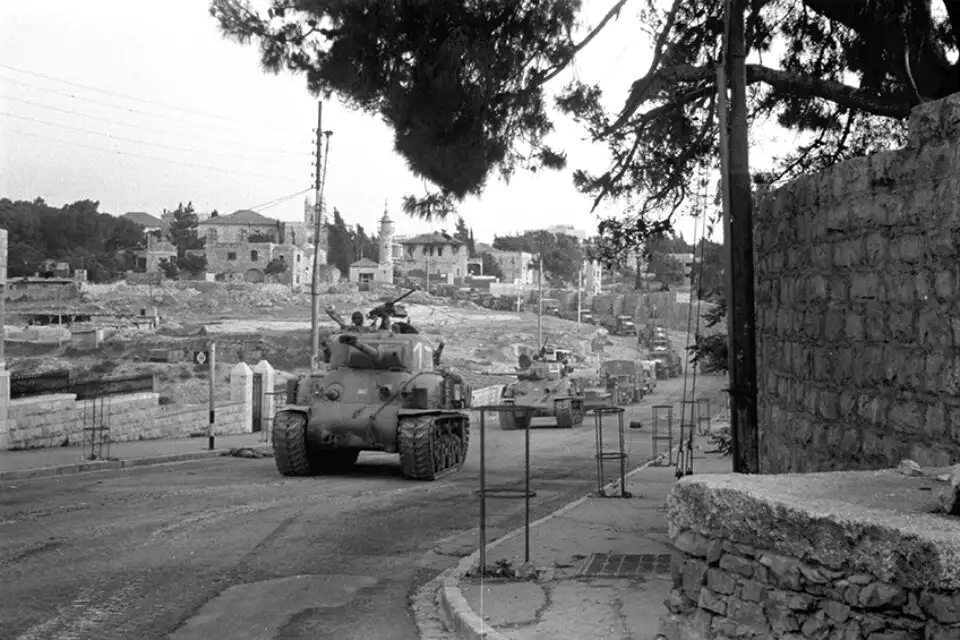
. The tank commanders conducted many patrols along the city line to study and familiarize themselves with the city’s traffic routes and the designated tank positions.
In May 1967, at Camp Schneller, four Sherman tanks with 76 mm cannons were replaced with Sherman M-51 tanks with 105 mm cannons and their crews, which were brought from the 60th Brigade, so that the company consisted of 18 tanks.
On June 3, Chief of Staff Yitzhak Rabin visited the company and inspected the company’s readiness.
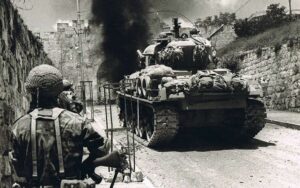
On the morning of June 5, 1967, with the beginning of the war, in the first hours of fighting in Jerusalem, the company commander’s force broke into Armon Hanatziv, together with a force from the Jerusalem Patrol and an infantry company from Battalion 161 (belonging to the Jerusalem Brigade). The force destroyed three Jordanian tank destroyers and recaptured the Armon Hanatziv area, which the Jordanians had captured in the morning.
The company’s deputy commander, Rafi Yeshaya, with a force that included 10 tanks, passed under the command of the 55th Paratrooper Brigade.
At 5:00 AM, two tanks were sent to assist the paratroopers who had suffered heavy casualties on Ammunition Hill. With the appearance of the tanks, the Jordanian force defending the place withdrew and the battle for Ammunition Hill ended.
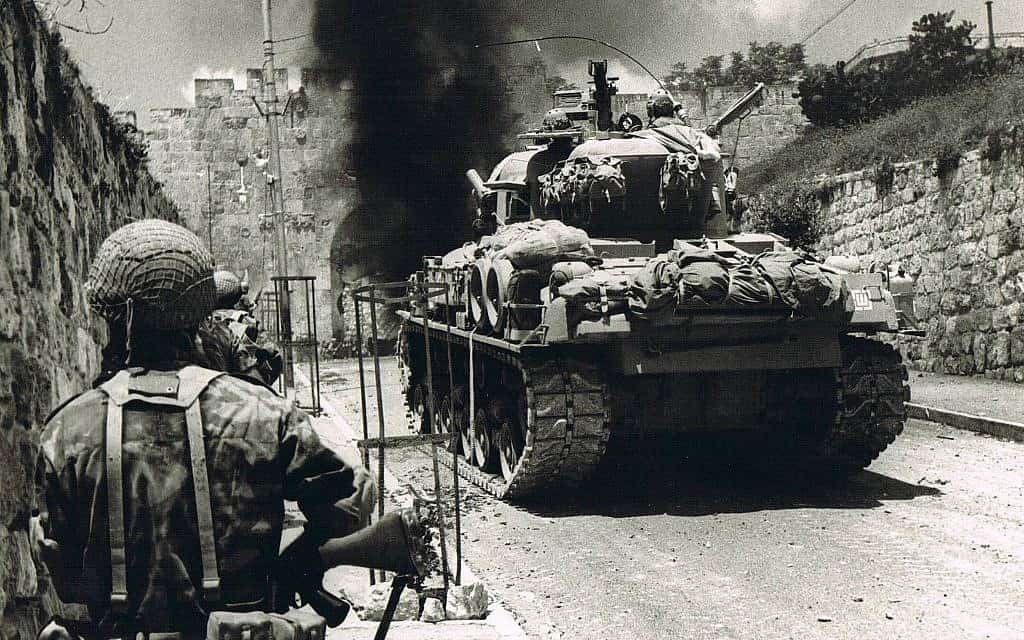
The tanks and paratroopers returned to the Lions Gate. One of the tanks of the Jerusalem company fired several shells towards the Jordanian positions at the Lions Gate, breaching it, and immediately afterwards the paratroopers passed through the gate on their way to conquer the Old City.
Although the secret tank company’s role in the battle for Jerusalem was kept secret over the years, the company played an important role in the battles to liberate the city. In an internal document written by the commander of the paratrooper brigade, Mota Gur, he praised the company’s actions:
“The fighting inside the built-up area without the tanks was very severe, and the tankers, as soon as they entered, wherever they entered, completely changed the picture…
In the clearing of the city itself, the tanks’ cover for the breakthrough was excellent. Our guys have no words to express their appreciation for the tankers and tank commanders who sat at this stage, all the time, including lashing, with their heads out, half their bodies out, and provided exceptional assistance while observing.” Many years after the war, during meetings with Jordanian officers after the peace agreement between Israel and Jordan, the Jordanian officers who fought in Jerusalem said that the appearance of the tanks at such an early stage of the fighting surprised them, and in the battle for Ammunition Hill it was the tanks that joined the battle that led to the Jordanian retreat.
Length: 36 cm | Width: 24 cm
Weight: 4 kg


Reviews
There are no reviews yet.